Character.
- Medium to full-bodied with lower acidity than Pinot Grigio
- Flavors of pear, honey, ginger, and stone fruit
- Greyish-pink skinned grape producing deeply colored whites
- Often off-dry with a rich, oily texture
The Two Faces of One Grape
Pinot Gris is the French and Alsatian name for a grape that Italians call Pinot Grigio. Genetically they are the same variety: a greyish-pink mutation of Pinot Noir that can make white, copper-tinged, or even lightly coloured wines depending on winemaking. The difference is not the vine but the cultural recipe. Italian Pinot Grigio is usually picked early, fermented cool, and bottled young for a lean, zesty profile. Pinot Gris, especially from Alsace, is often riper, more textural, and more aromatic, with winemakers happy to embrace body, spice, and sometimes a touch of residual sugar. If you already know the light, seaside style, this guide is about the richer side of the coin. For the Italian take, see our Pinot Grigio guide.
Tasting Pinot Gris
Classic Flavours
In the glass, Pinot Gris tends toward ripe pear, honey, and ginger, with stone fruit such as apricot and peach when the fruit is fully mature. Smoke, beeswax, and dried fruit can appear with age or in concentrated examples. Skin contact or oxidative handling can deepen colour and add nutty, spicy complexity without turning the wine into an orange wine.
On the Palate
Expect medium to full body more often than not, with noticeably lower acidity than typical Italian Pinot Grigio. The mouthfeel is often described as rich or oily, which carries flavour well and suits food. Many Alsatian bottlings are technically dry but taste softly off-dry because of alcohol, fruit weight, and a gram or two of sugar left to balance acidity. Oregon and New Zealand examples often sit between the two poles: rounder than Italy, yet fresher than the most opulent Alsace wines.
World Regions
Alsace, France
Alsace is the spiritual home of serious Pinot Gris. Here the variety is one of the four noble grapes and can produce wines of real depth: layered stone fruit, smoke, and honey, sometimes with impressive ageing potential. Late-harvest styles labelled Vendange Tardive (and the even richer Sélection de Grains Nobles) push concentration and sweetness for special occasions.
Oregon, USA
The Willamette Valley and wider Oregon have made Pinot Gris a calling card. Wines are generally richer and more aromatic than mass-market Italian Pinot Grigio, yet often retain brighter acidity and a cleaner line than the weightiest Alsace bottlings. They are approachable young and pair easily with Pacific Northwest cuisine.
New Zealand
New Zealand is a smaller but growing source. Producers in cooler pockets craft Pinot Gris with ripe fruit, moderate body, and a freshness that appeals to drinkers who want texture without heaviness. Quality varies with site and yield, so exploring regional labels is worthwhile.
Food Pairings
Pinot Gris’s body and gentle sweetness (real or perceived) make it a natural partner for rich poultry, roast pork, and creamy sauces. It shines with aromatic Asian dishes: Thai curries, Vietnamese herbs, and lightly spiced stir-fries. Soft, washed-rind cheeses and the Alsace tradition of foie gras both match the wine’s unctuous texture and honeyed notes.
Learn More with Sommo
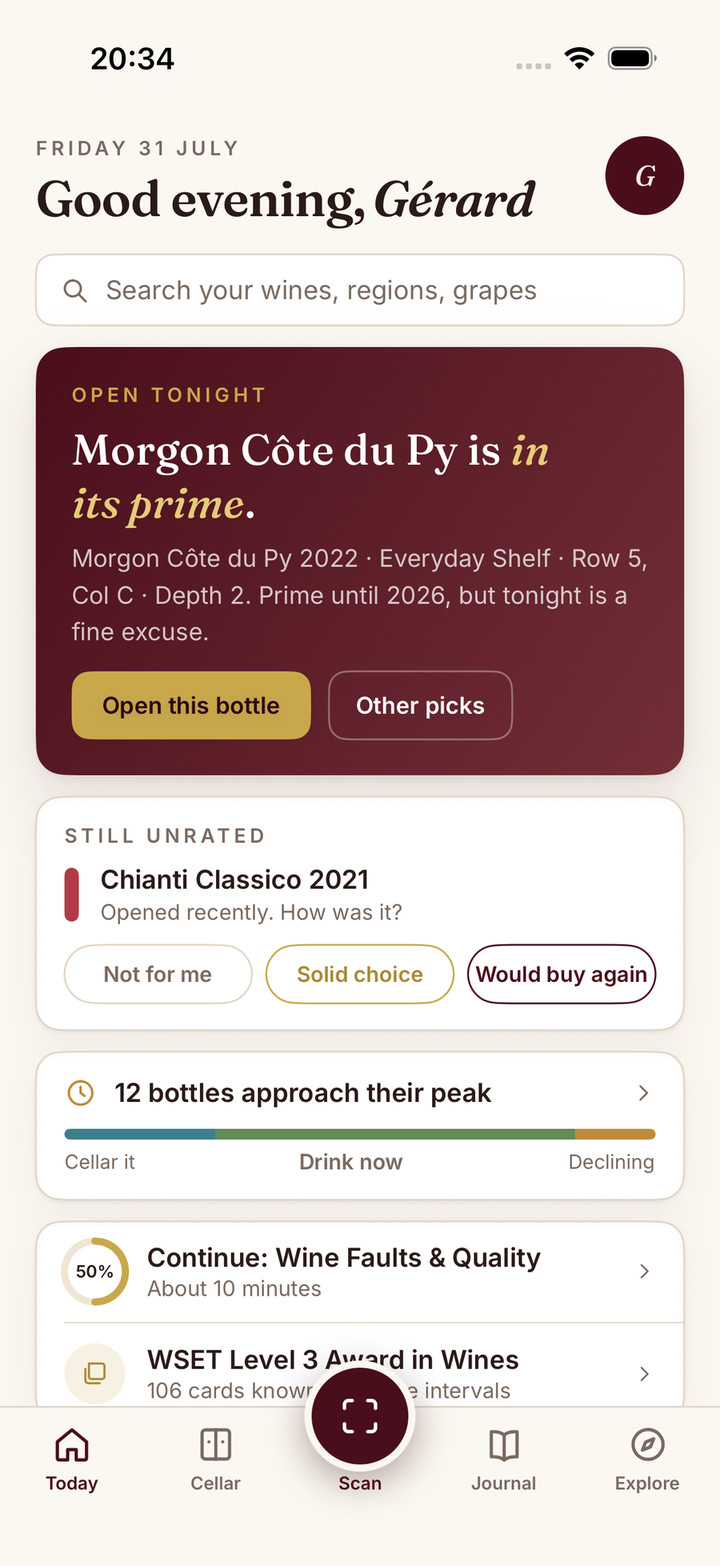
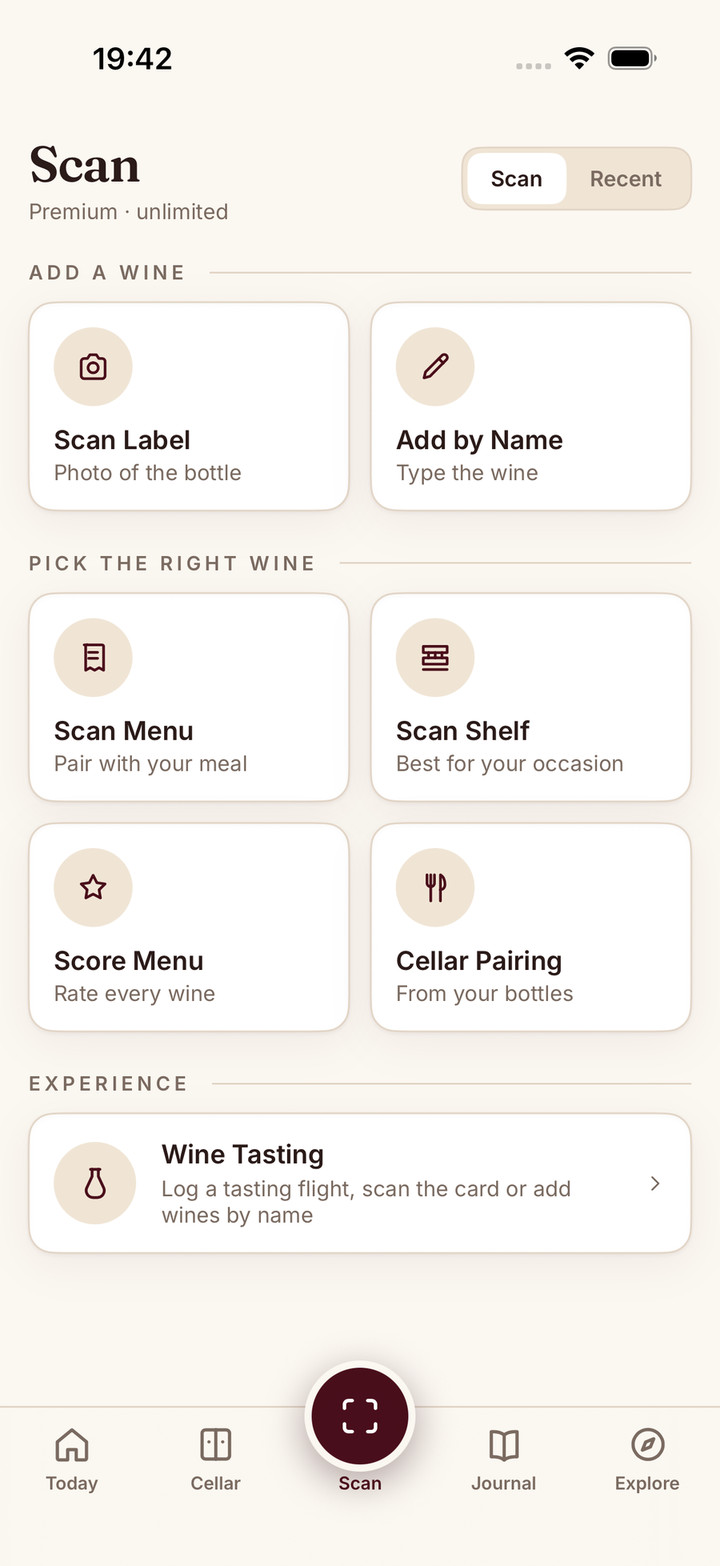
Download Sommo to scan labels, compare styles, and build your palate around aromatic whites. Whether you are choosing between a crisp Pinot Grigio and a plush Pinot Gris, the app helps you decode the bottle and remember what you loved.