Nerello Mascalese Wine Guide
Discover Nerello Mascalese, Sicily's elegant volcanic red grape from Mount Etna. Learn about its Pinot Noir-like finesse, volcanic terroir, and rising global reputation.
Characteristics
- Medium-bodied with high acidity and fine tannins
- Red cherry, blood orange, dried herbs, and volcanic mineral
- Pale ruby colour with remarkable transparency
- Ages beautifully, developing earthy complexity
Key Regions
Food Pairings
- Grilled swordfish
- Pasta alla Norma
- Roasted rabbit
- Tuna with capers and olives
Serving Temperature
55-60°F (13-16°C)
The Burgundy of the Mediterranean
Nerello Mascalese is often likened to Pinot Noir: pale ruby colour, high acidity, fine tannins, and a transparent sense of place. The comparison is imperfect, yet it captures the wine’s mood — perfumed, nervy, and more about elegance than extraction. The variety’s stage is Mount Etna on the island of Sicily, where vineyards climb volcanic slopes and some of Italy’s most talked-about reds are now made. What was once a regional curiosity has become a benchmark for volcanic finesse and age-worthy structure in the Mediterranean.
Tasting Nerello Mascalese
Classic Flavours
In the glass, expect red cherry, wild strawberry, and blood orange, layered with dried herbs, rose petal, and a distinct crushed-stone or volcanic mineral note that reads as smoky, salty, or almost iron-like in the best sites. Oak, when used, tends to be discreet; the grape’s fragrance and terroir drive the conversation.
On the Palate
Nerello Mascalese is typically medium-bodied, with ringing acidity and tannins that feel fine-grained rather than chunky. The finish is often savoury — herbal, saline, or earthy — and the overall impression is one of transparency: you taste the vintage, the altitude, and the lava-derived soils more than winemaking tricks. Top examples unwind over years, gaining depth without losing freshness.
Etna: The Terroir
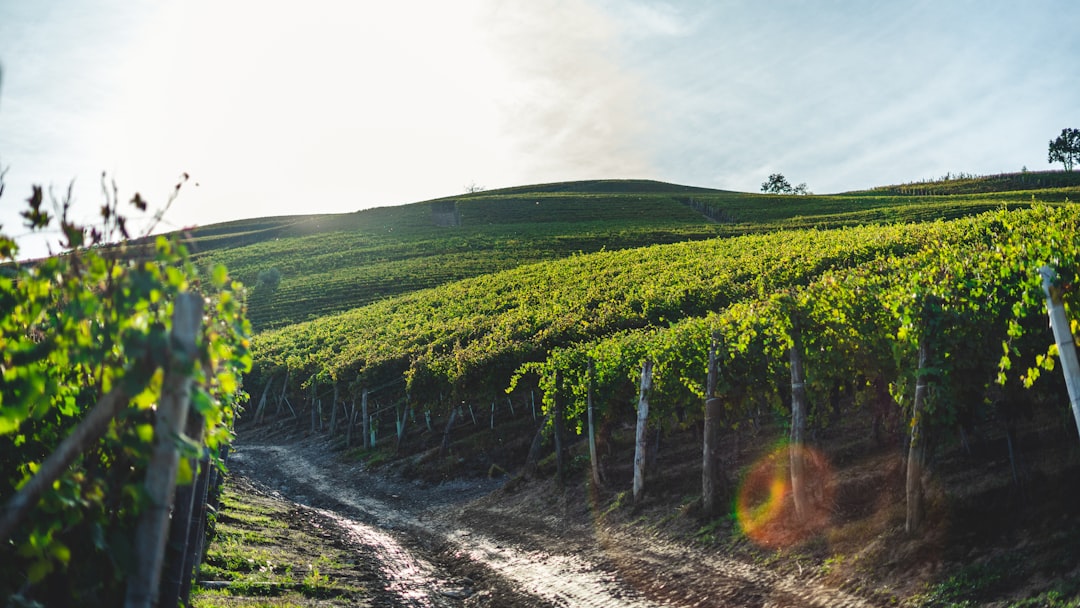
Mount Etna’s vineyards sit on a patchwork of volcanic soils: ash, pumice, and ancient lava flows that drain quickly and stress vines just enough. Altitude — often roughly 400 to 1,000 metres — cools nights and lengthens ripening, so a hot island can produce wines that feel almost cool-climate in spirit. Individual contrade (single-vineyard crus) express subtle differences in elevation, aspect, and lava type. Many parcels hold old, often pre-phylloxera vines on their own roots, adding concentration and complexity. The combination of volcano, height, and age is what makes Etna Rosso unmistakable.
Key Wines
Etna Rosso DOC is the flagship category: Nerello Mascalese dominates, sometimes with a small addition of Nerello Cappuccio for colour and roundness. Quality spans everyday bottles to contrada-specific wines that collectors chase worldwide. Names to explore include Benanti, Passopisciaro, Graci, Girolamo Russo, and Tenuta delle Terre Nere — each illustrating a facet of Etna’s volcanic voice.
Food Pairings
The wine’s acidity and savoury edge suit Sicilian and coastal cooking: grilled swordfish with salmoriglio, pasta alla Norma, roasted rabbit with herbs, light game, and tuna with capers and olives. Avoid only the heaviest, sweetest sauces; Nerello shines where the food has brightness, umami, or a touch of smoke from the grill.
Learn More with Sommo
Download Sommo to scan labels, explore Sicily and volcanic reds, and keep tasting notes that stick. When you find an Etna Rosso you love, Sommo helps you remember the producer, the vintage, and what to try next.
Get to know this grape better
Scan wines, build tasting notes, and learn what makes every grape unique.
This grape features in the WSET Level 3 Cheat Sheet. Studying for your exam? Try the free Level 3 mock exam.