Nebbiolo Wine Guide
Explore Nebbiolo, Italy's most noble grape. Learn about Barolo, Barbaresco, and why this Piedmontese variety produces the world's most age-worthy wines.
Characteristics
- Light color but full-bodied with powerful tannins
- Flavors of cherry, rose, tar, and truffle
- High acidity and firm structure
- Exceptional aging potential of 20-50 years
Key Regions
Food Pairings
- Truffle risotto
- Braised beef and veal
- Wild game (venison, wild boar)
- Aged Parmigiano-Reggiano
Serving Temperature
60-65°F (16-18°C)
Piedmont’s Crown Jewel
Nebbiolo is Italy’s most revered red grape, producing wines of extraordinary complexity, longevity, and haunting beauty. Named for the fog (nebbia) that blankets Piedmont’s hills during harvest, this late-ripening variety creates wines that challenge and reward patient collectors with decades of evolution.
Tasting Nebbiolo
Classic Flavors
- Fruit: Sour cherry, raspberry, rose hip, dried strawberry
- Secondary: Rose petals, tar, violets, anise
- With age: Truffle, leather, forest floor, dried herbs, tobacco
On the Palate
Light to medium color (deceptively so) with powerful tannins and high acidity. Full-bodied yet ethereal. Typically 13.5-14.5% alcohol. Young Nebbiolo can be bracingly tannic; aged bottles reveal silky elegance.
World Regions
Barolo, Piedmont
The “King of Wines” requires a minimum of three years aging before release, with Riserva aged five years. These powerful wines need a decade or more to fully open, revealing extraordinary complexity.
Barbaresco, Piedmont
Often called Barolo’s “Queen,” Barbaresco produces slightly earlier-drinking wines with similar elegance but often more approachable tannins. Minimum two years aging required.
Langhe and Roero, Piedmont
These appellations produce more accessible Nebbiolo labeled as “Langhe Nebbiolo,” offering earlier-drinking wines that introduce the grape’s character at gentler price points.
Food Pairings
Nebbiolo’s high tannins and acidity demand rich, fatty foods:
- Truffle risotto
- Braised beef and veal
- Wild game (venison, wild boar)
- Aged Parmigiano-Reggiano
The Decanting Debate
Young Nebbiolo benefits from extended decanting (2-4 hours) to soften tannins and allow aromatics to develop. Aged bottles should be decanted carefully just before serving to separate any sediment.
Understanding the Vineyard
Piedmont’s finest Nebbiolos come from specific vineyard sites (crus) like Cannubi, Brunate, and Monfortino in Barolo, or Rabaja and Asili in Barbaresco. Learning these names helps identify top producers and styles.
Learn More with Sommo
Use the Sommo app to explore Nebbiolo wines, track your cellar inventory, and learn when your bottles will reach their drinking window.
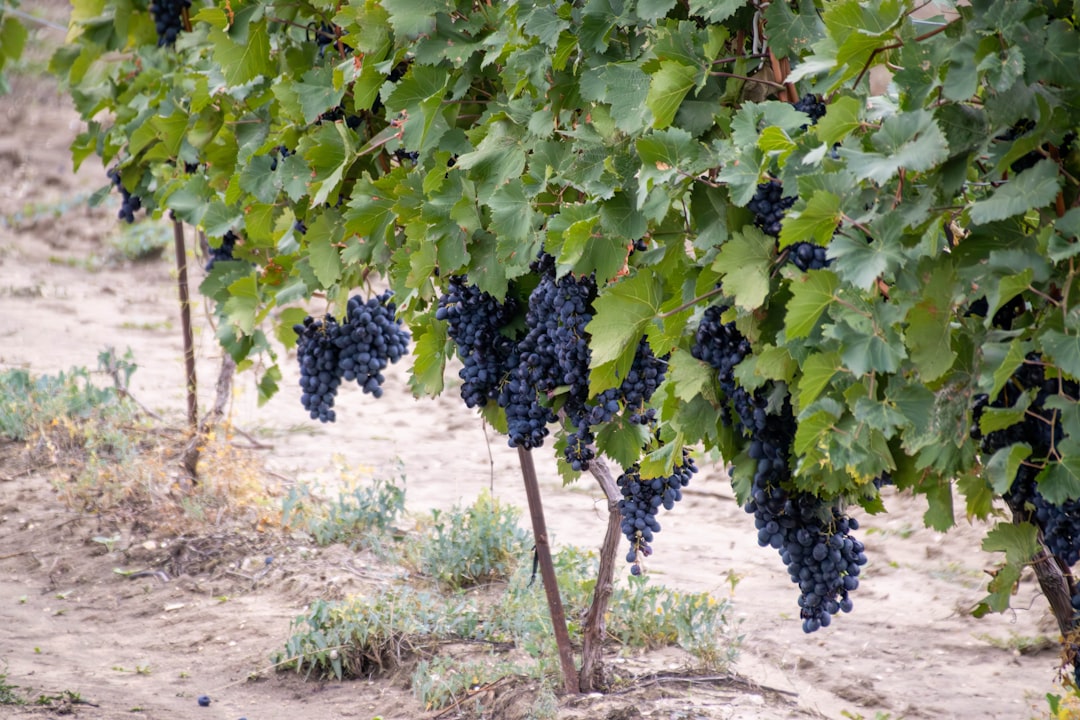
Photo by Georgii Eletskikh on Unsplash