Character.
- Intensely aromatic with a grapey, floral character
- Flavors of orange blossom, peach, rose water, and musk
- Styles range from bone-dry to lusciously sweet
- Available as still, sparkling, and fortified wines
The Original Wine Grape
Muscat is not one grape but an ancient family of varieties, likely among the first ever cultivated for winemaking. Archaeological and DNA evidence suggests the Muscat family dates back at least 4,000 years, with origins in the eastern Mediterranean and modern-day Iran. What unites them all is an unmistakable grapey aroma. Muscat is the rare wine grape that actually smells like fresh grapes. From feather-light Moscato d’Asti to fortified Muscat de Beaumes-de-Venise, this family produces an astonishing range of styles.
The most important members of the family are Muscat Blanc à Petits Grains (the most refined and historically significant variant), Muscat of Alexandria (more widely planted but generally lower-quality), and Muscat Ottonel (a milder, lower-aromatic version popular in Alsace and Central Europe). When a label simply says “Muscat” or “Moscato,” it almost always refers to Muscat Blanc à Petits Grains in serious bottlings.
Tasting Muscat
Classic Flavours
- Fruit: Orange blossom, fresh grape, peach, apricot, lychee
- Secondary: Rose water, musk, honey, lime zest, mandarin peel
- With age (fortified styles): Toffee, raisin, dried apricot, marmalade, walnut
On the Palate
The character varies dramatically by style.
- Dry Muscat from Alsace: Light, elegantly perfumed, fully dry. Around 12 to 13 percent alcohol. The aromatics give the impression of sweetness, but the wine is bone-dry.
- Moscato d’Asti: Gently fizzy (frizzante), low in alcohol (5 to 6 percent), lightly sweet. Designed for immediate enjoyment.
- Asti Spumante: Fully sparkling, sweeter than Moscato d’Asti, often used for celebrations and dessert.
- Fortified Muscat (Beaumes-de-Venise, Rutherglen, Setubal): Rich, unctuous, concentrated, with significant residual sugar and alcohol levels of 15 to 18 percent.
For broader context on the family, see our beginner’s guide to sweet wines and the Moscato wine guide.
World Regions
Alsace, France
Muscat d’Alsace is made primarily from Muscat Ottonel and Muscat Blanc à Petits Grains. The style is dry, delicately perfumed, and makes one of the great aperitif wines. Drink with asparagus (a famously difficult food-pairing challenge that dry Muscat handles brilliantly), light starters, and goat cheese. Producers to know: Trimbach, Domaine Weinbach, Zind-Humbrecht.
Piedmont, Italy
Moscato d’Asti and Asti Spumante are sweet, gently sparkling wines beloved for their low alcohol, fresh grape flavours, and crowd-pleasing charm. Made from Muscat Blanc à Petits Grains (locally called Moscato Bianco) in the hills around Asti and Alba. Producers to know: Vietti, Bera, Marco Negri, Giuseppe Rinaldi.
For an in-depth look at the region, see our top 10 Italian wine regions beyond Tuscany post.
Southern France
Muscat de Beaumes-de-Venise in the southern Rhône, Muscat de Rivesaltes in Roussillon, and Muscat de Frontignan in Languedoc all produce vins doux naturels (fortified sweet wines). Honeyed, concentrated, perfect with blue cheese or fruit-based desserts.
Australia
Rutherglen Muscat (Australia’s iconic fortified Muscat) is one of the world’s great dessert wines. Aged in solera systems for decades, the wines develop extraordinary toffee, raisin, and walnut complexity. Producers to know: Chambers Rosewood, Stanton & Killeen, Morris of Rutherglen.
Spain and Portugal
Moscatel de Setúbal (Portugal) and Moscatel de Alejandría from Málaga (Spain) produce serious fortified Muscats with concentration and ageing potential. Often overlooked internationally, these are among the best-value fortified wines in the world.
Food Pairings
Muscat’s aromatic sweetness and range of styles make it remarkably versatile.
- Asian cuisine (dry Muscat): Thai, Vietnamese, lighter Indian dishes. The aromatics align with fresh herbs and chillies. See our wine and Asian food pairing guide.
- Blue cheese (sweet or fortified Muscat): The classic pairing. Roquefort, Stilton, or Gorgonzola all work.
- Fruit-based desserts: Tarte tatin, peach cobbler, pear poached in wine. The aromatic affinity is natural.
- Tiramisu and panna cotta: Italian desserts with delicate flavour profiles.
- Foie gras: Sauternes is the classic pairing, but sweet Muscat is a brilliant alternative at a fraction of the price.
For more pairing inspiration, see our how to pair wine with food guide.
Aging Potential
Dry Muscat is best enjoyed young and fresh, usually within 2 to 4 years of release. Moscato d’Asti is built for immediate drinking and loses its delicate fizz and fresh fruit quickly.
Fortified Muscats are a different story. Australian Rutherglen Muscat ages and develops for decades in barrel (some Rare-classification wines have a solera component over 100 years old), gaining extraordinary toffee, raisin, and concentrated dried-fruit complexity. Once bottled, these wines hold indefinitely.
How to Spot Quality Muscat
A few signals on the label.
Look for “Muscat Blanc à Petits Grains.” This is the most refined member of the family. If a label specifies the variety, it almost always indicates serious winemaking.
For Italian Moscato: “Moscato d’Asti DOCG” or “Asti DOCG” guarantees the wine comes from the official zones with proper production standards. Avoid generic “Moscato” with no DOCG designation.
For fortified Muscat: The Australian Rutherglen system (Rutherglen, Classic, Grand, Rare) signals ageing level. Rare is the top tier, with average barrel age of 20+ years.
Producer matters more than region. A great Muscat from a small producer in an obscure appellation will outperform a generic Muscat from a famous region.
Where Muscat Fits in Your Cellar
If you want to explore the full range, four bottles cover the territory:
- A dry Muscat from Alsace (Trimbach or Domaine Weinbach)
- A serious Moscato d’Asti (Vietti or Bera)
- A fortified Muscat de Beaumes-de-Venise (Domaine Durban)
- A Rutherglen Muscat at the Classic or Grand level (Chambers or Stanton & Killeen)
Tasting these back-to-back is one of the most efficient wine educations available. The same grape, four different worlds.
For more, see our 10 underrated grape varieties post.
Learn More with Sommo
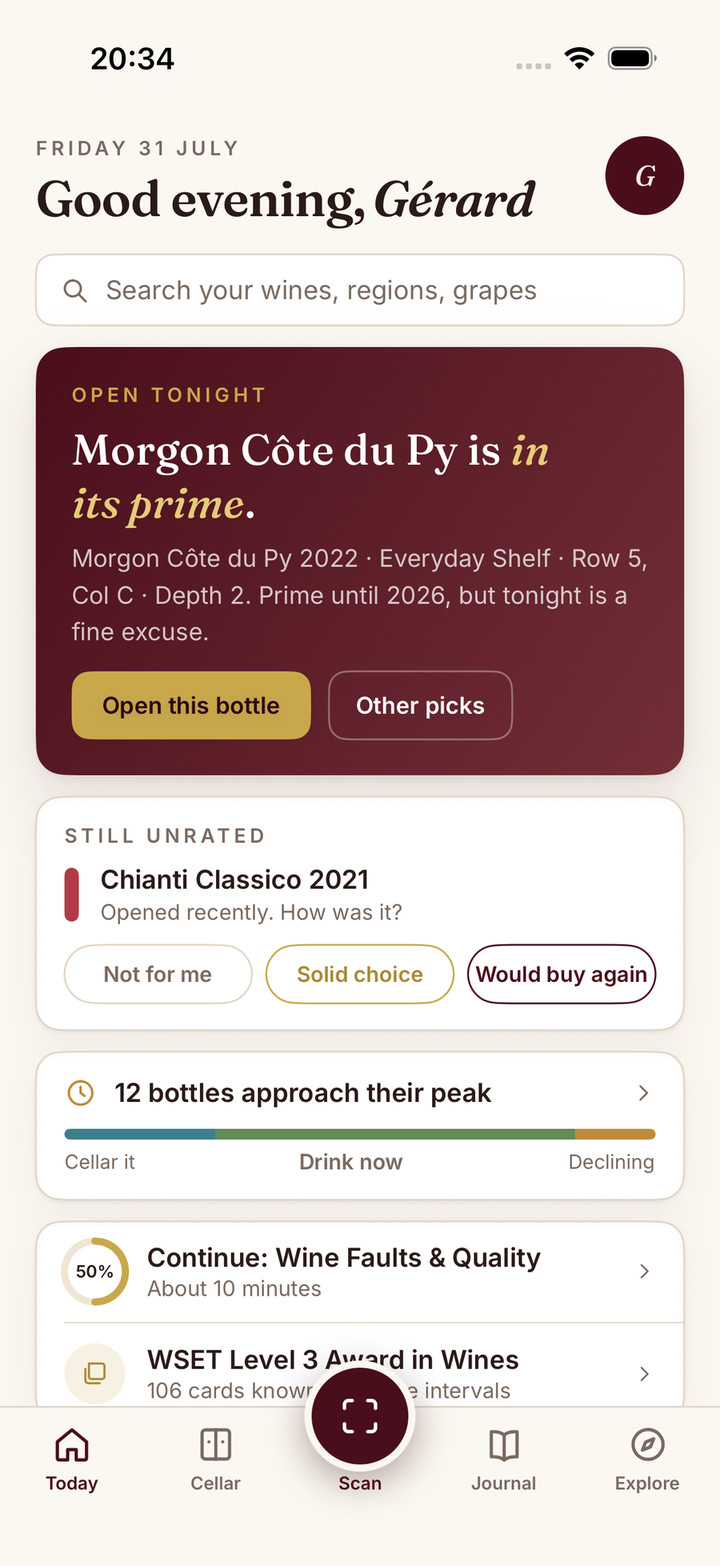
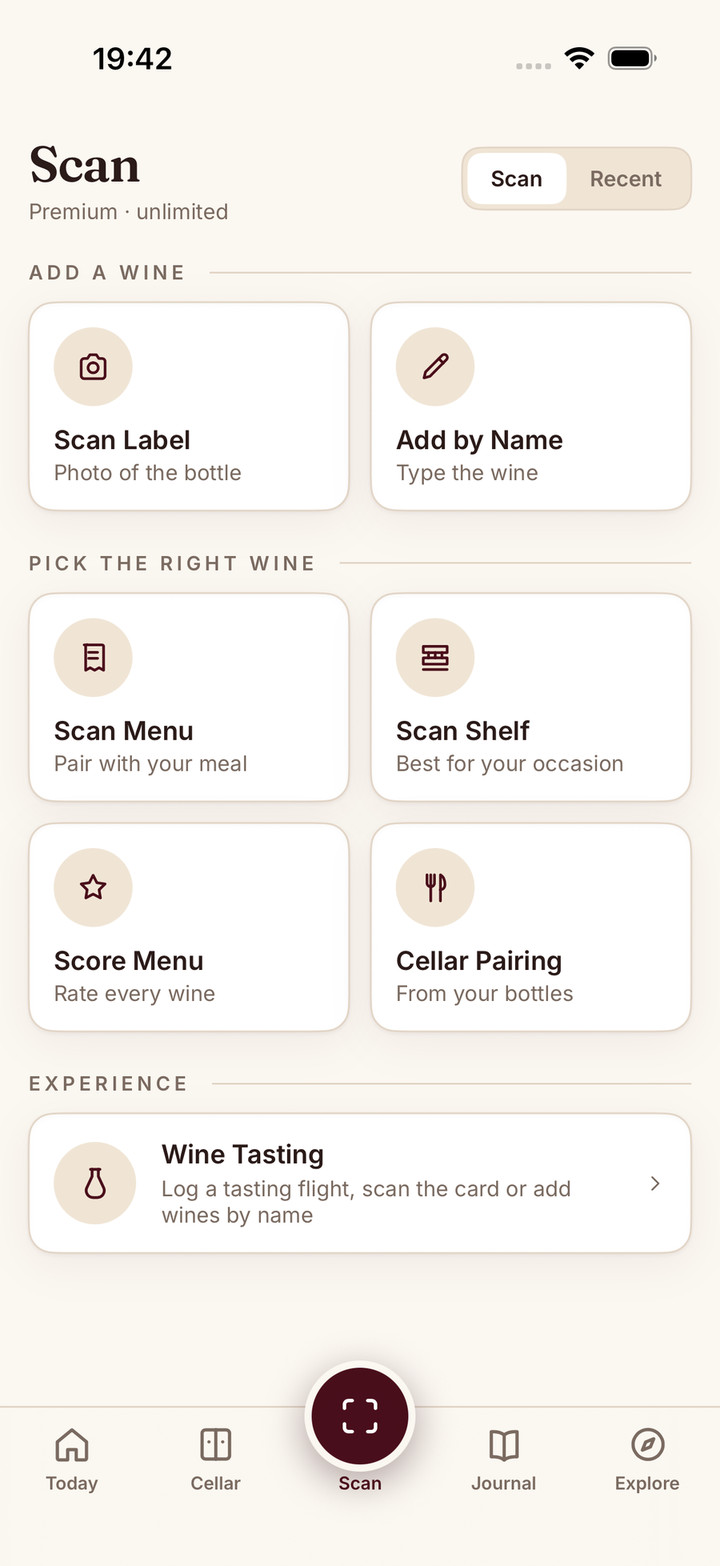
With hundreds of Muscat variants making everything from Moscato d’Asti to fortified Rutherglen, scanning the label with Sommo helps you understand exactly which style you are about to open. The tasting note framework adapts to dry, sparkling, and fortified styles separately, letting you build a personal map of the Muscat family across multiple bottles and years.