Mourvèdre Wine Guide
Discover Mourvèdre (Monastrell), a bold Mediterranean red grape prized for its dark fruit, meaty character, and role in Bandol and Southern Rhône blends.
Characteristics
- Full-bodied with firm, grippy tannins
- Blackberry, black plum, game, leather, and garrigue herbs
- Late-ripening grape that demands heat and sunshine
- Ages well, developing earthy and meaty complexity
Key Regions
Food Pairings
- Braised game meats
- Lamb tagine
- Hearty beef stew
- Aged mountain cheeses
Serving Temperature
60-65°F (16-18°C)
The Mediterranean Powerhouse
Mourvèdre (Monastrell in Spain, Mataro in Australia) is a late-ripening red grape that demands heat, sunshine, and a long growing season. In cool or marginal climates it struggles to ripen fully, which is why its greatest wines come from sun-baked Mediterranean shores rather than marginal northern sites. Where it does ripen, Mourvèdre delivers deep colour, firm structure, and a savoury, almost wild character that sets it apart from softer, more immediately fruity varieties.
It is the backbone of Bandol in Provence, where regulations require a majority of Mourvèdre in the region’s structured reds (and many of its serious rosés). Elsewhere, it is best known as the “M” in GSM: the classic Southern Rhône trio of Grenache, Syrah, and Mourvèdre. Grenache brings generosity and alcohol, Syrah adds spice and darkness, and Mourvèdre contributes tannic backbone, longevity, and that distinctive meaty, herbal edge. Understanding Mourvèdre helps you read not only Bandol labels but also Châteauneuf-du-Pape and countless New World blends marketed as GSM or Rhône-style.
Tasting Mourvèdre
Classic Flavours
In the glass, Mourvèdre often shows dark fruit first: blackberry, black plum, and sometimes blueberry in riper examples. The variety’s signature, however, is its savoury side. Game, leather, cured meat, and black pepper are common descriptors, alongside garrigue: the resinous, scrubby herbs of the Mediterranean (thyme, rosemary, lavender, wild brush). Older bottles tend toward earth, forest floor, and dried fruit as tannins integrate.
On the Palate
Mourvèdre is typically full-bodied, with firm, sometimes grippy tannins and moderate to fresh acidity depending on climate and winemaking. Young wines can feel dense and somewhat closed; the grape often rewards patience, softening and gaining complexity with bottle age. Oak is used judiciously in many traditional styles to round the edges without masking the variety’s rustic charm.
World Regions
Bandol, Provence
Bandol is widely regarded as Mourvèdre’s finest expression. Appellation rules require at least fifty per cent Mourvèdre in red Bandol, and many top estates use significantly more. The result is dark, structured, ageworthy wine with an unmistakable combination of fruit, tannin, and Provençal herb character. For context on the wider region, see our Provence guide.
Southern Rhône
Here Mourvèdre rarely flies solo; it anchors blends alongside Grenache and Syrah in Châteauneuf-du-Pape, Gigondas, Vacqueyras, and neighbouring appellations. It adds freshness, tannic spine, and aromatic complexity to wines that might otherwise be overly plush. Tasting GSM components side by side is one of the best ways to train your palate to spot Mourvèdre’s contribution.
Spain
Spaniards know the same variety as Monastrell. Hot, dry zones such as Jumilla and Yecla produce deeply coloured, often more approachable wines than lean Bandol, with ripe black fruit and sometimes softer tannins—though quality and style vary widely with vineyard elevation and yield.
Australia
Australian labels often use the historical name Mataro, especially for old-vine plantings in the Barossa Valley and McLaren Vale. These wines can be generous and dark-fruited, sometimes showing the variety’s gamey, peppery side in a distinctly New World register.
Food Pairings
Mourvèdre’s structure and savoury profile suit hearty, aromatic dishes. Think game meats, braised beef, lamb tagine with spices and dried fruit, rich casseroles, and slow-cooked stews. Aged mountain cheeses and hard sheep’s milk cheeses stand up to the tannins; avoid very delicate seafood unless you are pouring a lighter, youthful blend where Grenache leads.
Learn More with Sommo
Download Sommo to scan labels, explore Provence and Rhône Valley regions on the map, and practise spotting Mourvèdre in GSM blends. The app helps you connect what is in the bottle to what you taste—so the next time you open Bandol or a Southern Rhône red, you will know what to expect.
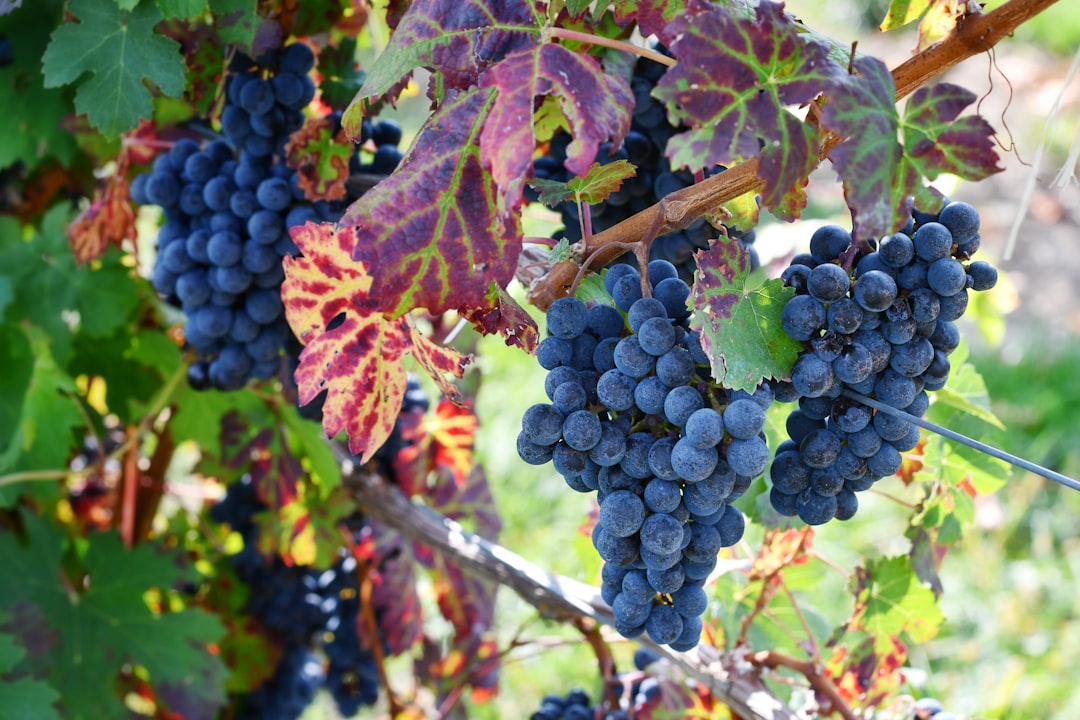
Photo by Max Harlynking on Unsplash
This grape features in the WSET Level 3 Cheat Sheet. Studying for your exam? Try the free Level 3 mock exam.