Montepulciano Wine Guide
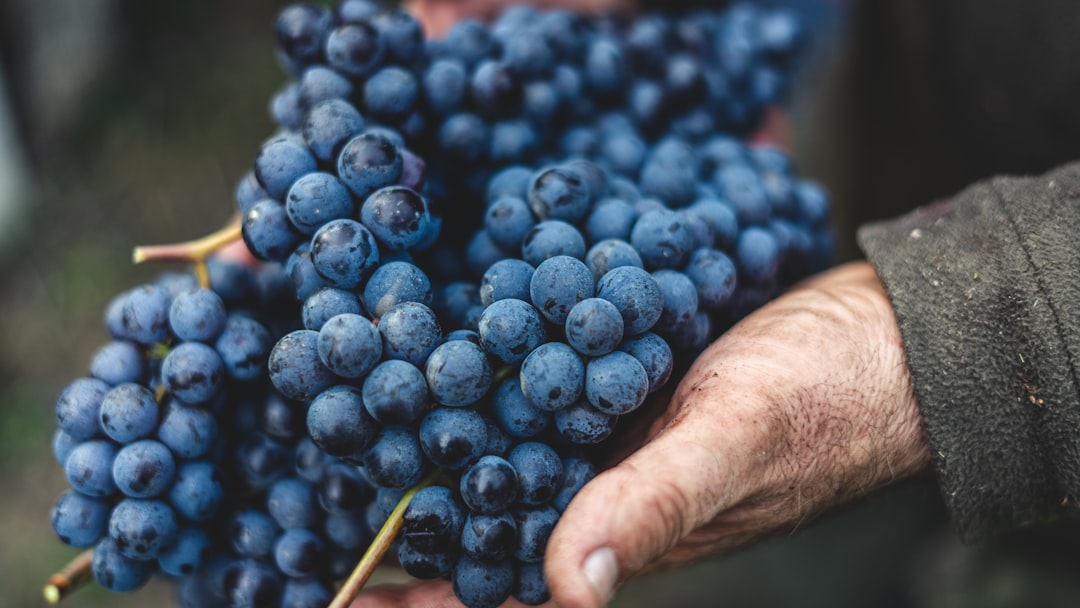
Discover Montepulciano, Italy's most planted red grape variety. Learn about its dark fruit character, Abruzzo roots, and why it offers outstanding value.
Characteristics
- Deep purple colour with medium to full body
- Dark cherry, plum, black pepper, and earthy herbs
- Moderate tannins with juicy acidity
- Excellent value at everyday price points
Food Pairings
- Pasta with meat ragù
- Grilled lamb chops
- Wood-fired pizza
- Aged pecorino cheese
Serving Temperature
60-65°F (16-18°C)
Not the Town — The Grape
Montepulciano is a grape variety, not the hill town in Tuscany. That single name causes endless mix-ups at the wine shop. The Tuscan town of Montepulciano gives its name to Vino Nobile di Montepulciano, a prestigious red made mainly from Sangiovese (locally called Prugnolo Gentile), hundreds of kilometres from Abruzzo. The grape Montepulciano, by contrast, is a dark-skinned variety grown widely in central and southern Italy, where it yields deeply coloured, fruit-driven reds with moderate structure. If you remember only one thing: same word on the label, two different stories — town versus vine.
Tasting Montepulciano
Classic Flavors
Typical Montepulciano leans into dark cherry, plum, and blackberry, often with a sprinkle of black pepper and a savoury streak of earth, dried herbs, or liquorice. Oak-aged examples can add vanilla, chocolate, or sweet spice, but the variety’s core is generous dark fruit rather than piercing acidity or fierce tannin.
On the Palate
In the glass the wine is usually deep purple to inky. On the palate it is medium- to full-bodied, with moderate tannins that feel approachable next to Nebbiolo or young Cabernet. Acidity tends to be juicy and refreshing rather than razor-sharp, which helps explain why Montepulciano pairs so well with everyday Italian cooking. Many bottlings are ready to drink young, though better sites and careful winemaking can add depth for mid-term cellaring.
Where It Grows
Abruzzo
Abruzzo is the variety’s heartland. Montepulciano d’Abruzzo DOC is one of Italy’s best-selling reds: honest, food-friendly, and widely exported. From simple weeknight bottles to more structured riserva wines, the appellation anchors the grape’s reputation for colour, fruit, and value.
Marche
Across the Apennines in the Marche, Montepulciano often appears in blends such as Rosso Conero and Rosso Piceno, where it contributes colour and ripe fruit alongside Sangiovese or other partners. These wines can feel a touch more structured or coastal in character depending on the site.
Molise and Puglia
Molise and Puglia also grow Montepulciano, sometimes as a blending component or in IGT bottlings that emphasise sun-ripened richness. Styles vary with climate and winemaking, but the grape’s dark fruit and soft-ish tannins remain a through-line.
Food Pairings
Montepulciano was built for the Italian table. Reach for it with pasta dressed in meat ragù, grilled lamb or souvlaki-style skewers, wood-fired pizza with sausage or mushrooms, and aged pecorino or other firm, salty cheeses. The wine’s fruit and moderate grip stand up to tomato, herbs, and char without demanding a special occasion.
Value Champion
Part of Montepulciano’s charm is the price-to-pleasure ratio. Large plantings and a tradition of approachable, early-drinking reds keep many Montepulciano d’Abruzzo bottles remarkably affordable, while quality-minded producers are increasingly showcasing single vineyards, old vines, and lower yields without losing the variety’s crowd-pleasing DNA. For anyone exploring Italian reds beyond Chianti, it is one of the clearest value champions on the shelf.
Learn More with Sommo
Download Sommo to scan labels, save tasting notes, and connect what you taste to grapes and regions. Whether you are untangling Montepulciano the grape from Montepulciano the town or hunting for your next Abruzzo bottle, the app helps you learn as you drink.
Get to know this grape better
Scan wines, build tasting notes, and learn what makes every grape unique.
This grape features in the WSET Level 2 Cheat Sheet. Studying for your exam? Try the free Level 2 mock exam.