Glera Wine Guide
Meet Glera, the grape behind Prosecco. Explore its green apple and pear character, the Charmat method, and why Prosecco became the world's favourite fizz.
Characteristics
- Light-bodied with refreshing acidity
- Green apple, pear, white peach, and floral notes
- Made sparkling via the Charmat (tank) method
- Best enjoyed young and fresh
Key Regions
Food Pairings
- Aperitivo and light snacks
- Fresh seafood and oysters
- Prosciutto and melon
- Sushi and sashimi
Serving Temperature
40-45°F (4-7°C)
The Grape Behind Prosecco
When you order Prosecco, you are almost always drinking Glera. The variety was long known as Prosecco itself, but in 2009 the name Glera was adopted for the grape so that Prosecco could be protected as a geographical designation. The change sounds administrative, yet it makes the point clearly: Prosecco is tied to place and rules, while Glera is the vine.
Glera is high-yielding and naturally aromatic, which suits large-scale sparkling production without sacrificing immediate appeal. It is grown mainly in northeast Italy, above all Veneto and Friuli Venezia Giulia, where cooler slopes and fresh nights help preserve acidity and primary fruit. For more on the regional context, see our Veneto guide.
Tasting Glera
Classic Flavors
In the glass, Glera leans into green apple, pear, and white peach, often lifted by wisteria, honeysuckle, or other white flowers. The profile is clean and forward; you are meant to notice fruit and blossom before anything else.
On the Palate
Wines based on Glera are typically light-bodied, with refreshing acidity that keeps them crisp rather than tart. Alcohol is usually low to moderate, which makes the style easy to sip on its own. Fruit stays gentle and juicy, and the overall impression is bright, airy, and sessionable rather than deep or tannic.
The Charmat Method
Unlike Champagne, where secondary fermentation happens in the bottle, most Prosecco is made by the Charmat (or tank) method. Yeast and sugar ferment under pressure in large stainless-steel tanks, capturing carbon dioxide before bottling under pressure, usually with short lees contact and gentle filtration.
That approach preserves Glera’s fresh, fruity character instead of building the brioche, biscuit, and autolytic notes that bottle ageing on lees can create. So when someone says Prosecco tastes of apple rather than toast, the method is a big part of the explanation. Both traditions make excellent sparkling wine; they simply aim at different flavours.
Quality Tiers
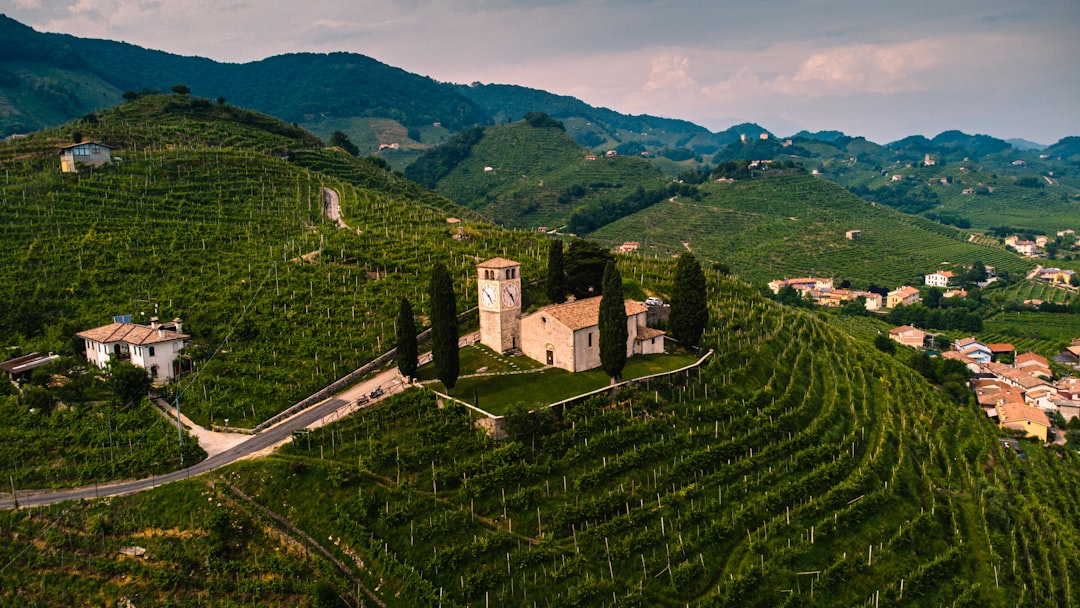
Prosecco DOC covers the broadest area and delivers consistent, fruit-led fizz at accessible prices. A step up, Conegliano Valdobbiadene Prosecco Superiore DOCG marks the premium heartland of steep hillside vineyards between those two towns, where lower yields and cooler sites often yield greater finesse. Within that DOCG, Cartizze is treated as a grand cru patch: a small, historic vineyard zone whose wines rank among the most refined expressions of the style.
Food Pairings
Prosecco was built for the aperitivo hour: olives, crostini, and light bites love its scrubbing bubbles and clean finish. It also shines with light seafood, prosciutto and melon, and sushi or sashimi, where acidity and gentle fruit balance salt and umami without stealing the show.
Learn More with Sommo
Download Sommo to scan labels, save tasting notes, and connect what is in your glass to grapes, regions, and quality tiers. When a label mentions DOC, DOCG, or a hillside Prosecco name, the app helps you decode it in seconds.
Get to know this grape better
Scan wines, build tasting notes, and learn what makes every grape unique.
This grape features in the WSET Level 2 Cheat Sheet. Studying for your exam? Try the free Level 2 mock exam.