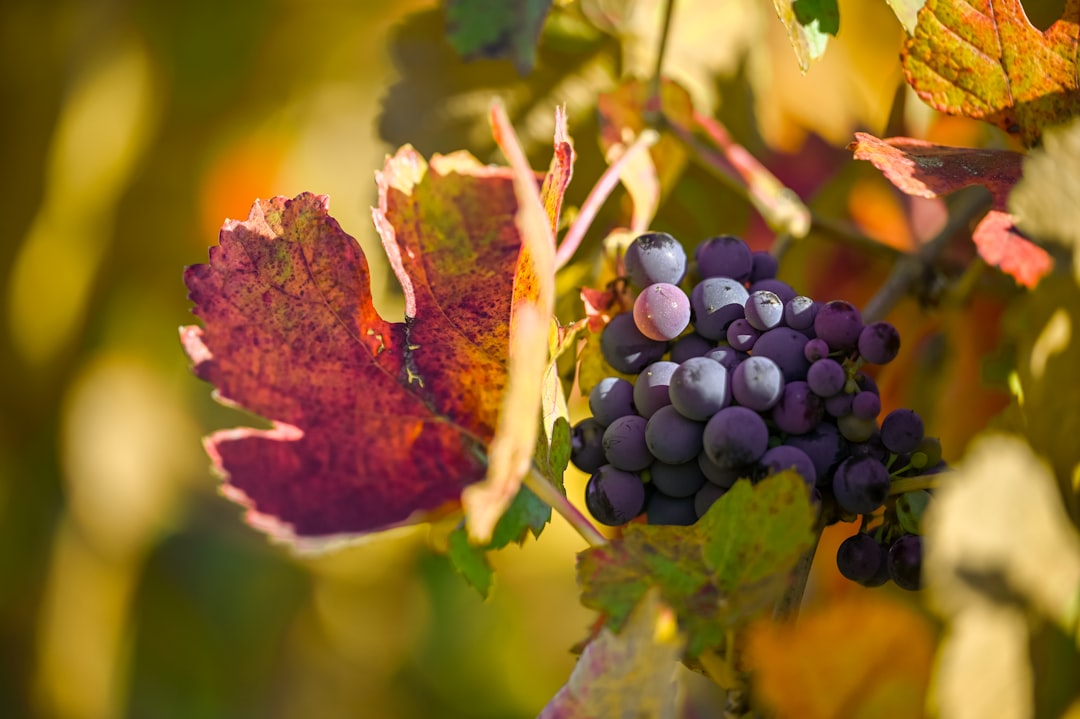
Corvina Wine Guide
Discover Corvina, the grape behind Amarone and Valpolicella. Learn about the appassimento method, cherry-driven character, and why this Veronese grape is Italy's best-kept secret.
Characteristics
- Sour cherry, red cherry, almond, and cinnamon
- Naturally high acidity with moderate tannins
- Transforms dramatically through appassimento drying
- Medium-bodied (Valpolicella) to full-bodied (Amarone)
Key Regions
Food Pairings
- Braised osso buco
- Aged Parmigiano-Reggiano
- Rich mushroom risotto
- Grilled polenta
Serving Temperature
58-64°F (14-18°C)
The Soul of Valpolicella
Corvina is the dominant grape in some of Italy’s most remarkable wines: Valpolicella, Ripasso, and the legendary Amarone. Grown around Verona in the Veneto region, it produces wines ranging from light and cherry-fresh to dense and powerful. Its natural high acidity and moderate tannins give structure even when the fruit feels generous, from everyday reds to cellar-worthy releases.
Tasting Corvina
Classic Flavours
In the glass, Corvina often leads with sour cherry and red cherry, sometimes toward dried cherry in riper or appassimento styles. Almond, cinnamon, and dried herbs are classic supporting notes, with a subtle bitterness that can read almost like amaro when the wine is built for age. The impression stays aromatically lifted rather than heavily extracted, even when the wine is full-bodied.
On the Palate
Valpolicella tends to be medium-bodied, with bright acidity and tannins that feel moderate rather than imposing. Amarone, made from dried grapes, can be full-bodied and richly concentrated, yet Corvina still contributes freshness that keeps the wine from feeling flat. Expect naturally high acidity across styles, which is part of what makes these reds so successful at the table.
The Appassimento Method
What makes Amarone extraordinary is not only the grape but the process. After harvest, bunches are laid on racks (traditionally bamboo, today often in modern drying lofts) for roughly three to four months, so moisture leaves the berries and sugars and flavours concentrate. Fermentation on intensely ripe must yields rich, layered wines often around fifteen to sixteen per cent alcohol, with decades of ageing potential in top examples. Recioto uses a related approach but stops fermentation to preserve sweetness, so one technique can yield radically different wines.
Wine Styles
Valpolicella Classico
The fresh, light, everyday face of the zone: red fruit, lively acidity, and a structure that suits pasta, pizza, and simple roasts.
Ripasso
Sometimes nicknamed a “baby Amarone,” Ripasso is made by re-fermenting Valpolicella on Amarone skins, gaining extra body, spice, and depth without the full weight of Amarone.
Amarone della Valpolicella
The showstopper: concentrated dried-fruit character, warming alcohol, and long ageing potential when quality is high.
Recioto della Valpolicella
The sweet traditional counterpart, luscious yet still framed by Corvina’s acidity so the finish does not cloy.
Food Pairings
Corvina-based reds shine beside braised osso buco, aged Parmigiano-Reggiano, rich risotto (especially with mushrooms or truffles), and grilled polenta with mushrooms. Match weight to style: lighter Valpolicella for midweek dishes, Amarone for slow-cooked, savoury mains and hard cheeses.
Learn More with Sommo
Download Sommo to scan labels, explore Veneto on the map, and connect what you taste to how these wines are made. When you can recognise Corvina’s cherry lift and the impact of appassimento, Amarone and Valpolicella stop feeling mysterious and start feeling like old friends.
Get to know this grape better
Scan wines, build tasting notes, and learn what makes every grape unique.
This grape features in the WSET Level 3 Cheat Sheet. Studying for your exam? Try the free Level 3 mock exam.