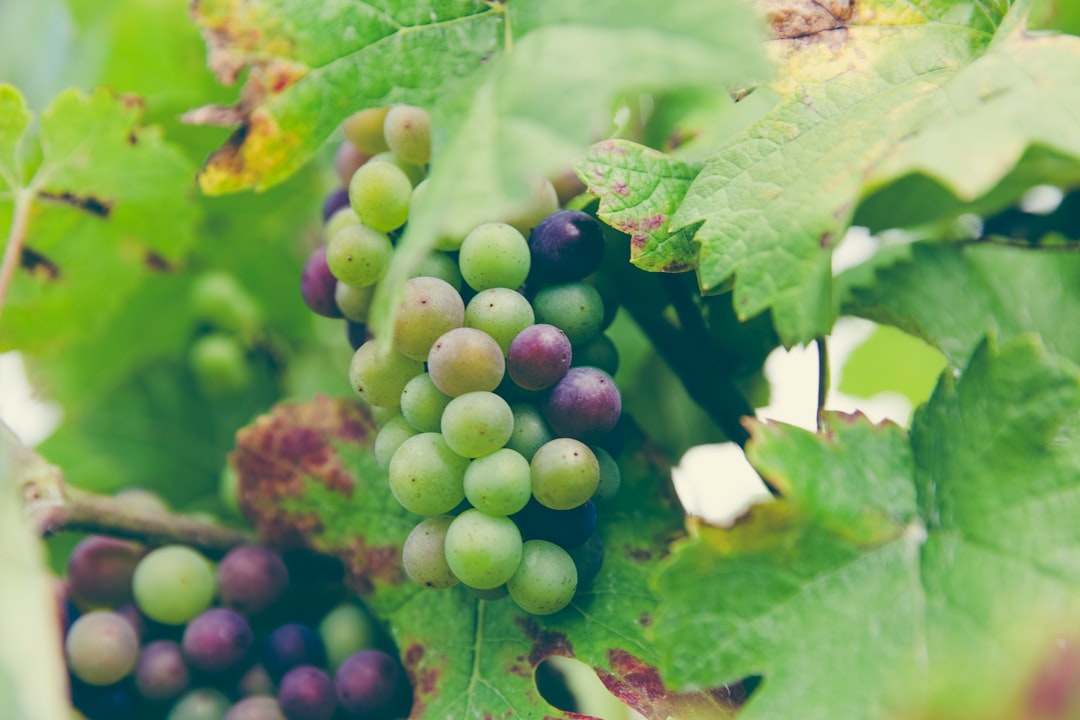
Cinsault Wine Guide
Discover Cinsault, the soft and fruity Mediterranean grape used in Southern Rhône blends, Provençal rosé, and South African Pinotage. Light, perfumed, and endlessly versatile.
Characteristics
- Light to medium-bodied with low tannins
- Strawberry, raspberry, red cherry, and peony
- Soft, juicy texture with fresh acidity
- Parent grape of Pinotage (crossed with Pinot Noir)
Key Regions
Food Pairings
- Salade niçoise
- Grilled Mediterranean vegetables
- Light fish dishes
- French charcuterie
Serving Temperature
55-60°F (13-16°C)
The Blender’s Secret Weapon
Cinsault (also spelled Cinsaut) is a soft, fruity Mediterranean grape that is rarely bottled on its own yet proves essential in countless blends. It brings perfume, freshness, and supple red fruit to Southern Rhône reds and Provençal rosés, rounding out partners that might otherwise feel heavy or monolithic. Think of it as the ingredient that adds lift: aromatic charm without harsh tannic grip, juicy acidity without shrillness. That versatility explains why it travels well beyond France, finding a second life in warm climates where it can ripen reliably while keeping a relatively light footprint in the glass.
Tasting Cinsault
Classic Flavours
Typical descriptors include strawberry, raspberry, and red cherry, often wrapped in floral notes such as peony or rose petal. Gentle spice appears in warmer examples, sometimes reading as white pepper or soft baking spice rather than the black-pepper punch of Syrah. Because the skins are thinner and extraction is usually restrained, the aromatic profile tends to stay red-fruited and pretty rather than inky and brooding.
On the Palate
Cinsault is usually light to medium-bodied, with low tannins and a soft, almost pillowy texture that makes it approachable young. Acidity stays juicy and refreshing, which is why the variety is prized in rosé and in blends that need balance against richer grapes. When you taste it in a GSM-style wine, listen for the red-fruit top notes and the easy, supple mid-palate; that is often Cinsault doing its job.
Where It Grows
Southern France
Cinsault is a key component in Châteauneuf-du-Pape and neighbouring appellations, working alongside Grenache and Mourvèdre to build complexity. In Provence, it is a star of pale, dry rosé, where its colour and perfume suit the region’s signature style.
South Africa
Here Cinsault is famous as one parent of Pinotage (crossed with Pinot Noir). Old-vine bottlings also appear as varietal wines, sometimes showing surprising depth and savoury intrigue.
Lebanon, North Africa, and the Southern Mediterranean
Warm, dry conditions suit Cinsault’s heat tolerance. Lebanese blends and Mediterranean coastal reds often rely on it for freshness and aromatic lift when temperatures climb.
The Rosé Connection
Cinsault’s relatively pale colour and perfumed character make it a natural rosé grape. Much of Provence’s iconic pale rosé owes its delicate profile to Cinsault with other varieties: crisp, dry, and food-friendly rather than heavy or confected. Salmon-pink rosé with subtle red-berry fruit often carries Cinsault’s influence.
Food Pairings
Pour Cinsault-led reds and rosés with salade niçoise, grilled Mediterranean vegetables, light fish dishes, and charcuterie. The low tannin and bright fruit profile flatter olive oil, herbs, and tomato without overwhelming delicate proteins.
Learn More with Sommo
Download Sommo to scan labels, compare Provence and Rhône Valley on the map, and practise spotting Cinsault in blends and rosé. Connecting grape to glass makes it easier to choose bottles for your mood and your table.
Photo by Markus Spiske on Unsplash
This grape features in the WSET Level 3 Cheat Sheet. Studying for your exam? Try the free Level 3 mock exam.