Character.
- Highly versatile, reflecting winemaker style and terroir
- Unoaked: citrus, green apple, mineral notes
- Oaked: butter, vanilla, toast, tropical fruit
- Medium to full body with balanced acidity
The World’s Favourite White Grape
Chardonnay is wine’s great chameleon. A relatively neutral grape on its own, it acts as a blank canvas that faithfully reflects the terroir where it grows and the decisions of the winemaker who shapes it. That extraordinary adaptability has made Chardonnay the most widely planted premium white variety on the planet, thriving in vineyards from the chalky slopes of Burgundy to sun-drenched hillsides in the Barossa Valley.
Whether you prefer a bone-dry, mineral-driven Chablis or a lush, barrel-fermented Napa Valley bottling, Chardonnay has a style waiting for you. Understanding the spectrum is the key to choosing the right bottle every time.
Two Styles, One Grape
Unoaked (Chablis Style)
When Chardonnay never sees the inside of an oak barrel, the result is pure, precise, and refreshing. Stainless-steel fermentation preserves the grape’s natural acidity and lets the terroir speak.
- Aromas and flavours: Green apple, lemon zest, white peach, wet stone
- Texture: Light to medium body with crisp, mouthwatering acidity
- Best examples: Chablis, Macon-Villages, Sonoma Coast, Adelaide Hills
Unoaked Chardonnay is the ideal starting point for drinkers who think they dislike the grape. Without oak influence, these wines are closer in spirit to Sauvignon Blanc than to the buttery stereotypes many associate with Chardonnay.
Oaked (Burgundy and California Style)
Oak ageing transforms Chardonnay into something richer and more complex. Barrel fermentation and malolactic conversion add layers of flavour and a creamy, almost viscous texture.
- Aromas and flavours: Butter, vanilla, toasted brioche, hazelnut, tropical fruit
- Texture: Medium to full body with a round, generous palate
- Best examples: Meursault, Puligny-Montrachet, Napa Valley, Margaret River
The degree of oak varies enormously. Top Burgundy producers use subtle amounts to complement the fruit, while some New World wineries apply more assertive toasting for a deliberately rich, crowd-pleasing style.
Key Winemaking Techniques
Understanding a few terms will help you decode Chardonnay labels and tasting notes:
- Malolactic fermentation (MLF): Converts sharp malic acid to softer lactic acid, giving that characteristic buttery quality. Most oaked Chardonnays undergo full MLF; unoaked styles often block it to retain freshness.
- Lees stirring (batonnage): Stirring the wine over its spent yeast adds body, creaminess, and a distinctive bready character.
- New vs. old oak: New barrels impart more vanilla and toast; older barrels contribute subtle texture without dominating the fruit.
World Regions
Burgundy, France
The spiritual home and global benchmark for Chardonnay. Cool continental climate and Kimmeridgian limestone soils produce wines of unparalleled finesse. Chablis in the north delivers steely minerality, while the Cote de Beaune villages of Meursault, Puligny-Montrachet, and Chassagne-Montrachet offer richer, more layered expressions that rank among the finest white wines on earth.
Champagne, France
Chardonnay is one of three permitted grape varieties in Champagne and the sole grape in Blanc de Blancs. It contributes citrus elegance, bright acidity, and exceptional ageing potential to both blends and single-variety cuvees.
Napa Valley and Sonoma, California
California built its reputation on Chardonnay. Napa delivers fuller, riper styles with tropical fruit and generous oak. Cooler Sonoma Coast and Carneros sites produce more restrained wines with better acidity, increasingly influenced by the Burgundian approach.
Australia
The Yarra Valley and Adelaide Hills champion a crisp, elegant style, while Margaret River produces powerful yet balanced wines that can rival top Burgundy. The Barossa is moving beyond its historically heavy approach towards greater freshness.
Other Notable Regions
Chile, New Zealand (Hawke’s Bay), South Africa (Walker Bay), and northern Italy (Alto Adige) all produce distinctive Chardonnays worth seeking out.
Tasting Chardonnay
Climate Influence
- Cool climate: Green apple, citrus, mineral, chalk, high acidity
- Moderate climate: Stone fruit, melon, pear, balanced acidity
- Warm climate: Tropical fruit, pineapple, ripe peach, softer acidity
Ageing Character
- Young: Fresh fruit, floral notes, bright acidity
- With age: Honey, toasted nuts, marmalade, mushroom, lanolin
Quality oaked Chardonnay from top producers can age gracefully for 10 to 20 years. Even well-made Chablis Premier Cru develops beautifully over a decade.
Food Pairings
Chardonnay’s weight and textural range make it one of the most food-friendly white grapes:
- Unoaked: Fresh shellfish, oysters, sushi, green salads, light fish dishes
- Lightly oaked: Roasted chicken, grilled salmon, risotto, creamy goat cheese
- Full oaked: Lobster with drawn butter, crab cakes, creamy pasta, roast pork, soft-ripened cheeses like Brie and Camembert
A useful rule: match the richness of the wine to the richness of the dish. A lean Chablis works beautifully with a dozen oysters; a barrel-fermented Meursault wants lobster thermidor.
Chardonnay and WSET
Chardonnay appears at every level of the WSET programme. At Level 2, expect to compare oaked versus unoaked styles and identify climate influence. At Level 3, you will analyse specific regions and winemaking techniques in detail. The Sommo app’s WSET flashcards and practice quizzes cover these topics with spaced repetition to help you retain what you learn.
Discover Chardonnay with Sommo
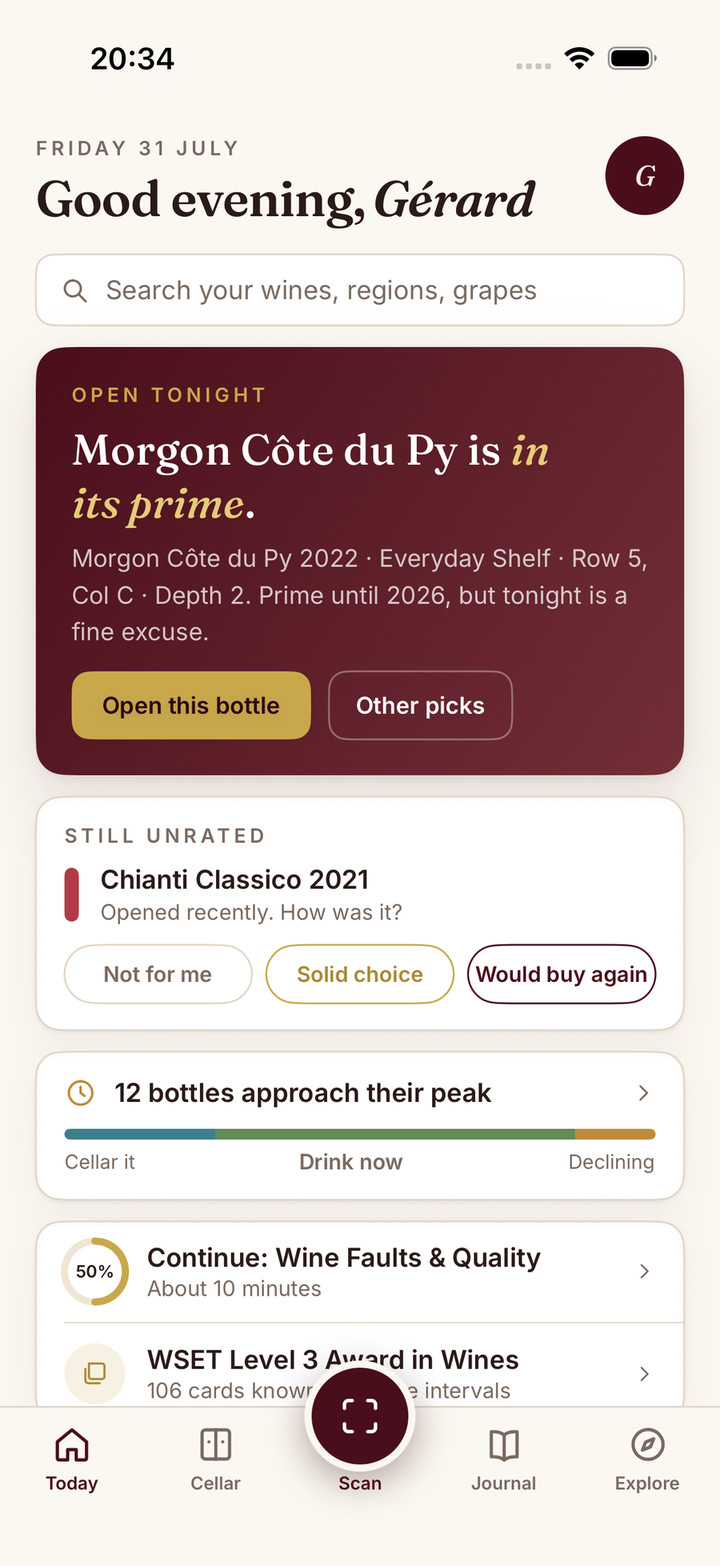
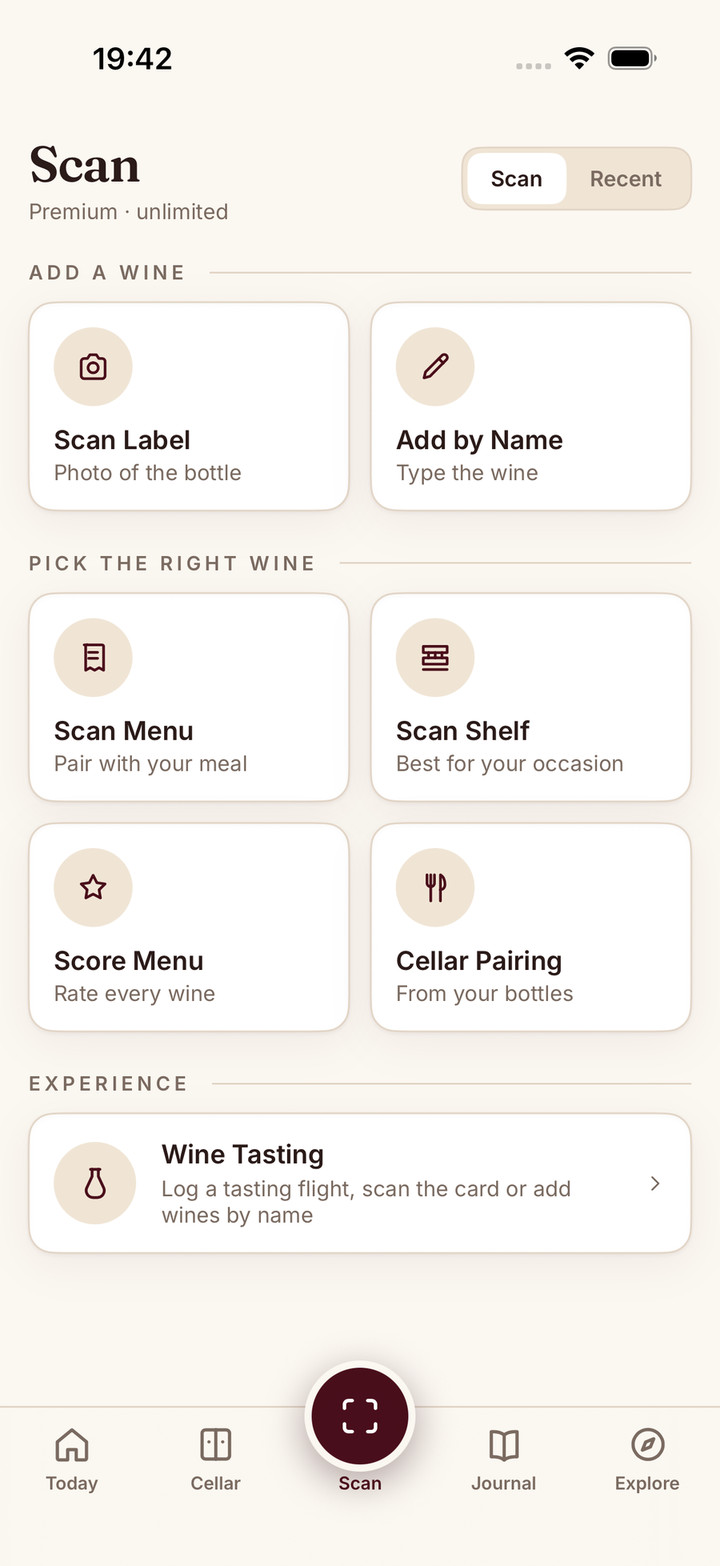
Scan any Chardonnay label with Sommo to understand the style before you pour. The app identifies the region, likely winemaking approach, and suggested food pairings, so you always know what to expect from the bottle in front of you. Track your favourites in your wine journal and build a personal map of Chardonnay styles you enjoy.