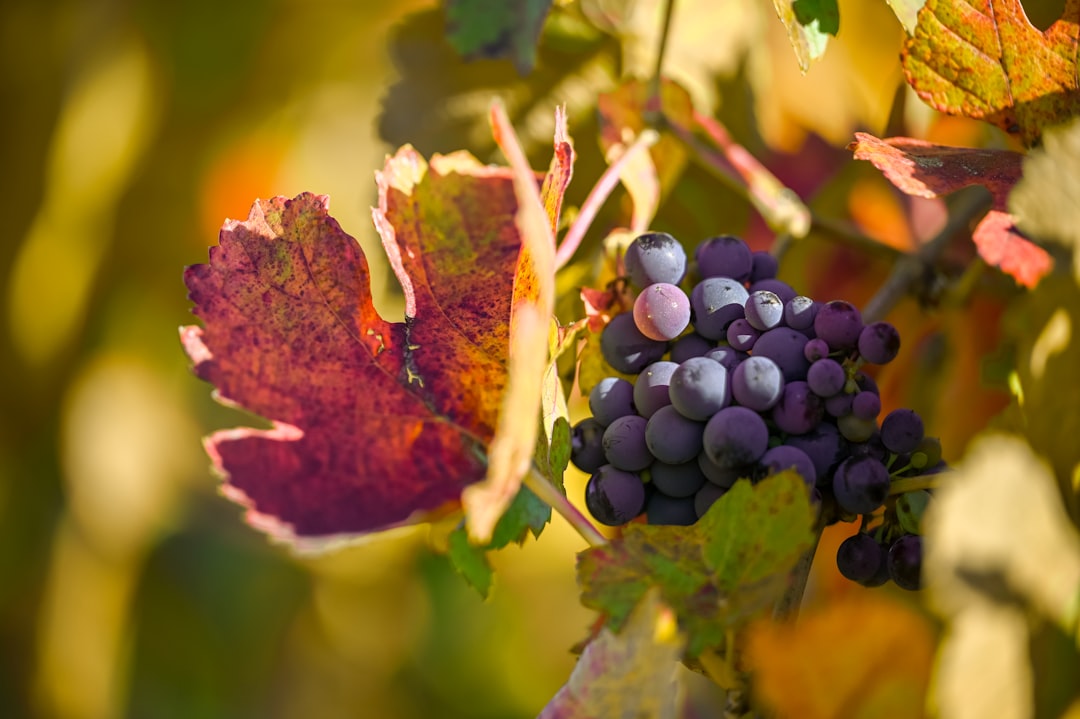
Barbera Wine Guide
Explore Barbera, Piedmont's high-acid, low-tannin red grape. Learn about Barbera d'Asti, Barbera d'Alba, and its perfect affinity for Italian cuisine.
Characteristics
- Medium to full body with high acidity
- Very low tannins giving a juicy, mouthwatering quality
- Flavors of sour cherry, raspberry, plum, and dried herbs
- Oak aging adds richness and spice
Key Regions
Food Pairings
- Tomato-sauced pasta and lasagna
- Wood-fired pizza
- Risotto with mushrooms
- Grilled sausages and cured meats
Serving Temperature
60-65°F (16-18°C)
Piedmont’s Everyday Star
While Nebbiolo gets the prestige, Barbera is the grape Piedmontese families actually drink every day. Italy’s third most planted red variety, Barbera is defined by its combination of bright, almost electric acidity and virtually absent tannins — a profile that makes it one of the most food-friendly red wines in the world. In the hands of top producers, Barbera also delivers serious depth and complexity.
Tasting Barbera
Classic Flavors
- Fruit: Sour cherry, raspberry, blackberry, plum
- Secondary: Dried herbs, licorice, earth
- With age: Vanilla, smoke, tar, dried cherry (when oaked)
On the Palate
Medium to full-bodied with high acidity and low tannins. This unusual combination gives Barbera its signature juicy, mouthwatering quality. Oak-aged examples add richness and spice while keeping that vibrant acidity.
World Regions
Piedmont, Italy
The two key appellations are Barbera d’Asti (generally richer and fruitier) and Barbera d’Alba (often more structured from the same terroir as Barolo). Top cru bottlings from either can rival Nebbiolo for complexity.
California, USA
Italian immigrants planted Barbera across California’s Central Valley. While much goes into everyday blends, producers in the Sierra Foothills and Amador County craft excellent varietal bottlings.
Food Pairings
Barbera’s bright acidity and low tannins make it ideal with:
- Tomato-sauced pasta and lasagna
- Wood-fired pizza
- Risotto with mushrooms or saffron
- Grilled sausages and cured meats
Aging Potential
Unoaked Barbera drinks best within 3-5 years. Oak-aged cru bottlings from top producers (Barbera d’Asti Superiore, Nizza DOCG) can age gracefully for a decade, gaining depth while retaining their lively acidity.
Learn More with Sommo
Barbera d’Asti, Barbera d’Alba, Barbera del Monferrato — the appellation tells you a lot about the wine. Scan labels with Sommo to decode Piedmont’s naming conventions and find producers worth revisiting.
Get to know this grape better
Scan wines, build tasting notes, and learn what makes every grape unique.