Albarino Wine Guide
Explore Albarino, Spain's crisp Atlantic white grape. Learn about Rias Baixas, its saline minerality, seafood pairings, and refreshing coastal character.
Characteristics
- Light to medium body with crisp, vibrant acidity
- Flavors of white peach, apricot, lemon, and green apple
- Distinctive saline, mineral finish
- Thick skin adds subtle texture and phenolic grip
Key Regions
Food Pairings
- Fresh oysters and clams
- Grilled octopus and shrimp
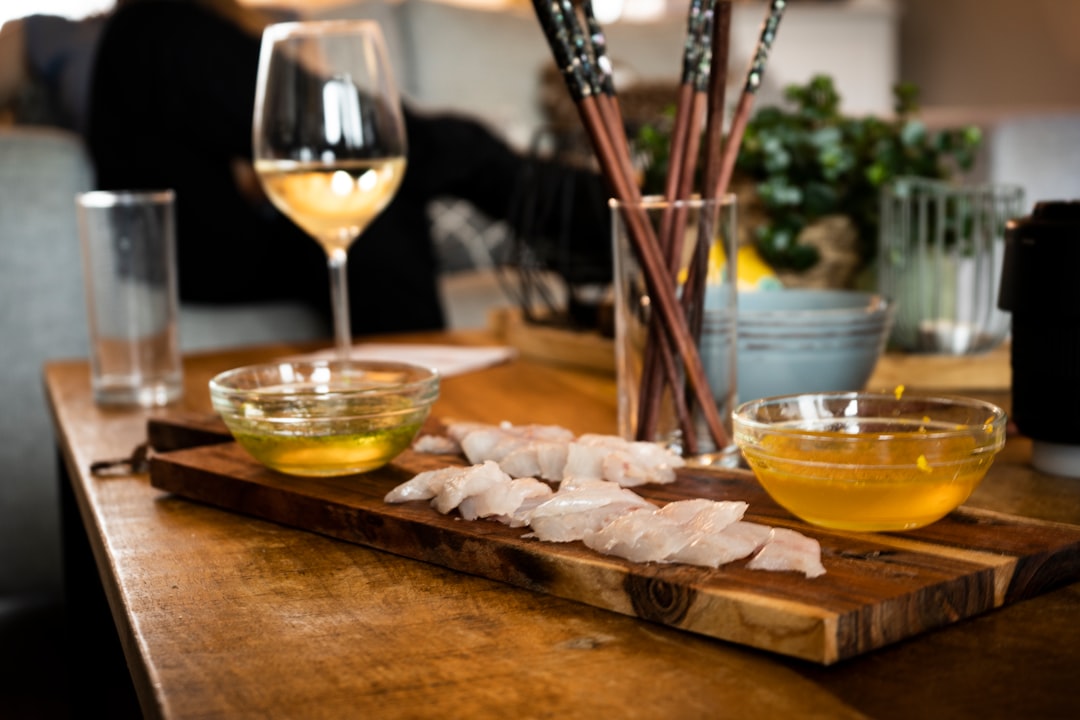
- Sushi and sashimi
- Ceviche and crudo
Serving Temperature
45-50°F (7-10°C)
Spain’s Atlantic White
While most Spanish wine comes from the sun-baked interior, Albarino hails from the green, rain-soaked coastline of Galicia in Spain’s far northwest. Cooled by Atlantic breezes and drenched in maritime humidity, Albarino produces whites of startling freshness with a distinctive saline edge that recalls the ocean. It is the ultimate seafood wine, and one of the most exciting white varieties in Europe.
Tasting Albarino
Classic Flavors
- Fruit: White peach, apricot, lemon, green apple
- Secondary: Saline minerality, orange blossom, wet stone
- With age: Honey, almond, chamomile (rare; most drink young)
On the Palate
Light to medium-bodied with crisp, vibrant acidity and a characteristic salty, mineral finish. Albarino’s thick skin gives it more texture and phenolic grip than typical light whites, adding a subtle bite.
World Regions
Rias Baixas, Spain
The definitive region for Albarino. Vineyards are trained on pergolas to combat humidity and prevent rot. The Val do Salnes subzone, closest to the coast, produces the most mineral-driven, saline examples.
Vinho Verde, Portugal
Across the border, the same grape is called Alvarinho and produces the finest wines of the Vinho Verde region — more structured and aromatic than the typical blend-based Vinho Verde.
Food Pairings
Albarino’s saline minerality and bright acidity make it ideal with:
- Fresh oysters and clams
- Grilled octopus and shrimp
- Sushi and sashimi
- Ceviche and crudo
Aging Potential
Most Albarino is designed to be enjoyed within 1-3 years of vintage. A small number of producers experiment with lees aging and oak, creating wines that can develop for 5 or more years, though freshness is the grape’s greatest strength.
Learn More with Sommo
Albarino from Rias Baixas tastes completely different from Portuguese Alvarinho across the border. Use Sommo to scan labels, learn the producer, and discover which Atlantic-influenced whites you love most.
Get to know this grape better
Scan wines, build tasting notes, and learn what makes every grape unique.