How to Study for WSET Using Spaced Repetition (The Science-Backed Method)
Spaced repetition is the most efficient way to memorize WSET material. Learn how the SM-2 algorithm works and how to use it for wine certification success.
WSET exams are information-dense. Level 2 alone covers dozens of grape varieties, major wine regions across multiple countries, winemaking techniques, and service knowledge. Level 3 multiplies that by an order of magnitude.
Most students study by re-reading notes and hoping the information sticks. There’s a better way, and it’s backed by decades of cognitive science research.
What Is Spaced Repetition?
Spaced repetition is a study technique based on the forgetting curve, the observation that we forget information at a predictable rate after learning it. The key insight: if you review material right before you’d forget it, each review strengthens the memory and extends the time before you’d forget again.
The SM-2 algorithm (SuperMemo 2) automates this process:
- You review a flashcard and rate how well you knew the answer
- The algorithm calculates when you’re likely to forget that card
- It schedules the next review for just before that forgetting point
- Over time, well-known cards appear less often (days, then weeks apart)
- Difficult cards appear more often until they’re firmly memorized
This is the same approach used by medical students memorizing anatomy, language learners acquiring vocabulary, and law students studying case law. It works because it’s based on how human memory actually functions.
Why WSET Is Perfect for Spaced Repetition
WSET study material is almost entirely discrete facts, exactly what spaced repetition handles best:
- Grape varieties: characteristics, regions, climate preferences, flavor profiles
- Wine regions: countries, appellations, permitted grapes, climate, soil, classification systems
- Winemaking: fermentation, oak aging, malolactic conversion, residual sugar levels
- Service: temperatures, glassware, decanting, storage
- Tasting: vocabulary, SAT methodology, quality assessment criteria
Each of these facts can be converted into a flashcard. And each flashcard can be optimally scheduled by the SM-2 algorithm.
How to Use Spaced Repetition Effectively
Start Early, Go Short
Don’t cram. Spaced repetition works best over weeks and months, not days. Start your flashcard practice 8-12 weeks before your exam for Level 2, and 12-16 weeks for Level 3.
Sessions should be 15-30 minutes. The algorithm does the heavy lifting, you just need to show up consistently.
Be Honest About Your Recall
When you rate a flashcard, be truthful:
- If you hesitated or guessed, mark it as difficult
- If you knew it immediately, mark it as easy
- If you couldn’t remember at all, mark it accordingly
The algorithm only works if you give it accurate data. Lying to the algorithm means poorly scheduled reviews and gaps on exam day.
Study in Context
Complement flashcards with contextual learning:
- When reviewing a grape variety card, mentally connect it to the regions where it grows
- When reviewing a region, visualize the map location
- When reviewing a winemaking technique, connect it to the wines it produces
Sommo’s interactive wine map and region guides help build these connections.
Practice the Tasting Component Separately
Spaced repetition handles factual recall. The tasting exam requires a different kind of preparation, structured practice using the SAT methodology. Sommo’s Tasting Note Wizard guides you through this:
- Pour a glass of wine
- Work through appearance, nose, palate, and conclusions
- Get AI feedback comparing your notes to the wine’s known profile
- Repeat with different wines to calibrate your palate
Doing this regularly alongside your flashcard practice covers both halves of the WSET exam.
A Sample Study Schedule
Here’s what an effective WSET Level 2 study schedule looks like using spaced repetition:
Weeks 1-4: Foundation
- 15 minutes daily: Flashcard review (new cards introduced gradually)
- 1 session per week: SAT tasting practice with a different wine
- Weekend: Read through course material, let the flashcard algorithm handle retention
Weeks 5-8: Building
- 20 minutes daily: Flashcard review (most cards now in rotation)
- 2 sessions per week: SAT tasting practice
- Weekend: Take a practice quiz to identify weak areas
Weeks 9-12: Sharpening
- 20 minutes daily: Flashcard review (focused on remaining difficult cards)
- 3 sessions per week: SAT tasting practice
- Weekend: Take a full mock exam under timed conditions
Final Week: Polish
- 15 minutes daily: Light flashcard review (the algorithm will focus on your weakest cards)
- Review the cheatsheet for quick reference
- One final mock exam to confirm readiness
Why Sommo Over DIY Flashcards
You could create flashcards in Anki, Quizlet, or on paper. But Sommo offers wine-specific advantages:
Pre-built WSET content: Hundreds of flashcards aligned to the WSET syllabus, ready to use immediately. No hours spent creating cards when you should be studying.
Integrated tasting practice: The SAT Wizard and AI feedback are built in. You don’t need a separate app or process for the tasting component.
Wine scanning as reinforcement: Every wine you scan in real life reinforces what you’ve studied. See a Riesling at a shop? Scan it and connect the real bottle to your flashcard knowledge.
Mock exams: Timed, WSET-format mock exams let you practice under realistic conditions. Generic flashcard apps don’t offer this.
Gamified motivation: XP, levels, and progress tracking keep you motivated through weeks of study. It’s a small thing, but it matters when you’re deep in revision.
The Bottom Line
WSET exams reward preparation, not cramming. Spaced repetition is the most efficient preparation method science has found, and applying it to wine study is a natural fit.
Start early. Study short. Be honest with the algorithm. Practice tasting separately. And let the SM-2 algorithm ensure that on exam day, every fact you need is fresh in your memory.
Download Sommo and start your spaced repetition study plan today.
Liked this read? Try the app.
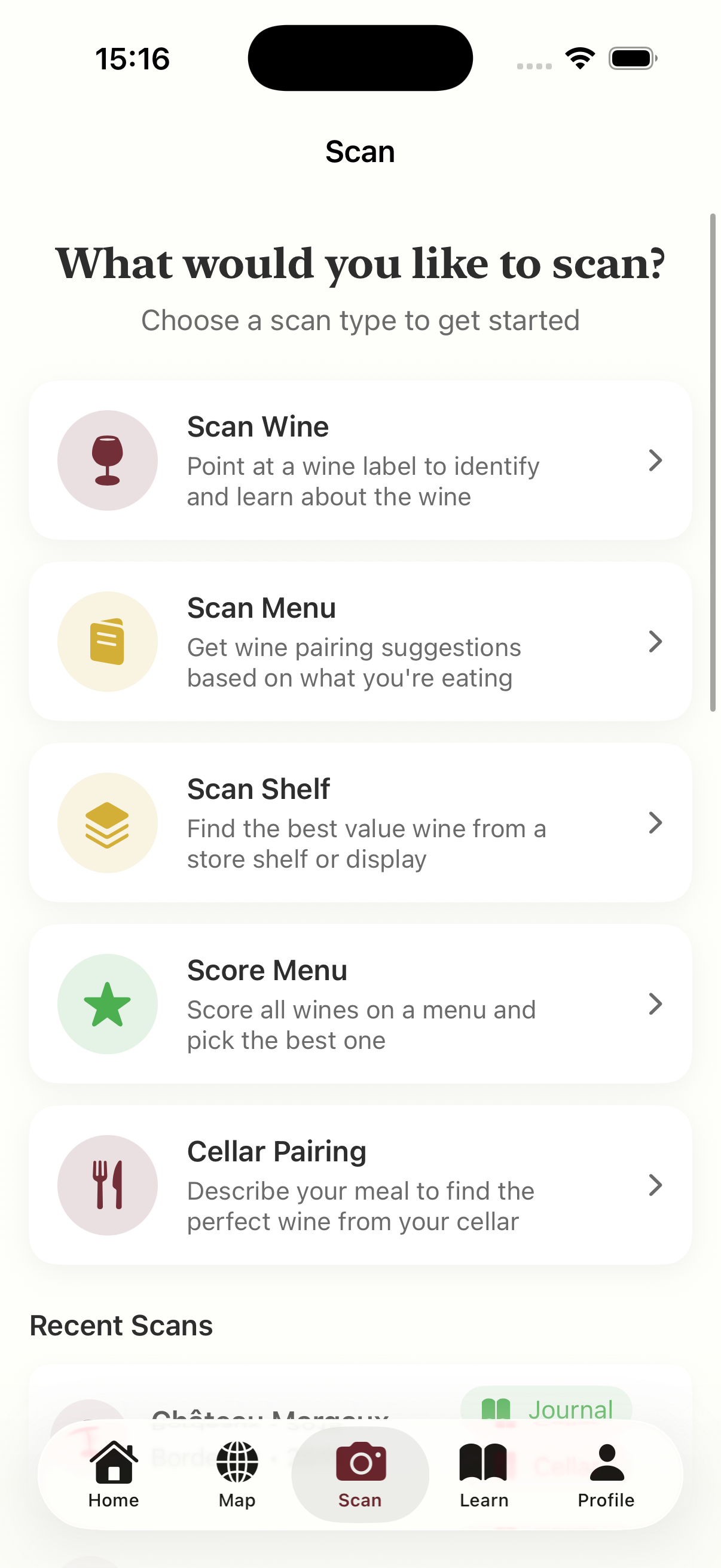
Scan any wine label with AI, build your tasting journal, and learn wine your way.