Most WSET Level 2 failures are not caused by a single obscure region. They come from a repeatable preparation error: recognising the page but failing to retrieve the fact, learning grapes without their places, or taking mock scores without diagnosing why answers were wrong. Fix those behaviours before adding more notes.
1. Rereading Instead of Retrieving
Highlighting and rereading create familiarity, not recall. Close the book and write what you know about one grape: climate, acidity, body, flavours, regions and label terms. Then compare it with the source.
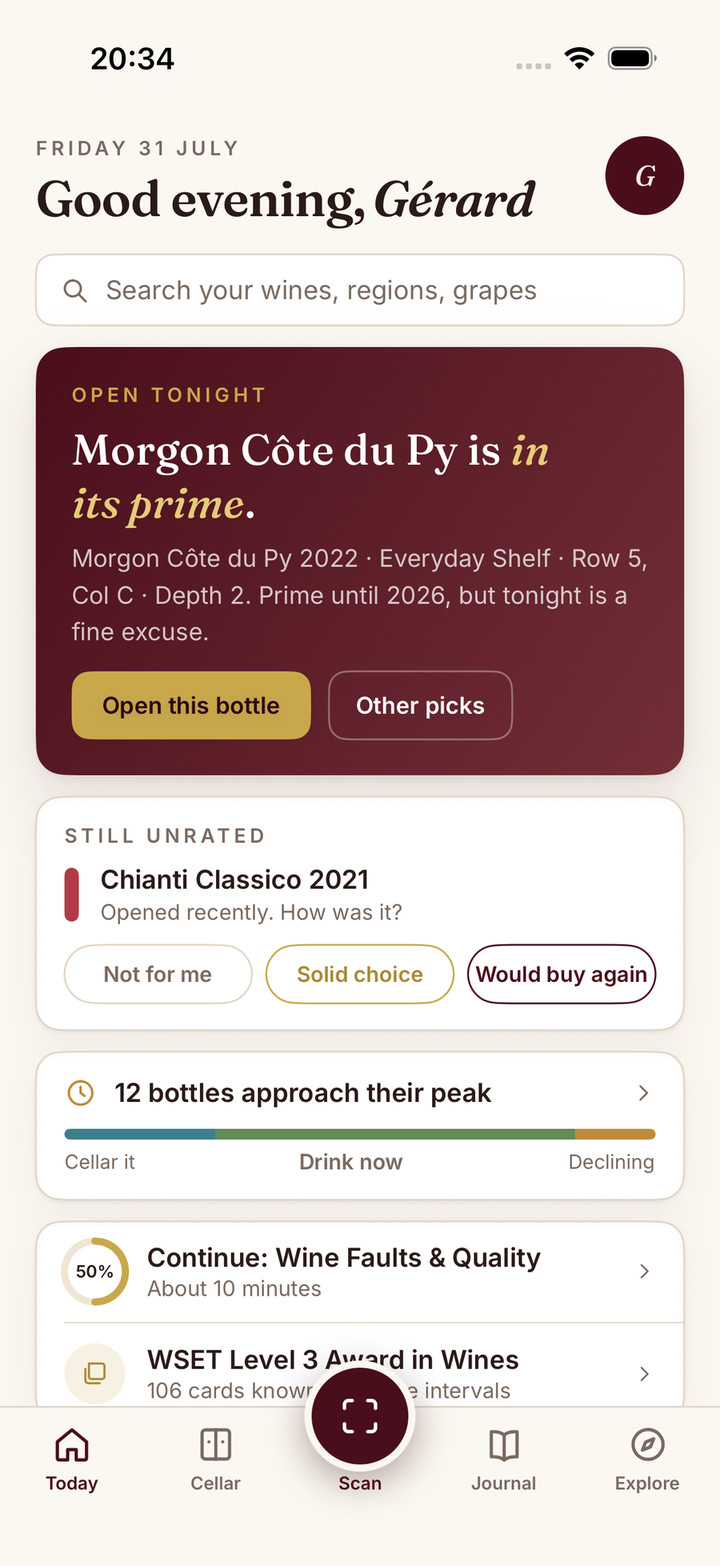
Use the Level 2 cheatsheet as a prompt, not a bedtime story. Cover a column and reproduce it from memory.
2. Learning Grapes Without Regions
“Sangiovese has high acidity” is useful, but the exam can join grape, region and label. Build paired cards in both directions: Barolo → Nebbiolo and Nebbiolo → Barolo and Barbaresco. Reverse recall stops a familiar name from becoming the wrong option.
The highest-value joins include grape to region, region to climate, label term to production rule and winemaking choice to flavour.
3. Ignoring Smaller Chapters
Sparkling, sweet, fortified, storage, service and food pairing feel smaller than still-wine regions, so candidates postpone them. That turns a manageable set of marks into a blind spot. Give each smaller area a short recall session and one topic quiz rather than waiting for the final night.
4. Treating Similar Terms as Synonyms
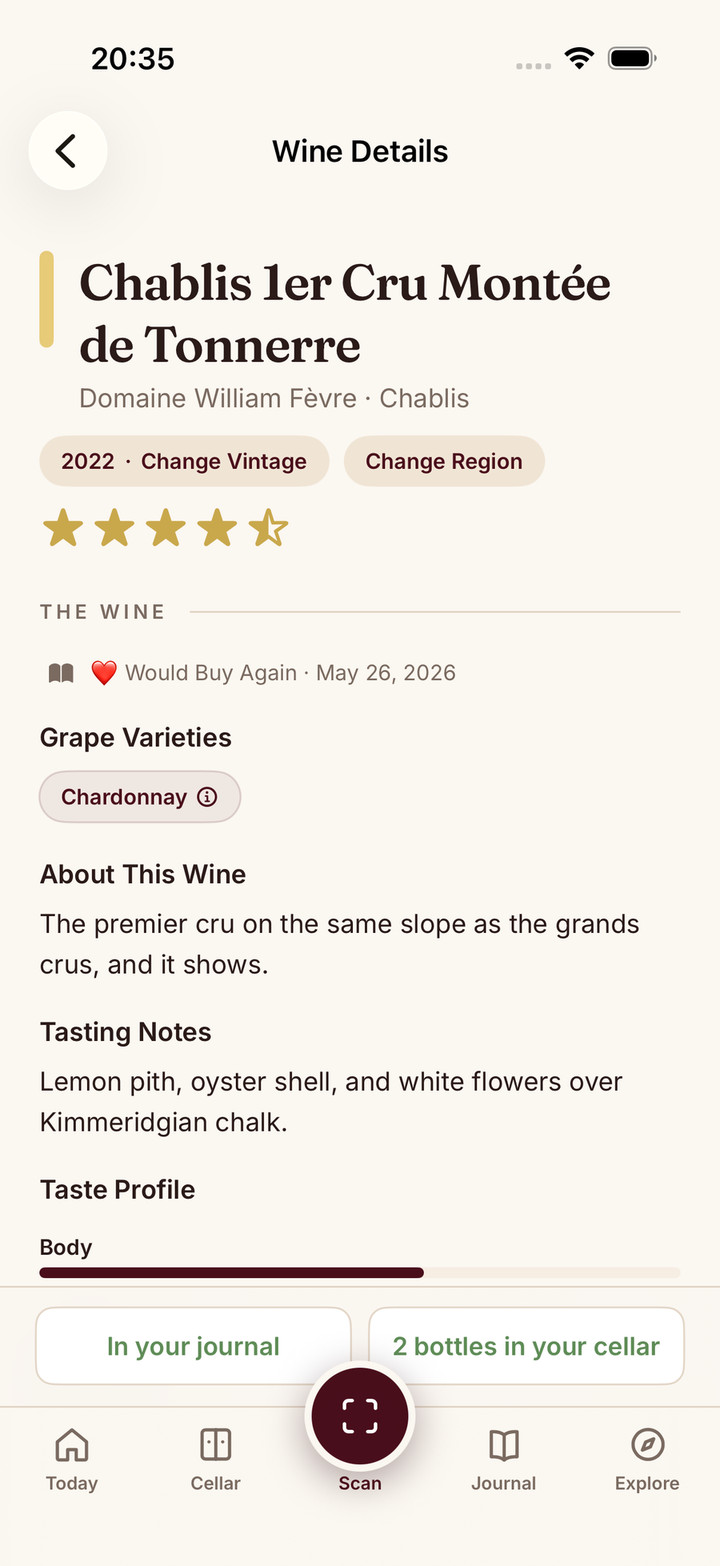
Extra Dry is not drier than Brut. Rioja Reserva is not simply “better” than every Crianza. Chablis is Chardonnay, while Sancerre is normally Sauvignon Blanc. Make a confusion list and revise contrasts together.
One side-by-side table is more useful than two disconnected paragraphs because the difference becomes the memory cue.
5. Reading the Topic, Not the Stem
A question may ask for the best answer, an exception, a cool-climate effect or a production consequence. Underline words such as “not”, “most likely” and “primary” before looking at the options. Otherwise a true statement can distract you from the answer to the actual question.
6. Letting One Hard Question Consume the Minute
The current WSET Level 2 qualification page describes a one-hour, 50-question closed-book assessment. That is about 72 seconds per question, but the paper does not require equal time on each.
Answer clear questions first, mark uncertain ones and return. Reserve the final minutes to check the answer sheet and negative stems rather than repeatedly debating one label term.
7. Leaving Answers Blank
There is no negative marking in the current specification. Eliminate options that conflict with the grape, climate or method, then guess. A blank answer is guaranteed zero; an informed guess has a chance.
8. Recording a Mock Score Without a Diagnosis
A 74% score hides the useful information. Tag every miss as knowledge, confusion, misreading or unsupported guess. Also review correct guesses, because luck is not mastery.
Turn each error into one short prompt and retest it two days later. The full Level 2 mock exam is most valuable when its wrong answers determine the next study session.
A Better Final-Week Loop
- Sit one timed set without notes.
- Classify every error and lucky guess.
- Relearn only the missing connection.
- Retrieve it the next day without options.
- Finish with a second timed set and the exam guide for logistics.
Do not chase novelty in the final 24 hours. Review the official learning outcomes, your confusion list and the mistakes that have already cost you marks. Sommo is independent of WSET; follow your provider’s current specification and exam instructions.
Sleep and a calm read of every stem will recover more marks than one more frantic chapter.