Pumpkin pie is creamy, gently spiced and sweet. That last word is the key to the pairing: choose a wine at least as sweet as the finished slice. A dry wine that tasted generous with dinner can seem thin or sour beside the pie. The right bottle should also have enough freshness to stop the custard feeling heavy.
This is a dessert question, not a turkey question. Keep the Thanksgiving dinner wines for the savoury courses and make a deliberate change when pudding arrives. The broader wine-with-dessert guide explains the sweetness rule for other dishes.
The all-rounder: late-harvest Riesling
For a classic pumpkin pie with warm cinnamon and a modest spoonful of cream, a late-harvest Riesling is a good starting point. Its sweetness meets the filling; its acidity gives the palate a reset after each forkful. Look for a label that clearly indicates a sweet style rather than assuming all Riesling is sweet. The grape spans dry to intensely sweet wines, as our Riesling guide explains.
You do not need an exceptionally concentrated dessert wine for a lightly sweetened pie. Taste the filling first if possible. If it is very sweet or covered in caramel, choose a richer wine; if the recipe is restrained, a lighter sweet style may feel more balanced.
The light finish: Moscato d’Asti
Moscato d’Asti brings floral fruit and gentle bubbles to a lighter pie. It works particularly well if the dessert follows a substantial meal and guests want a small, refreshing final glass rather than a fortified wine. Check that the bottle is Moscato d’Asti rather than an unrelated dry Moscato-labelled wine; the name and sweetness level matter more than the grape name alone.
Its delicate character can disappear under a heavily spiced, pecan-topped or caramel-drenched pie. For that version, move to something deeper. Our guide to sweet wines gives a fuller picture of how these bottles differ.
The richer choice: tawny Port
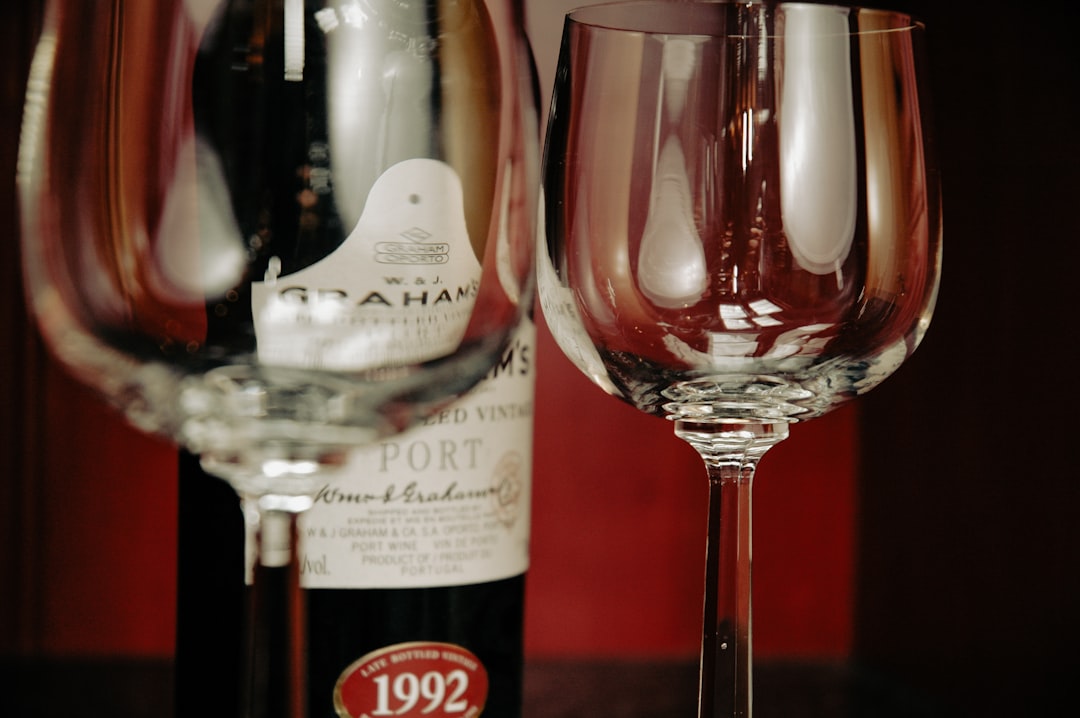
Tawny Port’s nutty, dried-fruit and caramel character can echo a darker pumpkin pie with brown sugar or toasted nuts. Serve a small pour: it is fortified and more powerful than Moscato d’Asti. This is a complementary pairing, not a claim that Port is the universal answer to every pumpkin dessert.
If the pie is very cold, let it lose some chill before judging the match. Cold can mute both its spice and the wine’s aroma. Pour the wines in modest glasses and let guests compare; a little of two styles is often more interesting than a large serving of one.
Choose the pie first, then the bottle
The quick decision is simple: lighter pie, Moscato d’Asti; classic pie, late-harvest Riesling; richer, nutty pie, tawny Port. Adjust for the actual sweetness on the plate. Skip bone-dry brut and firm, tannic reds even if they were excellent with dinner.
If you find a pairing worth repeating, save the bottle and your note in Sommo’s journal. Next year you can search your own experience rather than starting the dessert aisle from scratch.
Save your pumpkin-pie pairing in Sommo.
The food-and-wine sweetness principle is explained in WSET’s food-matching guidance.