Roast duck, goose, pheasant, quail, and other game birds are some of the best wine pairings in the world. The fat, the depth of flavour, the slight gaminess, and the rich sauces these dishes typically come with all reward serious wine. The trouble is that the same wine almost never works across the whole category. The Pinot Noir that elevates a Peking duck can fall apart with a slow-roasted goose. A Bordeaux that flatters pheasant breast can overwhelm a delicate quail.
This guide walks through every major game bird, the specific cooking methods you are most likely to encounter, and the wines that genuinely earn their place at the table. Whether you are planning a Christmas goose, a French country duck dinner, or a hunting-season pheasant pie, the recommendations below are calibrated for what is actually on the plate.
What Makes Game Birds Different
Game birds share three traits that shape pairing logic.
Higher fat content than chicken. Especially duck and goose. The fat needs either acidity (to cut) or richness (to match), depending on the wine.
Stronger flavours, often with a savoury or slightly metallic edge. This rewards wines with their own savouriness (cool-climate Pinot Noir, aged Burgundy, mature Bordeaux), more than fruit-forward New World reds.
Frequent pairing with sweet or fruit-based sauces. Duck à l’orange, goose with cherry sauce, pheasant with redcurrant. These sweet elements reward wines with their own fruit character that mirrors the sauce.
The framework that works: medium-bodied reds with bright acidity, savoury complexity, and moderate tannin. Big tannic reds usually fight game birds. Light reds (Beaujolais, Frappato) work for the gentler birds but get overwhelmed by goose. Whites work surprisingly well for some preparations, especially Riesling and aged white Burgundy.
For broader pairing principles, see our how to pair wine with food guide, or try the wine pairing finder for a specific dish. If you want to test the theory, the WSET Level 2 food pairing quiz covers exactly these principles.
Duck Pairings
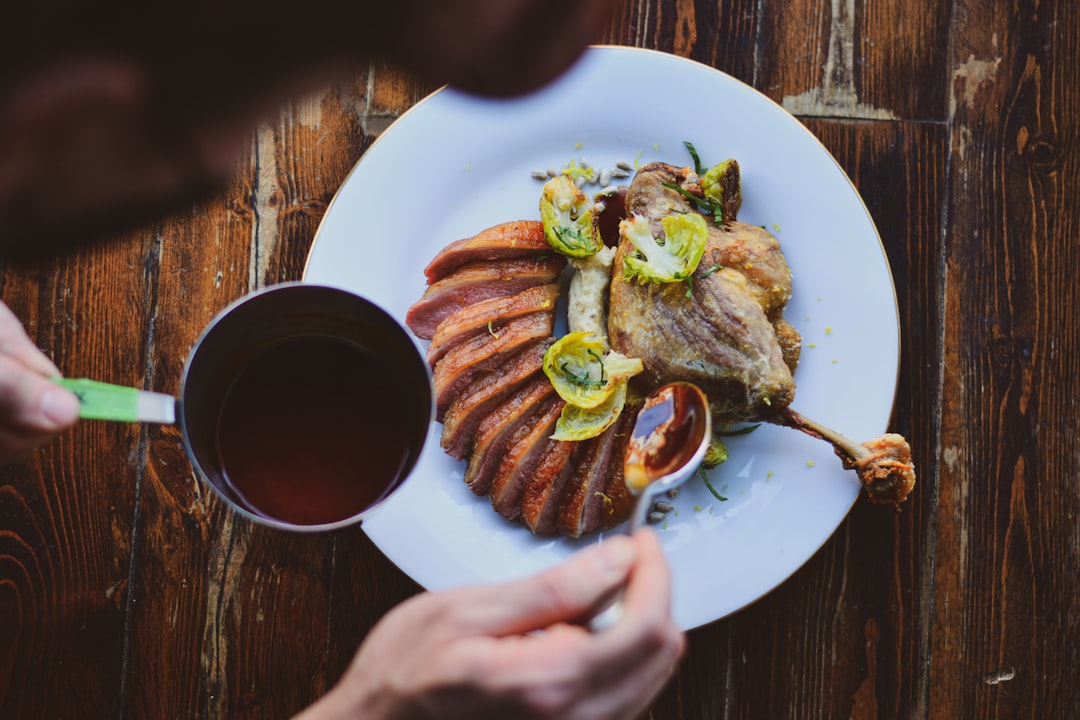
Roast Duck Breast (Pink, Crisp Skin)
The classic French preparation. Skin scored, rendered slowly, breast cooked to medium-rare. Often served with a fruit-based sauce.
Wine match: Pinot Noir. The textbook pairing. Burgundy if you can afford it; Oregon Willamette Valley or German Spätburgunder at lower prices. The wine’s bright cherry fruit, earthy undertones, and moderate tannin match duck’s fat and gaminess perfectly.
Producers to look for: Bruno Clair Marsannay, Cristom Mt. Jefferson Pinot Noir (Oregon), Meyer-Näkel (Germany).
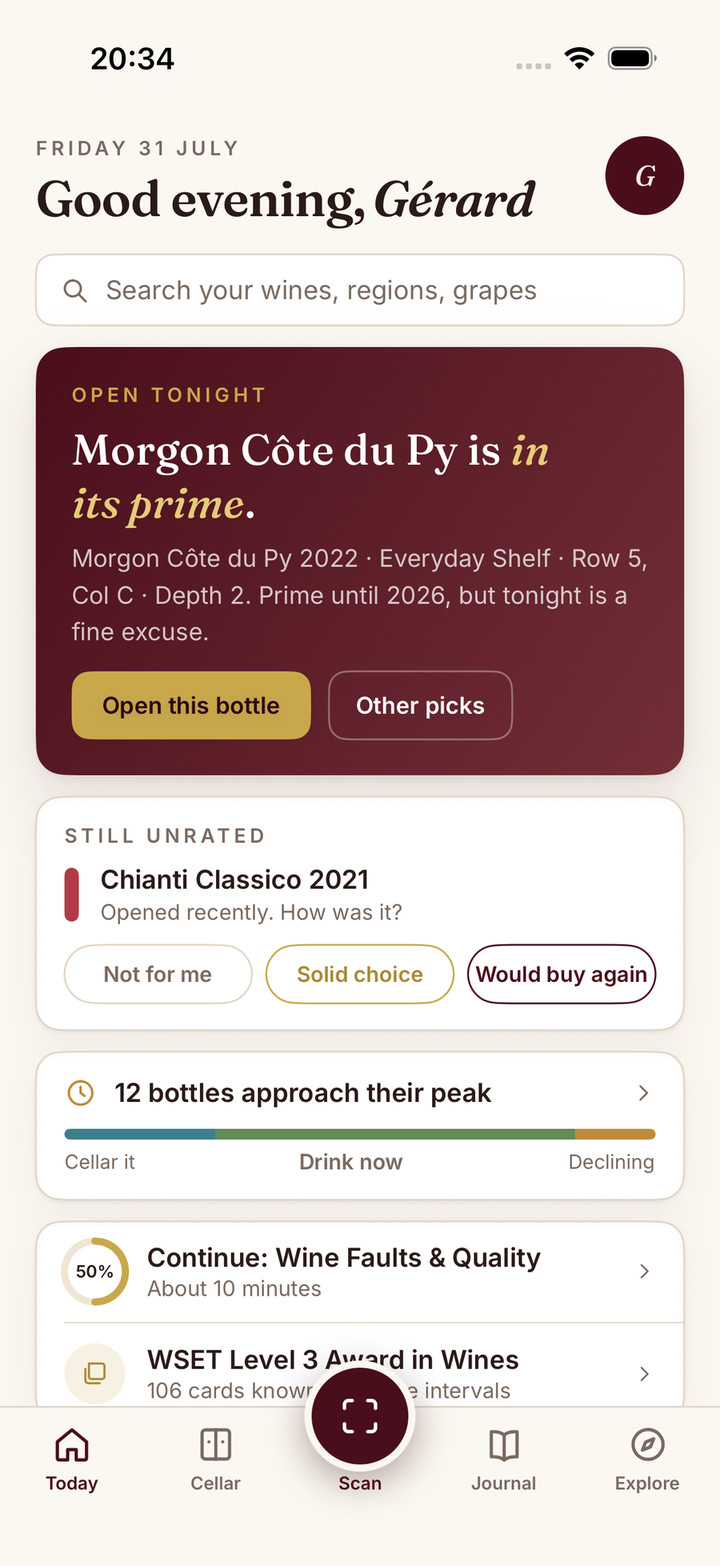
Alternative: A serious Cru Beaujolais (Morgon Côte du Py or Moulin-à-Vent) delivers similar food chemistry at a fraction of the price. See our Beaujolais wine guide.
Duck à l’Orange
Classic French. The orange sauce brings sweetness, acidity, and citrus aromatics.
Wine match: An off-dry Alsatian Riesling, particularly at the Vendange Tardive level if you can afford it. Or a serious Pinot Noir with bright acidity. The orange citrus aligns with both options beautifully.
Producers: Trimbach Riesling Cuvée Frédéric Émile, Domaine Weinbach Riesling.
Peking Duck (Hoisin, Crispy Skin)
The classic Chinese preparation. The sweet hoisin sauce and crispy fatty skin transform the pairing logic.
Wine match: Pinot Noir, but lighter and more aromatic. German Spätburgunder, basic Burgundy, or Loire Cabernet Franc. The wine’s bright fruit cuts through the hoisin sweetness without competing.
Alternative: Off-dry Riesling Spätlese from Mosel. The textbook Asian-food pairing.
For more, see our wine and Asian food pairing guide.
Duck Confit
Slow-cooked, intensely flavoured, often served with potatoes and a green salad.
Wine match: Cahors (Malbec from southwest France) or Madiran (Tannat). Both are rustic, structured reds from duck country, designed for exactly this dish.
Alternative: A serious Côtes du Rhône Villages or a Châteauneuf-du-Pape from a good vintage.
Crispy Duck Salad (Asian-Inspired)
Lighter preparation, often with bright herbs, citrus, and chilli.
Wine match: Off-dry Riesling or a lighter Pinot Noir served slightly chilled.
Goose Pairings
Goose is the heaviest game bird and the most challenging to pair. The bird’s fat content is dramatic, the flavour is intense, and the traditional accompaniments (red cabbage, dumplings, fruit sauces) are themselves rich.
Roast Christmas Goose
The traditional centrepiece. Rendered slowly, often stuffed with apples, prunes, or sausage. Served with red cabbage and dumplings (German tradition) or chestnut stuffing and applesauce (French/British).
Wine match: A serious aged red. The structural backbone needs to handle the bird’s richness, but the wine should have enough fruit and acidity to balance the fat. Top picks:
- Aged Bordeaux (10+ years from a good vintage). The cedar, tobacco, and savoury character handles goose beautifully.
- Mature Burgundy (Premier Cru or Grand Cru, ideally 10+ years). The classic gastronomic pairing.
- Châteauneuf-du-Pape (with age). The Grenache-based blend has the body for the bird and the savouriness to match.
Alternative for lower budget: A serious Rioja Gran Reserva. The oak ageing and softening of fruit with bottle age suits the heavy bird.
Goose with Cherry or Plum Sauce
Sweet-fruit sauces add another layer.
Wine match: A serious Pinot Noir from a warmer vintage, or a young Bordeaux from a softer year. The fruit in the wine mirrors the sauce.
Alternative: German Spätburgunder Auslese for a richer, slightly off-dry option.
Goose Rillettes
Spreadable, intensely flavoured, fatty. Often served as a starter.
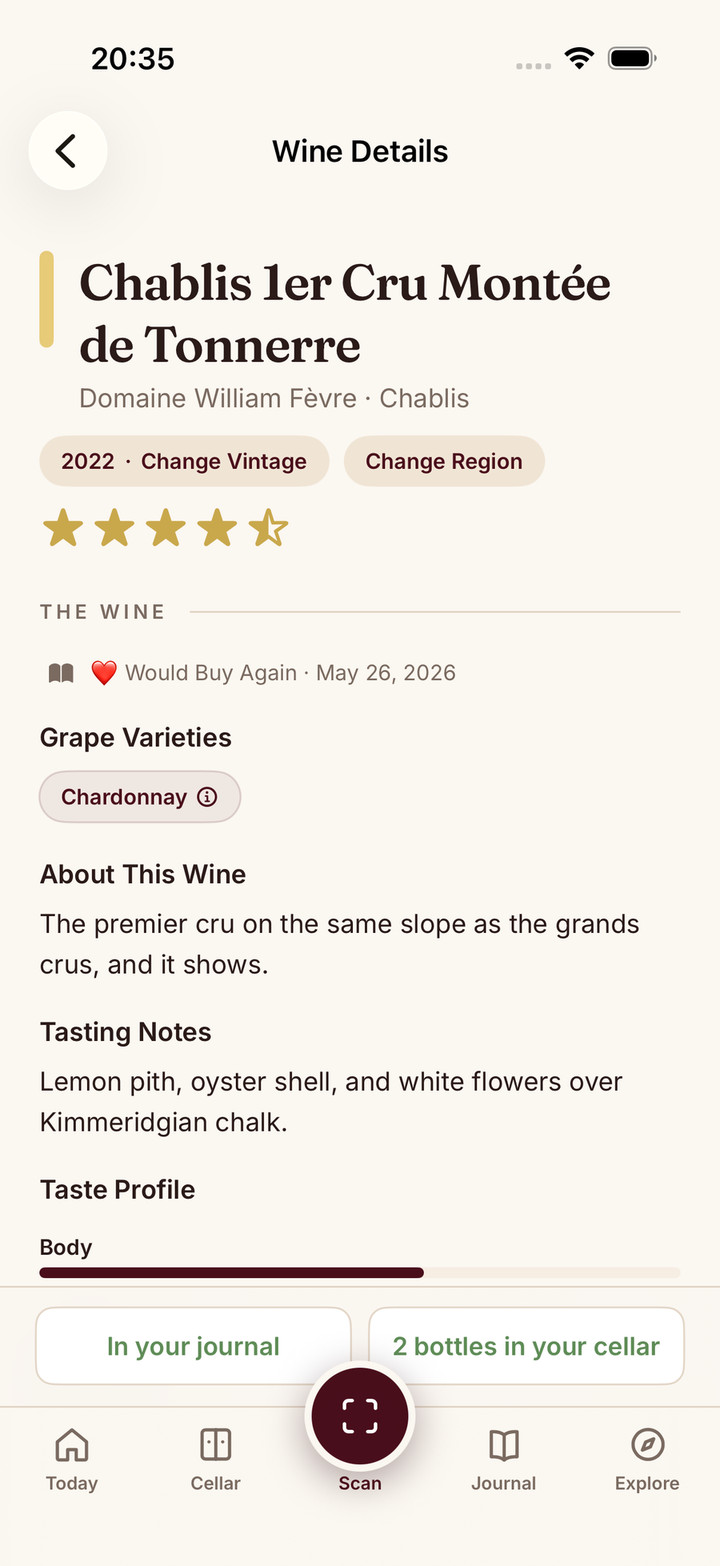
Wine match: Crisp white wine to cut the fat. Sancerre, Chablis, or a serious Riesling. The acidity is the key.
Pheasant Pairings
Pheasant is leaner and more elegant than duck or goose. The flavour is distinctive but more delicate, sitting closer to a particularly flavourful chicken than to dark game.
Roast Pheasant (Stuffed or Plain)
The classic British country dinner. Often wrapped in bacon to add fat (pheasant is naturally lean).
Wine match: Pinot Noir or Cru Beaujolais. The wine’s delicacy matches the bird’s. For something slightly more serious, a village-level Burgundy.
Producers: Faiveley Mercurey, Domaine Drouhin Oregon.
Alternative: A serious Loire Cabernet Franc (Chinon, Bourgueil). The wine’s herbal lift and red fruit work beautifully with pheasant.
Pheasant Casserole / Pie
Long-cooked with vegetables, often in red wine. Richer and more rustic than the roast.
Wine match: Côtes du Rhône Villages or a Bordeaux Supérieur. The wine needs to handle the depth of the dish without being too tannic.
Pheasant in Cream Sauce (Normandy Style)
Cream-based sauce, often with apple and Calvados.
Wine match: Aged white Burgundy or a serious Chenin Blanc from the Loire (Vouvray Sec). The cream sauce wants white wine with body.
Quail Pairings
Quail is the smallest and most delicate of the game birds. The flavour is gentle, the cooking time is short, and pairings should not overwhelm.
Grilled or Roasted Quail
Often served two or three per person.
Wine match: Light to medium-bodied Pinot Noir, Cru Beaujolais (especially Chiroubles or Fleurie), or a serious Frappato from Sicily. The wines that pair with delicate red meats work here too.
Quail with Grape or Fig Sauce
Mediterranean preparations often add a sweet element.
Wine match: Light Italian reds (Frappato, Cerasuolo di Vittoria, Etna Rosso). The Mediterranean wine matches the Mediterranean cooking.
Producers: COS Cerasuolo di Vittoria, Tenuta delle Terre Nere Etna Rosso.
Quail in Wine Sauce
Often cooked in white wine or Madeira.
Wine match: Match the wine in the dish where possible. A white Burgundy or a serious Chardonnay if the dish uses white wine; a fortified-leaning wine (aged Rioja Gran Reserva, mature Burgundy) if the dish uses Madeira.
Partridge and Other Small Game Birds
Partridge sits between quail and pheasant in flavour intensity. Most of the pheasant pairings apply, with slightly lighter wines.
Wine match: Light to medium-bodied Pinot Noir, Cru Beaujolais, light Spanish Garnacha, or a serious Loire Cabernet Franc.
Service Tips for Game Bird Dinners
A few details that elevate the pairing.
Decant the older bottles. A 15-year-old Bordeaux or Burgundy needs 30 to 60 minutes of air to open fully. Decant before serving.
Serve reds slightly cool. 16 to 18 degrees Celsius, not warm. Game bird dinners are often served in winter, in dining rooms that may be warmer than ideal. A cool wine reads as more elegant against the rich food.
Open a sparkling wine for the start. A glass of Champagne or quality Cava with the appetiser before the main lets you reset palate.
Pair the cheese course. If a cheese course follows, aged hard cheeses (Comté, Manchego, aged cheddar) pair beautifully with the same red you served with the main. Blue cheese works better with Sauternes or Port.
For occasion-specific guidance, see our Christmas wine guide and best Thanksgiving wines for 2026.
Building a Game Bird Cellar
If you cook game birds regularly, six bottles cover the territory.
- A serious Burgundy (Premier Cru or village) for duck breast, pheasant.
- A Cru Beaujolais (Morgon or Fleurie) for everyday duck dinners, quail.
- An aged Bordeaux (10+ years) for goose, festive dinners.
- A Châteauneuf-du-Pape for slow-cooked goose, duck confit.
- A serious off-dry Riesling (Mosel Spätlese) for duck à l’orange, Peking duck.
- A vintage Champagne or quality sparkling for openings and lighter quail starters.
This six-bottle cellar handles 90 percent of game bird dinners across the year. For broader cellar building, see how to build your first real wine cellar in 2026.
Common Mistakes
Three frequent missteps.
Pairing big Napa Cab with duck. The 14.5 percent alcohol and oak-heavy Cabernet style overwhelms duck. The combination feels heavy and tiring. Stick to Old World reds or cool-climate New World Pinot.
Underpouring the wine. Game bird dinners are slow meals. A 5 ounce pour with duck breast leaves the glass empty halfway through the main course. Plan to open one bottle per two people for a main course, plus what you serve at start and cheese.
Skipping the white wine option. Especially with duck confit or any preparation involving rich cream sauces, an aged white Burgundy or serious Riesling can outperform any red. Do not default to red just because it is meat.
Explore with Sommo
Game bird pairings are a category where structured tasting notes compound dramatically. The differences between, say, a Mercurey and a Marsannay with roast duck are subtle but real. Sommo lets you log each pairing with notes on what worked and what did not. After a year of game bird dinners, your record will tell you exactly which producers and bottles deliver for which preparations. The AI pairing suggestions also factor in your existing cellar, surfacing options you already own.
Download Sommo free and build a personal map of your best game bird pairings.