How to Host a Wine Tasting Party at Home
Skip the boring wine night. Here's everything you need to throw a wine tasting party that's fun, educational, and totally impressive without being pretentious.
“Bring a bottle” dinner parties are fine. But a wine tasting party? That’s an evening people talk about for months.
The best part: hosting one is easier than you think. You don’t need sommelier credentials or a temperature controlled cellar. You need a theme, some planning, and friends who like drinking wine and learning something new.
Here’s exactly how to pull it off.
Why Wine Tasting Parties Are Worth the Effort
A regular wine night is just drinking. A tasting party adds structure that makes the experience memorable:
- Everyone learns something. Even casual drinkers leave knowing more about wine.
- Conversation flows naturally. “What do you taste?” is an instant icebreaker.
- It’s surprisingly affordable. Split costs among guests, and everyone drinks better wine than they would alone.
- You look like a gracious, sophisticated host. Without actually being pretentious.
How to Choose a Theme (This Is the Secret)
A theme transforms random bottles into a coherent experience. It gives guests something to compare, contrast, and debate.
The “Same Grape, Different Places” Showdown
Pick one grape variety. Buy bottles from different regions. Watch minds get blown.
Example: Pinot Noir from Burgundy, Oregon, New Zealand, and California. Same grape, four completely different wines. This reveals how place shapes taste and is endlessly fascinating.
Works with: Chardonnay, Sauvignon Blanc, Syrah/Shiraz, Riesling.
The Blind Tasting Challenge
Cover the bottles with bags or foil. Number them. Let guests taste and guess.
Why it works: Preconceptions crumble. The wine snob confidently backs the cheapest bottle. The “I don’t know wine” friend nails the expensive one. Humbling and hilarious.
Pro tip: Include one obviously different wine as a confidence builder.
The Price Experiment
Buy five wines of the same type at different price points ($12, $20, $35, $50, $100). Can guests rank them by price?
Spoiler: Usually not. Which sparks great conversation about value and what you’re actually paying for.
The Vertical Tasting
Multiple vintages of the same wine. 2018, 2019, 2020, 2021 of a single producer’s Cabernet.
Challenge: Finding older vintages. Check auction sites, specialty retailers, or ask your local wine shop.
Reward: Understanding how wine evolves over time.
The Regional Deep Dive
Explore one wine region thoroughly. Four different Barolos. Five Spanish Riojas. Three Côtes du Rhône producers.
Perfect for: Groups ready to go deeper on a specific area.
How Many Wines and How Many People?
The sweet spot:
| Element | Recommended |
|---|---|
| Number of wines | 4 to 6 bottles |
| Guests | 8 to 12 people |
| Pour size | 2 to 3 oz per wine |
| Bottles needed | About 1 bottle per 3 guests |
Why these numbers work:
More than 6 wines leads to palate fatigue. Fewer than 4 doesn’t give enough to compare.
Fewer than 8 guests lacks energy. More than 12 becomes chaotic and makes focused tasting difficult.
Setting Up Your Tasting Station
The Table Setup
White background: Cover the table with white paper or a white tablecloth. This lets everyone properly evaluate wine color. (Yes, it matters.)
Glasses in rows: One glass per wine for each guest. Label or number them for blind tastings.
Leave space: Room to swirl without hitting your neighbor’s glass.
The Professional Touches
Spit buckets: Yes, real wine professionals spit. Provide pitchers or opaque cups for guests who want to pace themselves. This isn’t crude; it’s smart.
Water pitchers: For rinsing glasses between wines and staying hydrated.
Plain crackers or bread: Unsalted, unflavored. These neutralize the palate between wines. No cheese yet; that comes after.
Tasting Sheets (Optional but Great)
Create simple sheets where guests note impressions. Include:
- Wine number
- Color observations
- Aroma notes
- Taste impressions
- Personal rating (1 to 5 stars)
This encourages engagement and gives everyone a souvenir.
The Right Order (Don’t Skip This)
Wine order matters. Bold wines overwhelm delicate ones if tasted first.
The universal progression:
- Sparkling (if including)
- Light bodied white
- Full bodied white
- Rosé (if including)
- Light bodied red
- Full bodied red
- Sweet wine (to finish)
For single category tastings (all Cabernet, for example), go from lightest to boldest, youngest to oldest, or cheapest to most expensive.
Running the Actual Tasting
Pace Matters
5 to 10 minutes per wine minimum. Pour. Let everyone observe. Smell. Taste. Discuss. Then move on.
Rushing defeats the purpose. If conversation is flowing about a particular wine, let it.
Guide the Discussion
Open ended questions work best:
- “What’s the first thing you smell?”
- “How does this compare to the previous wine?”
- “Would you drink this on its own or with food?”
- “What would you pay for this?”
When to Reveal Information
Option A (recommended): Have everyone share impressions first. Then reveal the wine’s identity, region, grape, and price. This prevents bias.
Option B: Share information before tasting. Good for educational focus.
Keep It Inclusive
Not everyone needs to detect “notes of cassis and graphite with a hint of pencil shavings.” Some people pick up flavors easily. Others struggle. Both experiences are valid.
The goal is enjoyment and learning, not performance.
Food Strategy
During the Formal Tasting
Keep it minimal. The wine is the star.
- Plain bread or crackers
- Mild, young cheese (nothing pungent)
- Water
After the Tasting Ends
Now bring out the real food:
- Charcuterie board
- Aged and flavored cheeses
- Olives, nuts, dried fruit
- Whatever pairs with the evening’s wines
This transition signals the shift from focused tasting to relaxed socializing.
Budget Breakdown
Affordable approach: $15 to $25 per bottle average. Totally valid. Many excellent wines live in this range.
Mixed approach: $15 to $20 for most bottles, one splurge bottle at $50+. Creates contrast and excitement.
Shared cost approach: Each guest brings one bottle following the theme. Reduces individual expense, adds variety, and ensures buy in.
Per person cost reality: For 6 wines and 10 guests, spending $150 total ($25 average per bottle) means $15 per person. Less than dinner at a mediocre restaurant.
Common Mistakes (Avoid These)
Serving too many wines. Six wines tasted thoughtfully beats twelve wines tasted hurriedly. Quality over quantity.
Forgetting water. Hydration prevents hangovers and keeps palates fresh. Put pitchers everywhere.
Overfilling glasses. Tasting pours are small: 2 to 3 ounces. You’re appreciating, not chugging.
Being too rigid. If conversation takes off on an interesting tangent, let it. The social element matters as much as the wine.
Skipping the finale. End by asking everyone to name their favorite wine and why. This creates a memorable conclusion and helps people remember the evening.
Tech Enhancement
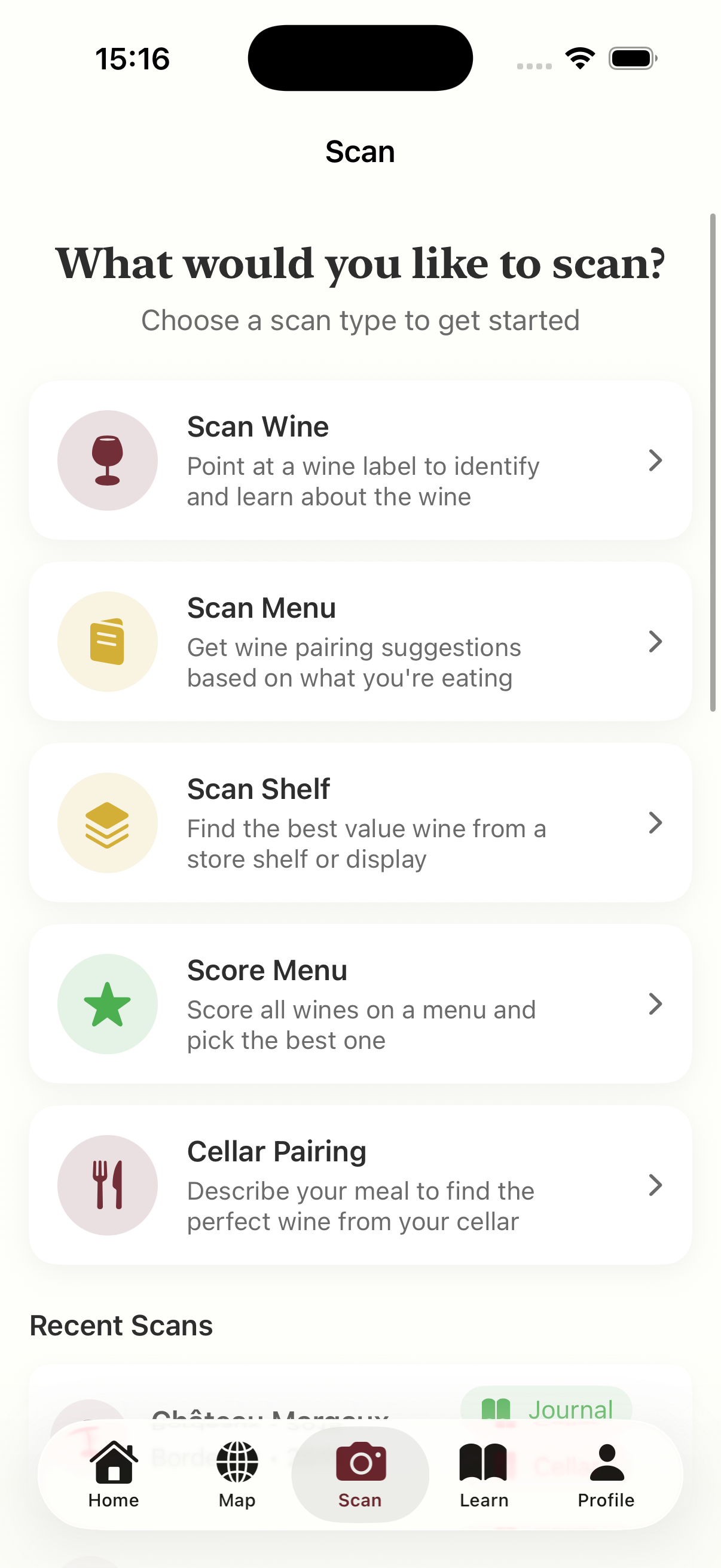
Use Sommo to scan each wine and display information on a TV or tablet. Everyone sees tasting notes, food pairings, and background information. It adds a professional touch without requiring you to research everything yourself.
Create a shared tasting group in Sommo where everyone logs their ratings. Comparing notes after the party extends the fun and creates a record of what you all tried.
The Day After
Send a follow up: Share photos and a list of the wines. Guests will appreciate having the names of bottles they loved.
Note what worked: Did the theme hit? Was the pace right? File these observations for next time.
Consider making it recurring: Monthly or quarterly tasting groups that rotate hosting duties become treasured traditions.
Wine tasting parties build knowledge, strengthen friendships, and create evenings people actually remember. Start planning yours.
Liked this read? Try the app.
Scan any wine label with AI, build your tasting journal, and learn wine your way.