Wine Storage Tips: Keep Your Bottles Perfect
Learn the key principles of proper wine storage to protect your collection. From temperature control to positioning, keep every bottle at its best.
Whether you’ve just started collecting wine or have a growing cellar, proper storage is essential to preserving the quality and character of your bottles. Poor storage conditions can turn a magnificent wine into an undrinkable disappointment within months. Let’s explore the key principles that will keep your wines in perfect condition.
Temperature: The Most Critical Factor
Wine’s greatest enemy is heat. High temperatures accelerate aging and can “cook” your red wine, leaving it flat and lifeless. Equally damaging are temperature fluctuations, which cause the wine to expand and contract, potentially compromising the seal.
The ideal storage temperature is between 12-14°C (54-57°F). However, consistency matters more than hitting an exact number. A steady 15°C is far better than temperatures swinging between 10°C and 18°C.
If you don’t have a dedicated wine fridge or cellar, find the coolest, most stable spot in your home. Avoid:
- The kitchen (too warm and variable)
- Near windows or radiators
- Garages with extreme seasonal changes
Humidity Matters More Than You Think
Proper humidity prevents corks from drying out. A dried cork shrinks, allowing air to seep in and oxidize the wine. Aim for 60-70% relative humidity in your storage area.
Too dry? Place a bowl of water nearby or use a small humidifier. Too humid? While less problematic for the wine itself, excessive moisture can damage labels and encourage mold growth.
Store Bottles Horizontally
For wines sealed with natural cork, horizontal storage is essential. This keeps the cork moist from the inside, maintaining a proper seal. When corks dry out, they become brittle and allow oxygen to enter the bottle.
Exceptions to the horizontal rule:
- Wines with screw caps or synthetic corks can be stored upright
- Sparkling wines can be stored upright for short periods (the internal pressure keeps corks moist)
- Wines you’ll drink within a few weeks don’t need horizontal storage
Protect From Light
Light, especially UV rays, degrades wine by breaking down the organic compounds that give wine its flavor and aroma. This is why many wines come in dark green or brown bottles – but that protection isn’t foolproof.
Store your wines in darkness or use solid cabinet doors. Even fluorescent lighting can cause damage over extended periods. If you’re proud of your collection and want it on display, consider UV-filtering glass or keep your best bottles tucked away safely.
Minimize Vibration
Constant vibration disturbs the sediment in wine and may affect the aging process by accelerating chemical reactions. While the science is still debated, it’s best to err on the side of caution.
Avoid storing wine:
- Near washing machines or dryers
- On top of refrigerators
- Near heavy foot traffic areas
- Close to audio equipment or speakers
Know What to Store and For How Long
Here’s a truth many new collectors overlook: most wines are meant to be enjoyed young. The vast majority of wines produced today should be consumed within 1-3 years of purchase.
Wines that benefit from aging typically have:
- High tannin content (like Cabernet Sauvignon or Nebbiolo)
- High acidity (like quality Riesling or Chenin Blanc)
- High-quality winemaking and vintage
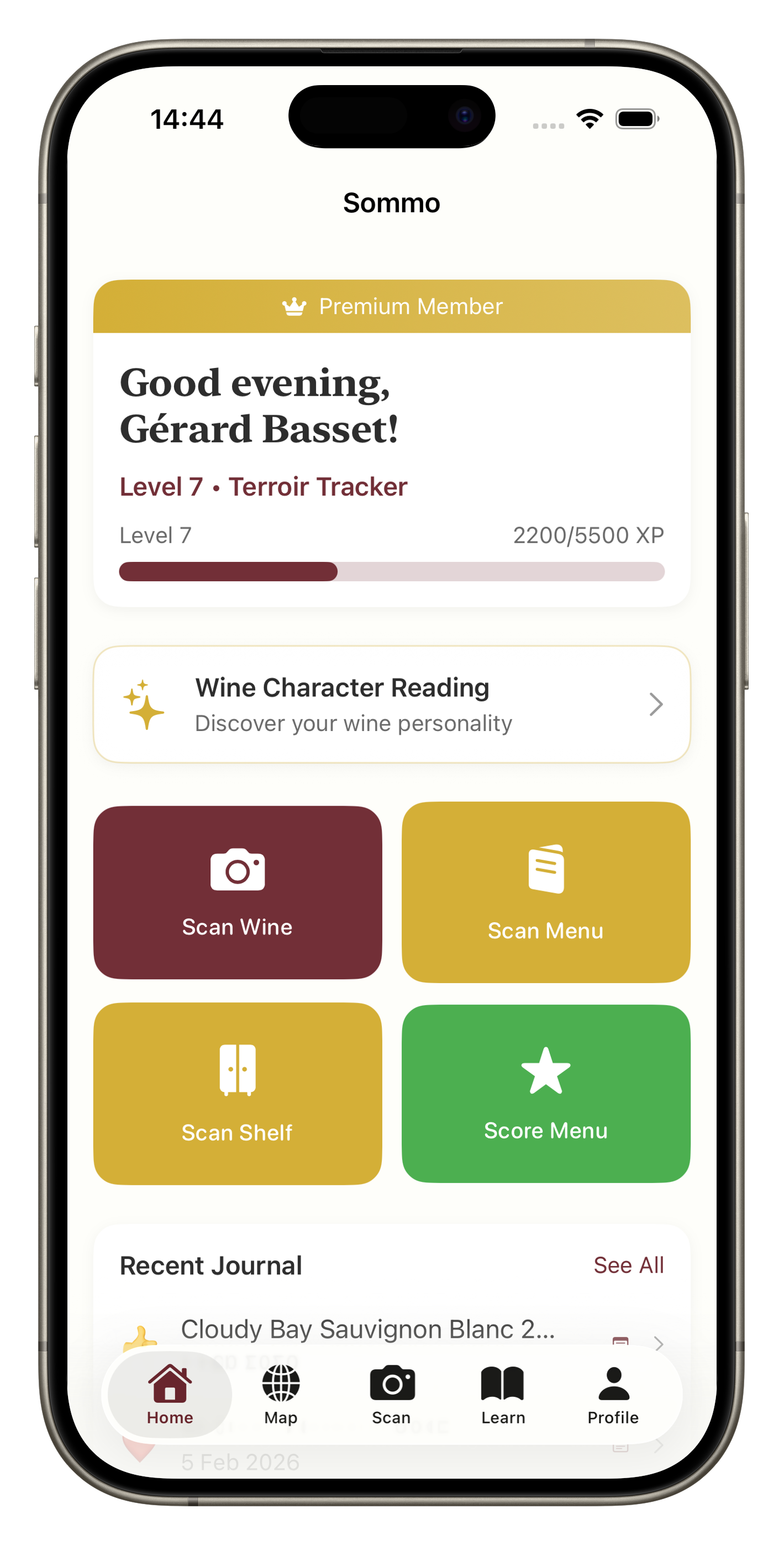
When in doubt, use Sommo to scan a wine label – you’ll get insights into the ideal drinking window and whether a wine is worth cellaring.
Practical Storage Solutions
Not everyone has space for a wine cellar. Here are realistic options:
Wine Refrigerator
A dedicated wine fridge offers temperature and humidity control in a compact space. Models range from 6-bottle countertop units to 200+ bottle cabinets. It’s the most reliable option for serious collectors.
Closet Conversion
An interior closet away from exterior walls can maintain stable temperatures. Add a small thermometer to monitor conditions.
Under-Stair Storage
Often naturally cool and dark, this underutilized space can make an excellent wine storage area with some simple shelving.
Professional Storage
For valuable collections, off-site wine storage facilities offer ideal conditions and insurance coverage.
Quick Reference Guide
| Factor | Ideal Condition |
|---|---|
| Temperature | 12-14°C (54-57°F) |
| Humidity | 60-70% |
| Light | Darkness or minimal exposure |
| Position | Horizontal for corked wines |
| Vibration | Minimal to none |
Track Your Collection
As your collection grows, keeping track of what you have and when to drink it becomes essential. Use Sommo’s wine journal to log every bottle, including where it’s stored and its ideal drinking window. You’ll never forget about a hidden gem or miss the perfect moment to open a special bottle.
Proper wine storage doesn’t require a fortune or a French chateau. With attention to a few key factors and some smart solutions, you can protect your wines and ensure every bottle delivers the experience it was meant to provide.
Photo by Joao Vitor Marcilio on Unsplash