Wine Serving Temperature Guide: Reds, Whites, and Sparkling
Serving wine at the wrong temperature is the easiest mistake to make and the easiest to fix. Here's a practical guide to getting it right for every type of wine.
Temperature is the single most impactful variable you can control when serving wine, and most people get it wrong. White wines served ice-cold lose their aromas. Red wines at room temperature taste flabby and alcoholic. Getting the temperature right costs nothing and dramatically improves every bottle you open.
Here’s the practical guide.
Why Temperature Matters
Wine is a complex solution of water, alcohol, acids, sugars, tannins, and hundreds of volatile aromatic compounds. Temperature affects how all of these interact:
Too cold: Aromas are suppressed (volatile compounds don’t evaporate as readily), tannins feel harsher, and flavours taste muted. A great wine at 4°C tastes like an average one.
Too warm: Alcohol becomes prominent and burns on the palate, acidity feels flabby, tannins can seem aggressive, and the wine tastes soupy and unstructured. A great wine at 24°C tastes worse than a mediocre one at the right temperature.
Just right: Aromas are expressive, acidity is balanced, tannins are smooth, and the wine shows its true character.
The Complete Temperature Guide
Sparkling Wines (6-8°C / 43-46°F)
| Wine | Temp | Notes |
|---|---|---|
| Non-vintage Champagne | 6-8°C | Colder preserves fizz and freshness |
| Vintage/Prestige Champagne | 8-10°C | Slightly warmer reveals complexity |
| Prosecco | 6-8°C | Cold, simple, refreshing |
| Cava | 6-8°C | Similar to Prosecco |
| Crémant | 6-8°C | Treat like non-vintage Champagne |
How to chill: 2-3 hours in the fridge, or 20-30 minutes in an ice bucket (half ice, half water – this is faster than the fridge). Don’t put wine in the freezer unless you’re watching it closely.
Light, Crisp White Wines (7-10°C / 45-50°F)
| Wine | Temp | Notes |
|---|---|---|
| Sauvignon Blanc | 7-9°C | Bright acidity and citrus shine when cold |
| Pinot Grigio | 7-9°C | Crispness is the point |
| Vinho Verde | 7-8°C | Serve very cold; it’s designed for it |
| Albariño | 8-10°C | Slightly warmer to show aromatic complexity |
| Muscadet | 7-9°C | Cold enhances its saline, mineral character |
Aromatic White Wines (8-12°C / 46-54°F)
| Wine | Temp | Notes |
|---|---|---|
| Riesling (dry) | 8-10°C | Cold enough for freshness, warm enough for aromatics |
| Riesling (sweet) | 6-8°C | Colder balances the sweetness |
| Gewürztraminer | 10-12°C | Warmer to let the perfume bloom |
| Viognier | 10-12°C | Needs warmth to express its exotic character |
| Torrontés | 8-10°C | Balance between freshness and floral notes |
Rich, Full-Bodied White Wines (10-13°C / 50-55°F)
| Wine | Temp | Notes |
|---|---|---|
| Oaked Chardonnay | 10-13°C | Warmer reveals the complexity and texture |
| White Burgundy | 11-13°C | Don’t overchill – you’ll miss the nuance |
| White Rhône (Roussanne, Marsanne) | 10-12°C | Rich wines need room to breathe |
| Aged white wines | 12-14°C | More warmth shows developed flavours |
Rosé Wines (8-12°C / 46-54°F)
| Wine | Temp | Notes |
|---|---|---|
| Provence rosé | 8-10°C | Light and refreshing, serve well chilled |
| Darker/fuller rosé | 10-12°C | More body means slightly warmer |
| Tavel | 10-12°C | The most serious rosé; don’t overchill |
Light Red Wines (12-15°C / 54-59°F)
| Wine | Temp | Notes |
|---|---|---|
| Beaujolais (Gamay) | 12-14°C | Lightly chilled brings out the fruit |
| Pinot Noir (lighter styles) | 14-16°C | Subtle aromas need gentle warmth |
| Valpolicella (non-Amarone) | 13-15°C | Fresh and fruity when slightly cool |
| Loire reds (Cabernet Franc) | 13-15°C | Serve cool to enhance their elegance |
Medium-Bodied Red Wines (15-17°C / 59-63°F)
| Wine | Temp | Notes |
|---|---|---|
| Merlot | 15-17°C | Smooth and approachable at this range |
| Sangiovese / Chianti | 16-18°C | Acidity stays fresh, tannins stay smooth |
| Tempranillo / Rioja | 16-18°C | Allows oak and fruit to balance |
| Red Burgundy (serious) | 15-17°C | Don’t serve Pinot too warm |
| Malbec | 16-18°C | Plush fruit stays in balance |
Full-Bodied Red Wines (16-18°C / 61-64°F)
| Wine | Temp | Notes |
|---|---|---|
| Cabernet Sauvignon | 16-18°C | Tannins integrate, fruit opens up |
| Syrah / Shiraz | 16-18°C | Warmth enhances spice and dark fruit |
| Barolo / Barbaresco | 16-18°C | Complex wines need warmth to express |
| Bordeaux | 16-18°C | Structure and aromatics in balance |
| Amarone | 16-18°C | Rich wine; too warm makes it cloying |
Fortified Wines
| Wine | Temp | Notes |
|---|---|---|
| Tawny Port | 12-14°C | Slightly chilled brings out caramel notes |
| Ruby/Vintage Port | 16-18°C | Treat like a full-bodied red |
| Fino/Manzanilla Sherry | 6-8°C | Serve cold like a white wine |
| Oloroso Sherry | 12-14°C | Warmer than Fino, cooler than reds |
| Sweet Sherry (PX) | 8-10°C | Cold balances the intense sweetness |
The “Room Temperature” Myth
When people say red wine should be served at “room temperature,” they’re referencing a rule from centuries ago, when European rooms were around 15-17°C. Modern homes with central heating sit at 20-23°C, which is far too warm for any wine.
If your reds are stored at room temperature, give them 15-20 minutes in the fridge before serving. This small step makes a bigger difference than any other thing you can do to improve a wine’s taste at home.
Practical Tips
Cooling Wine Down
- Ice bucket (ice + water): Fastest method. 15-20 minutes for whites, 10-15 for reds
- Fridge: 2-3 hours for whites from room temp, 15-20 minutes for reds
- Freezer: Emergency option. Set a timer for 20-25 minutes and don’t forget it (frozen wine expands and can break the bottle)
- Frozen grape trick: Drop frozen grapes into the glass. They chill without diluting like ice cubes
Warming Wine Up
- Cup your hands around the glass: Body heat warms wine gently
- Let it sit: Wine in a glass warms about 1°C every 3-4 minutes at room temperature
- Never microwave or run hot water over the bottle: The temperature shock damages the wine
The Quick Check
Don’t have a thermometer? Use feel:
- Sparkling and light whites: Should feel noticeably cold to the touch
- Rich whites and rosé: Cool but not cold
- Light reds: Slightly below room temp; the glass should feel barely cool
- Full reds: Cellar temperature; not warm to the touch
One Rule That Covers Almost Everything
If you remember nothing else: whites come out of the fridge 15 minutes before serving; reds go in the fridge 15 minutes before serving. This single adjustment gets most wines into the right range.
Temperature won’t turn a bad wine into a good one, but it will absolutely turn a good wine into a great experience. It’s the simplest, cheapest upgrade you can make to your wine drinking.
Use Sommo’s tasting notes to track how temperature affects the wines you try – you might be surprised how much difference a few degrees make.
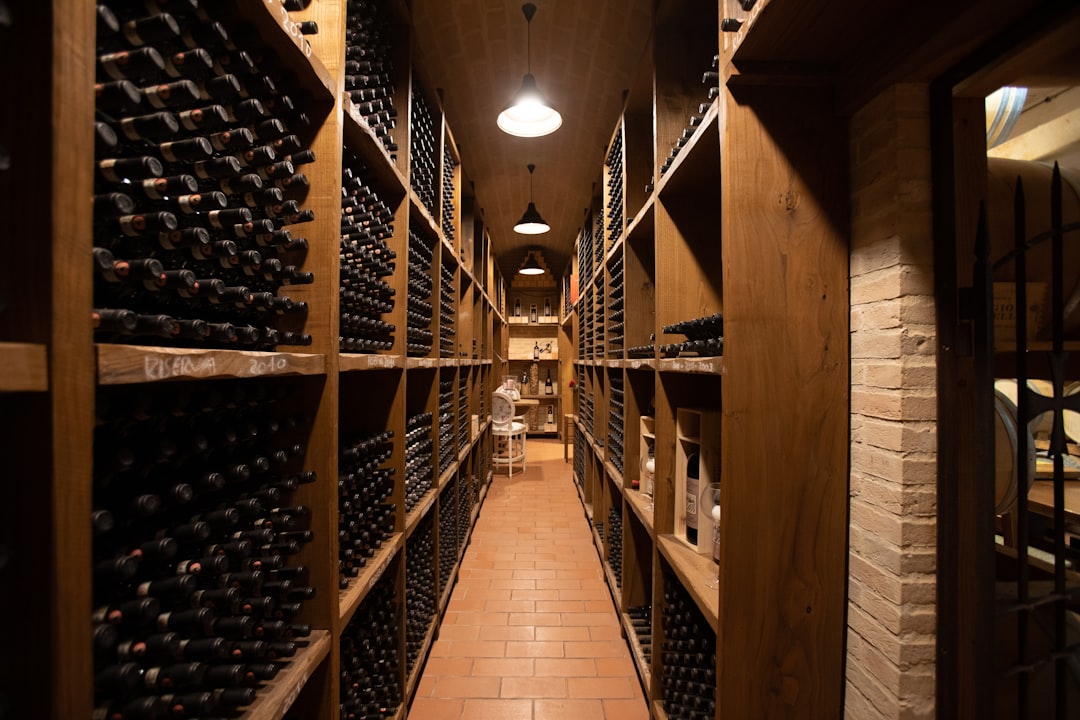
Photo by Matt Twyman on Unsplash