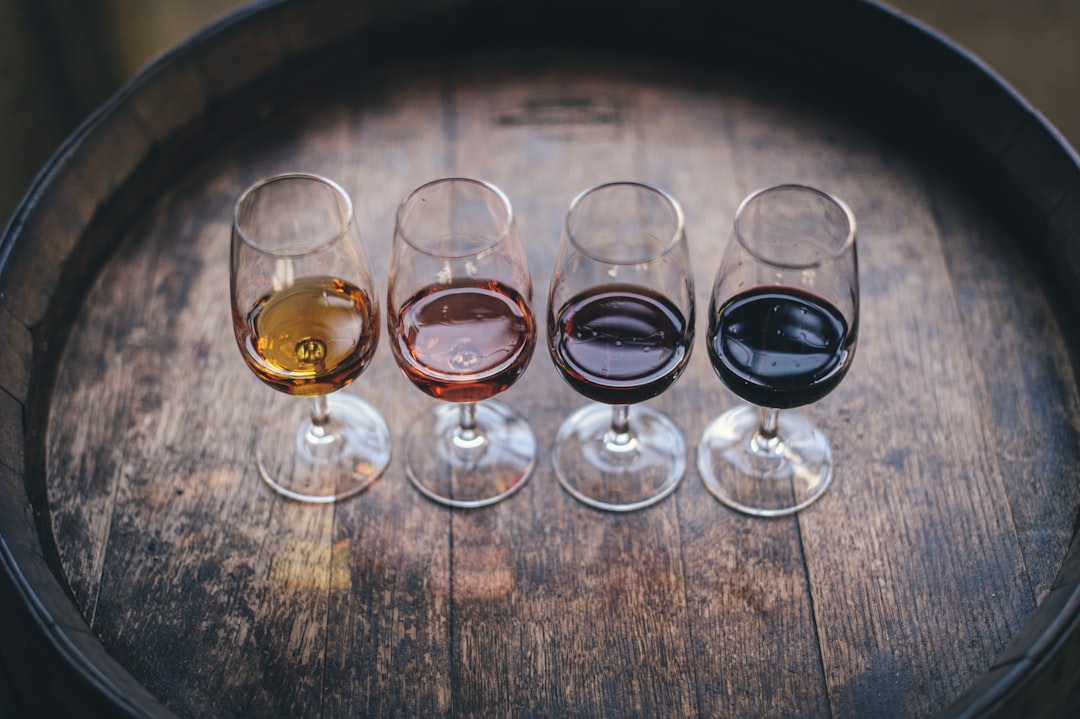
Serve from lighter and drier towards fuller and sweeter, but let the food lead. A useful dinner-party sequence is a small, crisp welcome pour; a wine for the starter; a more substantial wine for the main; then a sweet wine only if dessert needs one. You do not need four bottles for four stages. One versatile wine may cover two courses better than an elaborate lineup.
The order is about protecting the delicate wine from being drowned out by what came before. It is not a rule that all whites must precede all reds. WSET’s Level 3 wine specification treats sequence of service and food matching as related choices, which is how a host should think about them.
Build a sequence from the menu
| Moment | A sensible first choice | Reason |
|---|---|---|
| Guests arrive | Dry sparkling wine or a light crisp white | Refreshing before food; a small pour leaves room for the meal. |
| Light starter | White, rosé or delicate red to match the plate | Let the starter’s dressing, fat and intensity decide. |
| Main course | Richer white or more structured red | Increase weight only if the dish does too. |
| Dessert | Wine as sweet as the dessert, or no wine | Sweet food can make a dry wine seem sour or bitter. |
If the starter is mushroom pâté and the main is roast fish with lemon, a light red before a crisp white may be perfectly sensible. Serving colour in the “wrong” order is less damaging than pairing the wrong wine with the dish. Our aperitif wine guide helps choose the first glass, while the serving-temperature guide helps both bottles taste as intended.
Keep the practical part simple
Chill the welcome bottle before guests arrive and have the main-course bottle ready at an appropriate temperature. Open a young red shortly before serving; an older wine with sediment may need careful handling, not a theatrical decant by default. Put water on the table and offer alcohol-free choices at each stage, not only on arrival.
Pour modestly. You can always refill a glass, but a full glass of the first wine can make the next course feel like an obligation. If you plan a deliberate side-by-side tasting, that is a different event: our wine flights guide explains how to order several small pours for comparison.
Three exceptions worth remembering
A powerful starter: A rich cheese or deeply spiced first course may need a fuller wine than a delicate main. Match each plate rather than forcing a rising ladder.
Sweetness before dessert: Some savoury dishes with chilli benefit from an off-dry wine. You can still return to a dry wine later, but give guests water and food between pours because the dry wine may seem sharper at first.
One bottle for the table: If you have one good, flexible wine, serve it with the courses it suits and skip the rest. Hosting is not an examination. A glass that helps conversation is a better choice than a technically perfect sequence nobody enjoys.
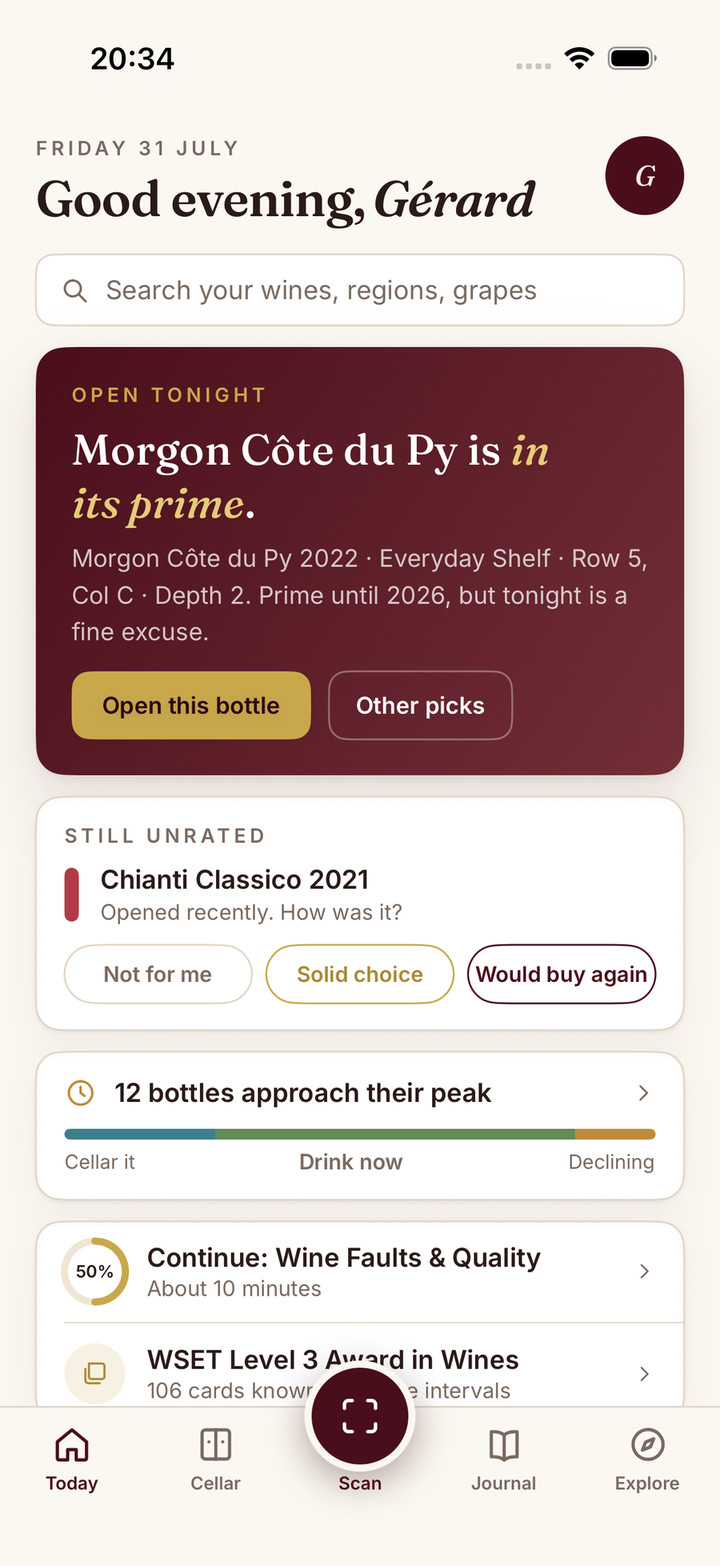
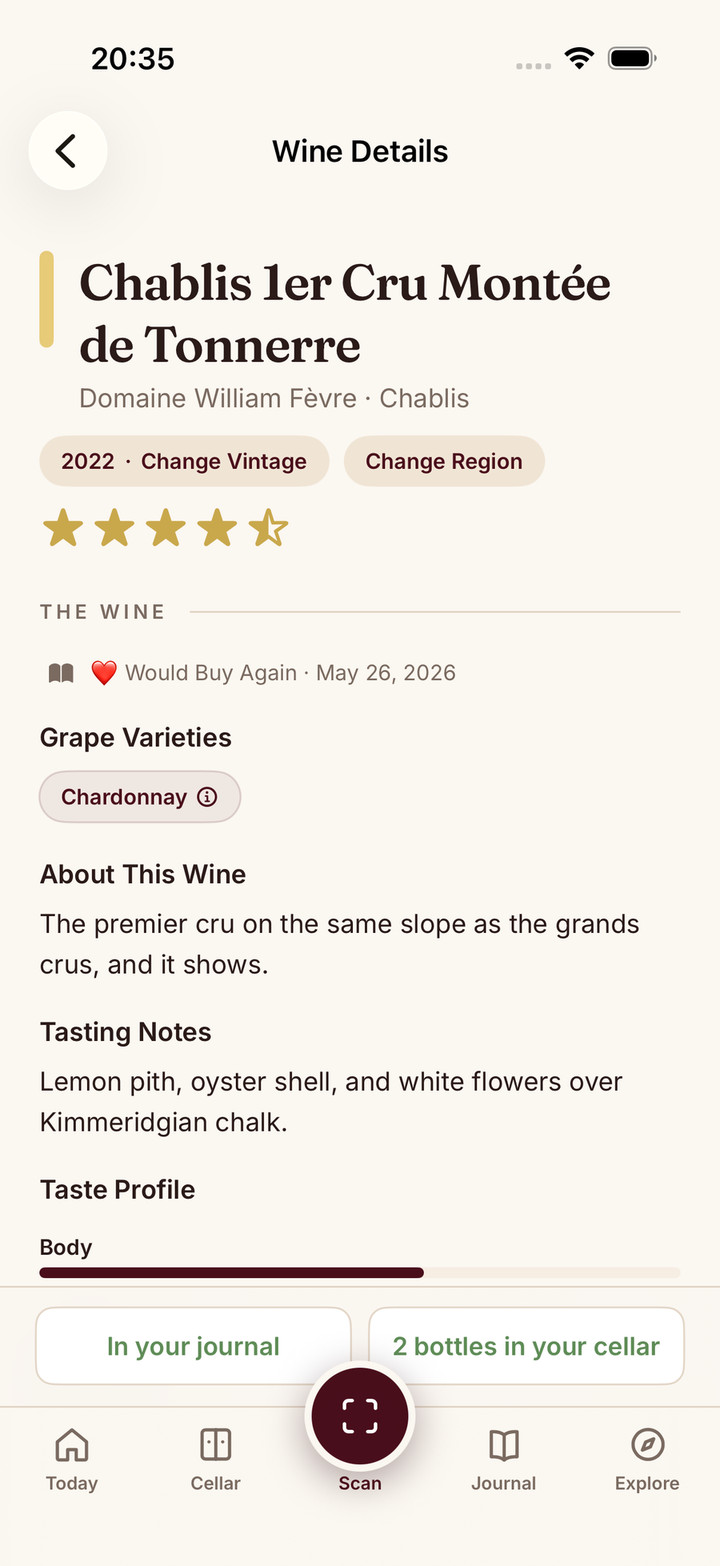
Sommo can help you record which bottle worked with each course, so the next dinner starts with experience rather than guesswork. Keep the actual menu in the note; “great Pinot Noir” is less useful than “worked with mushroom starter, not with lemon fish”.
Download Sommo and make your next dinner easier to plan.