Wine Scores Explained: What 90 Points Really Mean (And When to Ignore Them)
A 93-point Wine Spectator score sounds definitive, but is it? Learn exactly how the 100-point scale works, who assigns the scores, and when a number means nothing at all.
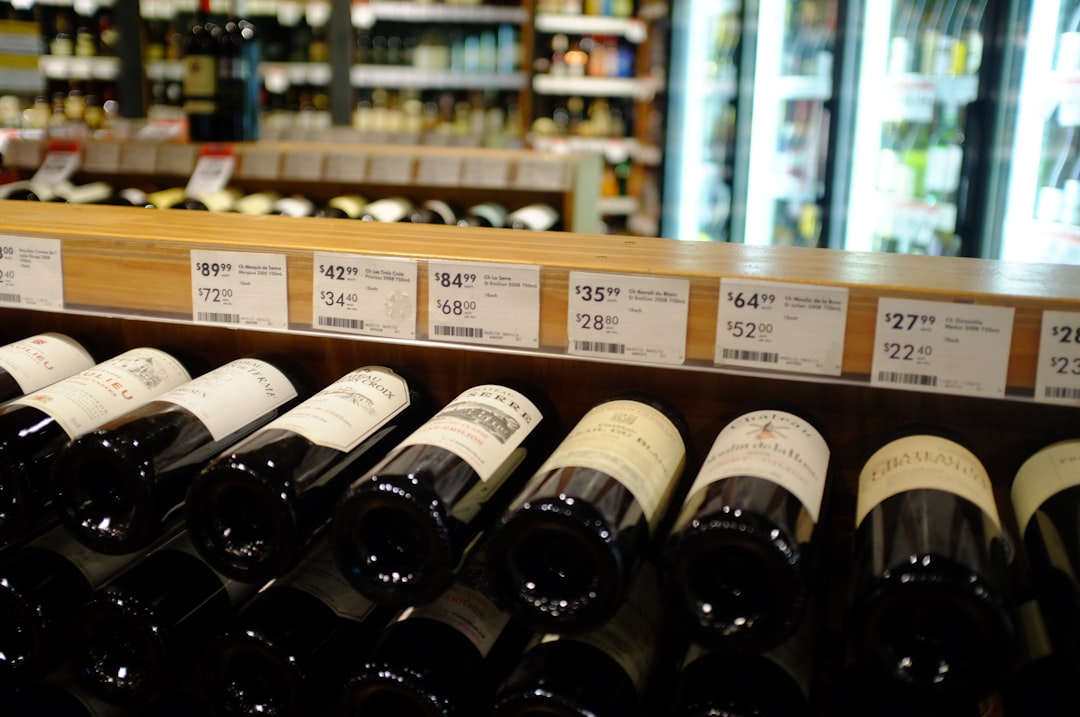
“93 points from Wine Spectator!” “Robert Parker 95!” The shelf talker screams at you. That number supposedly tells you everything.
But does it?
Wine scores dominate how wine is marketed, priced, and sold. They influence what shops stock and what consumers buy. Yet most people have no idea what these numbers actually mean, who assigns them, or whether they should trust them.
Here’s the insider’s guide to wine ratings: how they work, when they’re useful, and when you should ignore them completely.
How the 100 Point Scale Actually Works
The 100 point scale seems straightforward until you realize that nothing below 80 gets published.
In practice, it’s really a 20 point scale:
| Score | What It Supposedly Means |
|---|---|
| 96 to 100 | Extraordinary, one of the best ever |
| 93 to 95 | Outstanding, highly recommended |
| 90 to 92 | Excellent quality, strong recommendation |
| 87 to 89 | Very good, minor reservations |
| 84 to 86 | Good, solid but unexciting |
| 80 to 83 | Acceptable, no significant flaws |
| Below 80 | Rarely published (protects advertisers?) |
Here’s the problem: the meaningful action happens in a 10 point band from 87 to 97. Most reviewed wines cluster between 88 and 94. The difference between an 89 and a 91 is tiny, yet the price difference can be significant.
Who’s Actually Scoring These Wines?
Robert Parker / Wine Advocate
The godfather of the 100 point scale. Parker essentially invented modern wine criticism. His preferences shaped winemaking globally: bold, ripe, extracted wines scored higher. The “Parker effect” made and broke careers.
He’s now retired, but Wine Advocate continues with a team of critics.
Known for: Loving big, concentrated wines. Especially strong on Bordeaux, California, and Rhône.
Wine Spectator
The most widely read wine publication. Their annual Top 100 list drives enormous sales and shapes what casual consumers buy.
Known for: Broad coverage, somewhat more accessible than Wine Advocate.
James Suckling
Known for generous scoring. His ratings trend higher than other critics, sometimes frustrating consumers who expect calibrated scores.
Known for: Italian wines especially. Very active social media presence.
Vinous (Antonio Galloni)
The former Wine Advocate reviewer started his own publication. Known for detailed, thoughtful reviews with specific vineyard and technical information.
Known for: Nuance and depth. Burgundy, Piedmont, and Champagne coverage.
Jancis Robinson
British critic who uses a 20 point scale instead of 100. More conservative with scores, which some find refreshing and others find frustrating.
Known for: Global breadth, intellectual approach, less flashy than American critics.
Decanter
British magazine with a panel tasting system. Medals rather than scores for many reviews.
Known for: European perspective, broad international coverage.
Why Wine Scores Are Problematic
It’s One Person’s Opinion
A wine score represents one taster’s impression at one moment in time. Wine evolves in the bottle. Taster preferences vary. Context affects perception.
Different critics routinely score the same wine 5+ points apart. Which one is “right”?
Style Bias Is Real
Critics have preferences. Parker famously loved concentrated, oaky, powerful wines. Lighter, more elegant wines often scored lower, regardless of quality.
If a critic’s palate doesn’t match yours, their scores won’t predict your enjoyment.
The Compression Problem
Almost everything reviewed falls between 85 and 96. Is the practical difference between 89 and 91 meaningful? Probably not. But the price difference often is.
Tasting Conditions Vary
Was the wine tasted blind or knowing what it was? Studies show that knowing a wine is expensive biases scores upward. Was it tasted with food? In what order? All these factors affect perception.
Publication Incentives
Magazines that accept advertising from wine companies face obvious conflicts of interest. Critics deny this affects scores. Draw your own conclusions.
When Wine Scores Actually Help
Despite the problems, scores have legitimate uses:
Filtering Vast Options
Standing in a store with 500 bottles? Scores help narrow choices. A 92 point wine is probably at least pretty good.
Identifying Value
When a $25 wine scores similarly to a $75 bottle, you’ve found something interesting. Scores help spot overperformers.
Tracking Critics You Trust
If you’ve found a critic whose palate matches yours, their scores become personally useful. The absolute number matters less than consistent alignment.
Understanding Vintages
Scores can indicate whether a particular year was successful in a region. A vintage chart based on aggregated scores gives useful information.
When to Ignore Scores Completely
Your Palate Overrides Everything
You don’t like heavily oaked Chardonnay? A 96 point oaky Chardonnay will still taste like something you don’t enjoy. No score changes your preferences.
Food Pairing Context
A “lesser” wine that pairs perfectly with dinner might deliver more pleasure than a trophy bottle that fights your food.
Diminishing Returns
The jump from 88 to 93 might cost 3x as much. Is it 3x better? Almost certainly not.
Everyday Drinking
You don’t need a 94 point wine for Tuesday night pasta. An 86 point bottle at the right price might be exactly right.
Personal Discovery
If you only drink highly rated wines, you’ll miss interesting, quirky bottles that don’t fit critics’ preferences.
A Smarter Approach to Scores
Use scores as starting points, not destinations. They narrow options, not determine choices.
Read tasting notes, not just numbers. “Ripe blackberry, vanilla oak, full bodied” tells you more than “92 points.”
Find your critic. Track which critic’s favorites become your favorites. Then follow their recommendations more closely.
Build your own database. Note what you like and don’t like. Your personal rating system becomes more valuable than any publication.
Cross reference. If three critics all love the same wine, that’s more informative than one 95 point score.
Build Your Own Rating System
Here’s the truth: your own notes about wines you’ve tried are more valuable than any critic’s opinion.
Sommo lets you track every wine you taste. Record your reactions. Note what worked and what didn’t. Over time, patterns emerge: you like wines from certain regions, certain grapes, certain producers.
That personal database outperforms any critic’s scores because it’s calibrated to you.
Stop outsourcing your taste to strangers with different preferences. Use scores as tools, not authorities. And trust what your own palate tells you.
Liked this read? Try the app.
Scan any wine label with AI, build your tasting journal, and learn wine your way.