Wine pairing has a reputation for being fussy, full of rules that only a sommelier could love. Most of them you can forget. A handful genuinely work, and once they click, you can match almost any dish with confidence. Here are the five worth keeping.
1. Match the weight
The single most useful rule: pair light with light and rich with rich. A delicate sole wants a crisp, light white; a slow-cooked lamb shoulder wants a full-bodied red. When the weights match, neither the food nor the wine bullies the other.
Get this one right and you are most of the way there, even before you think about specific grapes.
2. Acidity is your friend
Acidity cuts through fat and richness the way a squeeze of lemon lifts a rich dish. A high-acid wine such as Sauvignon Blanc, Chablis or Chianti refreshes the palate between bites of anything creamy, fried or fatty. This is why a sharp white works so well with cheese and why tomato-based pasta loves an acidic Italian red.
If a dish feels heavy, reach for acidity.
3. Tannin loves protein and fat
Tannin, the drying grip in bold reds like Cabernet Sauvignon, softens against protein and fat. That is the science behind steak and red wine: the fat and protein tame the tannins, and the wine feels smoother for it. Serve that same big red with a light salad and it will taste harsh and bitter.
Rich, fatty meat is where structured reds belong.
4. Sweetness matches sweetness
A dessert wine should be at least as sweet as the pudding, or the wine tastes thin and sour by comparison. The same logic applies earlier in the meal: an off-dry Riesling is superb with spicy food because its touch of sweetness calms the heat. When sugar is on the plate, put a little in the glass.
5. If it grows together, it goes together
Regional matches are reliable for a reason: local wine evolved alongside local food. Sangiovese with Tuscan tomato sauces, Muscadet with Atlantic oysters, Rioja with roast lamb. When you are stuck, ask what they drink where the dish comes from and start there.
When you want a match, not a lecture
These rules cover the thinking. When you just want an answer for tonight, our free pairing finder takes the dish and suggests wine styles that work, with a short line on why. It is the fast version of everything above.
For the deeper theory, our full guide on how to pair wine with food walks through each principle in turn. And if you fancy testing yourself, the WSET Level 2 food pairing quiz covers the same principles the professionals are examined on.
Trust your own palate
The last rule beats all the others: if a pairing tastes good to you, it is a good pairing. These guidelines exist to point you in a promising direction, not to police your dinner. Break them cheerfully once you know why they are there.
Explore with Sommo
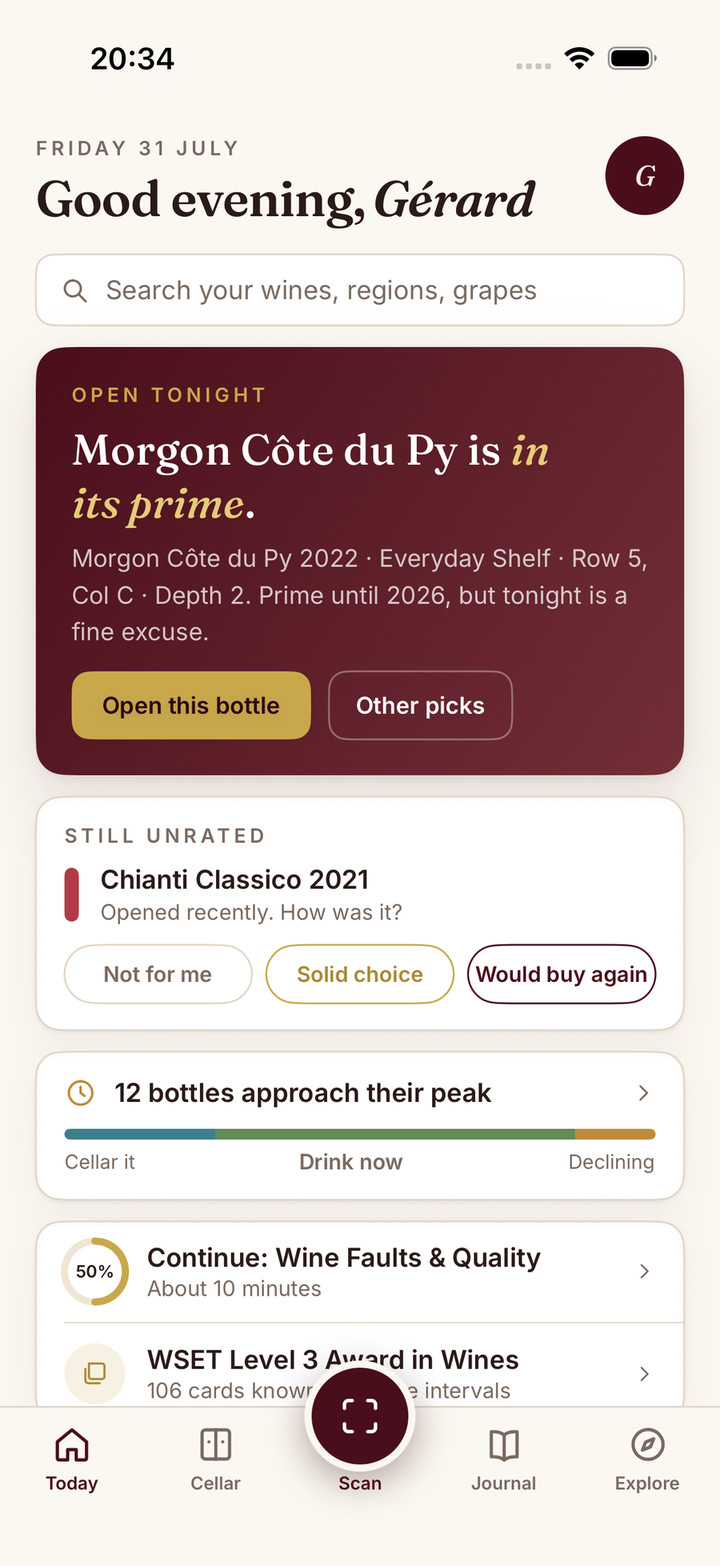
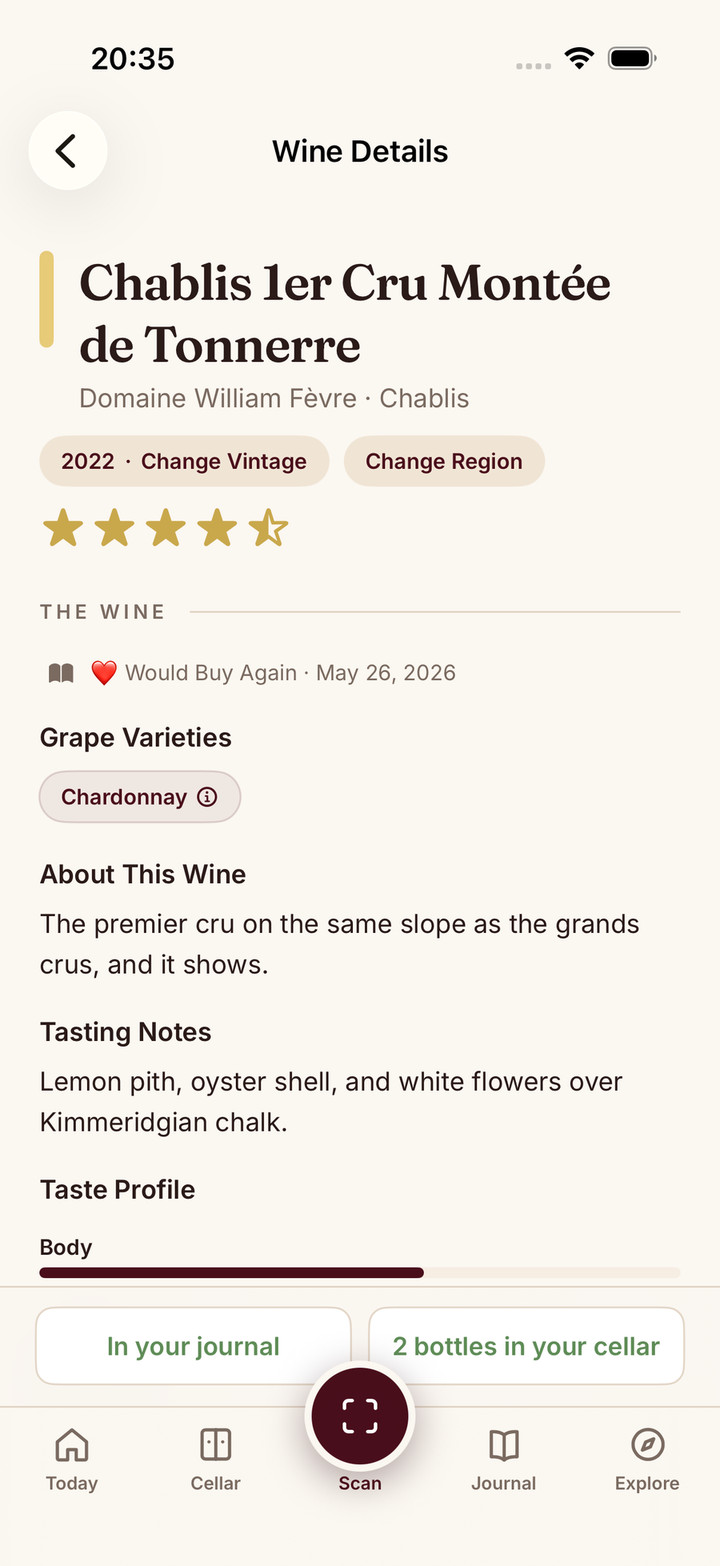
Sommo can pair the bottles you already own with tonight’s dinner, reasoning included, so you are choosing from your own rack rather than starting from scratch.
Download Sommo free and let it match your cellar to the meal. 🍷