Does Wine Glass Shape Really Matter?
Riedel wants you to buy 12 different glasses. Here's the truth about wine glass shapes, the only 3 you actually need, and when any glass will do just fine.
The glassware industry would love you to believe that you need a different glass for Riesling, Sauvignon Blanc, Chardonnay, oaky Chardonnay, unoaked Chardonnay, and probably one specifically for Tuesdays.
It’s marketing genius. It’s also mostly unnecessary.
Here’s what actually matters about wine glasses, what the science says, and exactly how many you need to buy.
Does Glass Shape Actually Affect Wine? (The Science)
Yes. But probably less than glassware companies claim.
The Aroma Factor
Different bowl shapes direct aromas toward your nose in different ways. A wider bowl increases the wine’s surface area, releasing more aromatic compounds. The rim shape then channels those aromas either broadly toward your whole face or narrowly toward your nostrils.
Since 80% or more of what we perceive as “taste” actually comes from smell, this matters.
The Temperature Factor
Stems exist for a reason. Holding the bowl transfers body heat to the wine. For whites and sparkling wines that should stay cold, this is a problem. The stem keeps your warm hands away from the drink.
The Flow Factor
Different rim shapes deliver wine to different parts of your tongue first. A narrow opening concentrates the pour toward the center of your tongue; a wider rim spreads it across your palate.
The Swirl Factor
Larger bowls give you room to swirl without spilling. Swirling introduces oxygen, which softens tannins and releases aromatics.
Bottom line: Glass shape creates real differences. But the differences are subtle, and most people won’t notice them outside of a controlled tasting environment.
The Only 3 Wine Glasses You Actually Need
Forget varietal specific glasses. Here’s what covers 95% of wine drinking situations:
1. A Universal Wine Glass
What it is: Medium sized bowl with a slight taper toward the rim. Works for both reds and whites.
Why it works: The shape is a compromise that serves most wines reasonably well. It has enough bowl to release aromatics but not so much that delicate wines get lost.
When to use: Every Tuesday night bottle. Everyday drinking. Parties where you’re not analyzing wine, just enjoying it.
Buy: 6 glasses. They’ll be your workhorses.
2. A Large Red Wine Glass (Bordeaux Style)
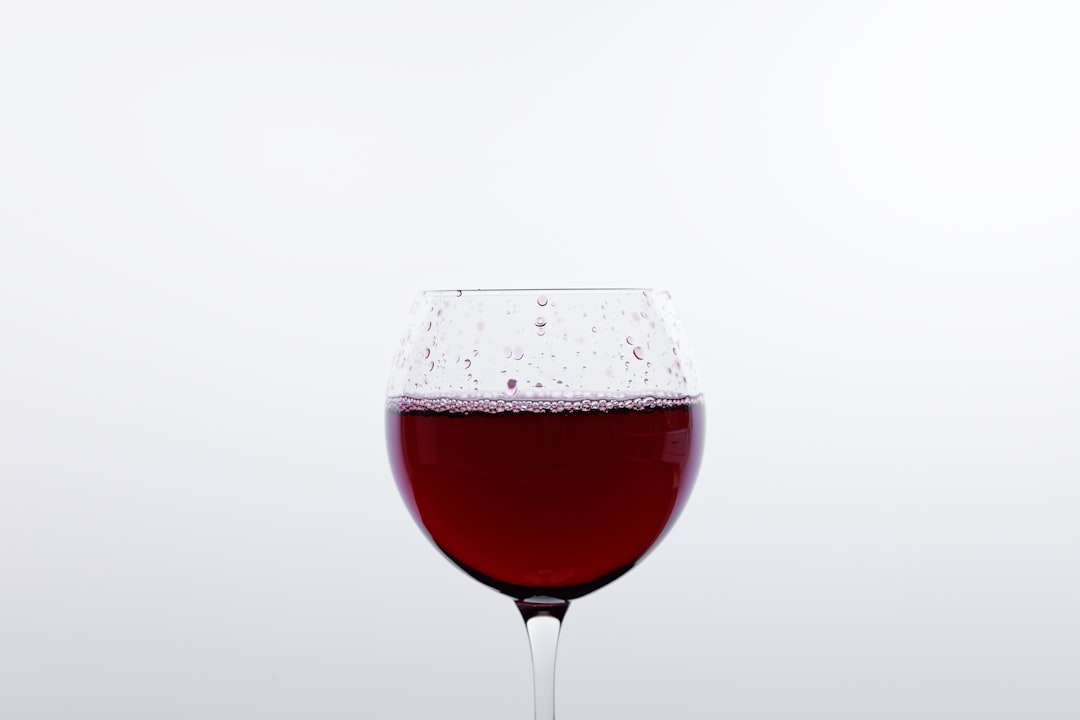 A Bordeaux style glass with its characteristic large bowl.
What it is: Tall, broad bowl with plenty of room for aromatic reds to express themselves.
Why it works: Cabernet Sauvignon, Merlot, Syrah, and other bold reds have intense aromatics that benefit from the larger surface area. The size also allows aggressive swirling.
When to use: When you open something special. When the wine deserves attention. When you want the full experience.
Buy: 4 glasses. For those bottles worth savoring.
3. A White Wine Glass or Champagne Flute
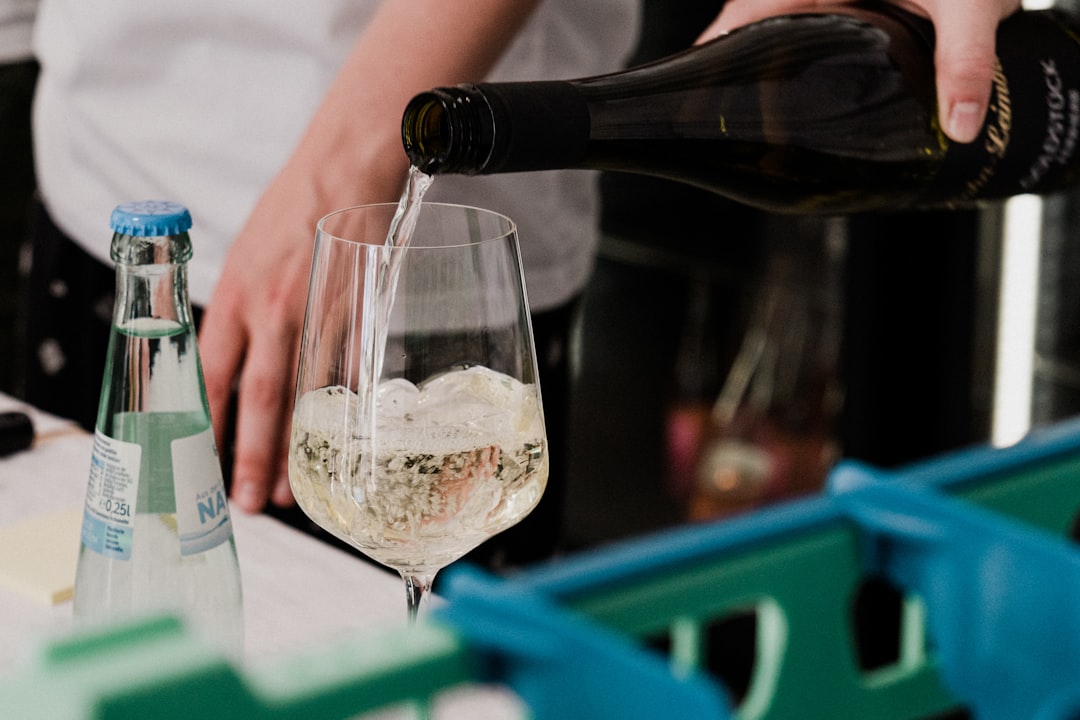 A classic white wine glass with a narrower bowl.
What it is: Smaller, narrower bowl that keeps whites cool and concentrates their more delicate aromas. Flutes preserve sparkling wine bubbles.
Why it works: White wine aromas are more volatile and delicate than reds. A smaller opening prevents them from dispersing too quickly. For sparkling, the narrow shape maintains carbonation.
 Champagne flutes preserve bubbles and concentrate aromatics.
When to use: Quality whites you want to experience fully. Any sparkling wine.
Buy: 4 glasses.
Total investment: 14 glasses covering virtually every situation.
Do You Need a Burgundy Glass?
The classic Burgundy bowl is extremely wide with a dramatically tapered rim, designed to capture Pinot Noir’s notoriously delicate and complex aromatics.
If you drink a lot of Pinot Noir or Nebbiolo: Yes, consider adding these.
If you occasionally drink Pinot: Your Bordeaux glass works fine.
The verdict: Nice to have, not essential.
Crystal vs. Regular Glass: Worth the Upgrade?
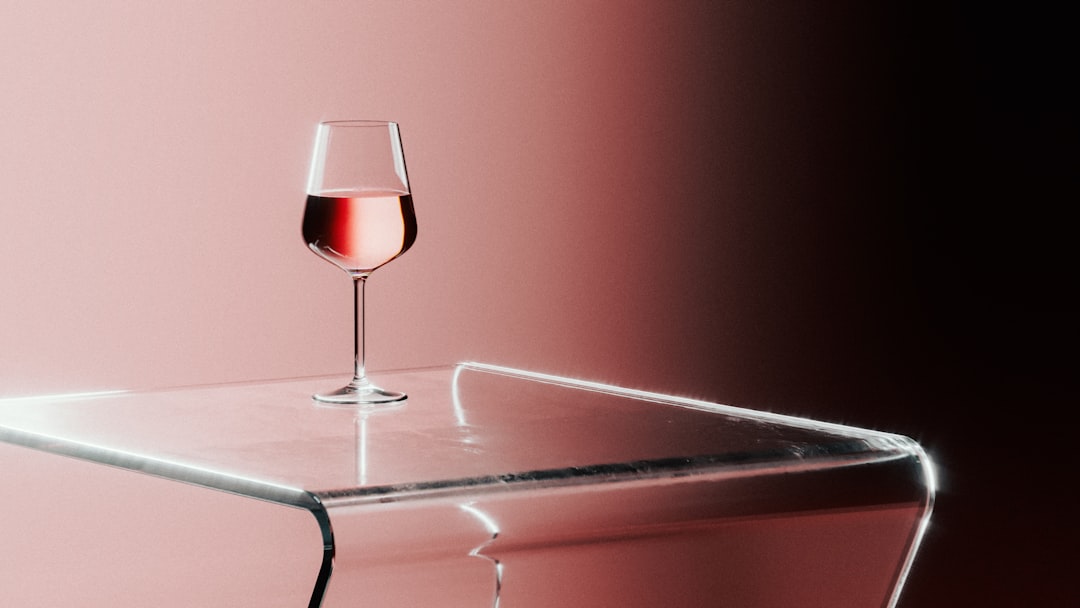 Crystal glass refracts light beautifully and can be spun thinner than regular glass.
Crystal Advantages
- Thinner rim feels more elegant
- Light refracts more beautifully
- Can be spun thinner than regular glass
- Wine looks prettier
Crystal Disadvantages
- More expensive
- More fragile
- Usually requires hand washing
- Lead crystal has been phased out, but some people still worry
The verdict: Crystal elevates the experience, especially for wines you’re paying attention to. But it’s not necessary for enjoyment. A good regular glass beats a mediocre crystal one.
Stemmed vs. Stemless: The Honest Take
Stemless glasses have advantages: they’re easier to store, harder to knock over, dishwasher friendly, and look contemporary.
But they have one critical problem: your hands warm the wine.
For whites and sparkling wines that should stay cold, stemless glasses are problematic. By the time you finish the glass, it’s uncomfortably warm.
For reds at cellar temperature? Stemless works fine.
The compromise: Use stemless for casual red wine drinking. Use stemmed glasses for whites, sparkling, and reds you’re actually paying attention to.
What About Those Varietal Specific Sets?
Riedel, Zalto, and other makers produce glasses designed for specific grapes. A Riesling glass, a Sauvignon Blanc glass, a Syrah glass, a Shiraz glass (yes, different from Syrah apparently).
The reality: In blind tests, even experts struggle to consistently prefer the “correct” glass. The differences exist but are subtle enough that most people won’t notice in normal drinking conditions.
When they make sense:
- You’re extremely passionate about a specific wine
- You taste wines comparatively and analytically
- You have the storage space and budget
When they don’t make sense:
- You drink a variety of wines
- You want practical glassware, not a collection
- You’d rather spend money on wine than on glass
Recommended Brands by Budget
Entry Level ($5 to $10 per glass)
Ikea’s wine glasses are surprisingly good. Thin rims, reasonable shapes, shockingly affordable. Perfect for everyday use.
Mid Range ($10 to $25 per glass)
Schott Zwiesel Tritan uses a reinforced crystal that’s dishwasher safe and remarkably break resistant. Best value for quality.
Spiegelau offers good shapes at reasonable prices.
Premium ($25 to $50 per glass)
Riedel Vinum series provides professional quality without the extreme fragility of their top lines.
Luxury ($50+ per glass)
Zalto glasses are breathtakingly thin and beautifully shaped. Sommeliers love them. They’re also terrifyingly delicate.
Riedel Superleggero is similarly thin and elegant.
Care Tips That Actually Matter
Hand wash when possible. Dishwashers can leave mineral spots and stress thin glass over time.
Store upright. Storing glasses rim down traps odors and puts pressure on the delicate edge.
Polish with microfiber. Paper towels leave lint. Microfiber cloths don’t.
Rinse before use. Even clean glasses can pick up cabinet odors. A quick rinse ensures the glass smells like nothing.
Let them air dry completely. Trapped moisture leads to off odors.
The Bottom Line
Glass shape makes a real but modest difference. The wine industry has exaggerated this into an excuse to sell you dozens of glasses you don’t need.
What actually matters:
- Thin rim (feels better to drink from)
- Bowl large enough to swirl
- Stem for wines served cold
What doesn’t matter much:
- Whether it’s the “correct” varietal glass
- Whether it’s expensive crystal
- Whether the marketing materials promise it will “unlock the wine’s potential”
A great wine in a basic glass still tastes like a great wine. A mediocre wine in a $100 glass still tastes mediocre.
Buy good universal glasses. Save your money for better wine. Use Sommo to discover what’s worth drinking, regardless of what you’re drinking it from.
Liked this read? Try the app.
Scan any wine label with AI, build your tasting journal, and learn wine your way.