Wine Faults: How to Tell If Your Bottle Has Gone Bad
Learn to identify the five most common wine faults including cork taint, oxidation, and heat damage. Know when to send back a bottle and when to give it time.
Don’t drink bad wine. And don’t throw out good wine. Here’s how to tell the difference.
You’ve opened a bottle. Something smells… off.
Is it bad? Should you send it back? Pour it down the drain? Or give it a few minutes to breathe?
Most wine drinkers can’t answer these questions confidently. And that means they either drink faulty wine without knowing it, or toss perfectly good bottles that just needed time.
This guide teaches you to identify the five most common wine faults, understand what causes them, and know exactly what to do when you encounter one.
Let’s make sure you never drink bad wine again.
The 5 Common Wine Faults
1. Cork Taint (TCA)
What it is: Contamination from a compound called 2,4,6-trichloroanisole (TCA), usually transferred from the cork.
How common: Affects 2 to 5% of bottles sealed with natural cork.
What it smells like:
- Wet cardboard
- Damp basement
- Moldy newspaper
- Wet dog
What it does to the wine:
- Mutes fruit flavors
- Makes wine taste flat and dull
- Leaves an unpleasant aftertaste
Severity levels:
| Level | Symptoms |
|---|---|
| Light | Subtle mustiness, muted fruit |
| Moderate | Clear wet cardboard smell, flat taste |
| Severe | Overwhelming moldy smell, undrinkable |
Can you fix it? No. Cork taint is permanent.
What to do: Return or exchange the bottle. Any reputable restaurant or wine shop will replace a corked wine without question. It’s not your fault or theirs.
Pro tip: If you’re unsure, pour a small amount and let it sit for 5 to 10 minutes. Cork taint becomes more apparent as the wine warms and aerates. A good wine will open up and improve; a corked wine will smell worse.
2. Oxidation
What it is: Excessive exposure to oxygen, causing the wine to degrade.
How it happens:
- Faulty cork that let air in
- Wine stored upright for years (cork dried out)
- Bottle left open too long
- Poor storage conditions
What it smells like:
- Bruised or brown apple
- Sherry-like nuttiness (in non-Sherry wines)
- Stale, flat aromas
What it looks like:
- White wines turn brownish or deep gold
- Red wines turn brick or brown at the edges
- Overall color looks “tired”
What it does to the wine:
- Fruit flavors fade
- Fresh aromas disappear
- Wine tastes flat and lifeless
Severity levels:
| Level | Symptoms |
|---|---|
| Light | Slightly tired, muted fruit |
| Moderate | Noticeably flat, brown tinge |
| Severe | Brown color, sherry-like smell, undrinkable |
Can you fix it? No. Oxidation is irreversible.
What to do: If the bottle was recently purchased, return it. This is a storage or cork defect. If it happened because you left the bottle open for a week… lesson learned.
Pro tip: Some wines are intentionally oxidized (Sherry and other fortified wines, Vin Jaune, some orange wines). Those nutty, amber characteristics are features, not faults. Context matters.
3. Heat Damage (Cooked Wine)
What it is: Wine exposed to high temperatures, causing premature aging and degradation.
How it happens:
- Shipped in hot trucks without climate control
- Stored in a hot garage or attic
- Left in a car on a sunny day
What it smells like:
- Stewed or cooked fruit
- Jammy, pruney sweetness
- Caramelized, burnt sugar notes
What to look for:
- Cork pushed out slightly (expansion from heat)
- Sticky residue around the capsule
- Wine level lower than expected
What it does to the wine:
- Destroys fresh fruit character
- Accelerates aging dramatically
- Creates unbalanced, “cooked” flavors
Severity levels:
| Level | Symptoms |
|---|---|
| Light | Slightly jammy, fruit seems overripe |
| Moderate | Stewed fruit, pushed cork |
| Severe | Leakage around cork, pruney/burnt flavors |
Can you fix it? No. Heat damage is permanent.
What to do: If you received a shipped bottle with these signs, request a replacement. The wine was damaged in transit.
Pro tip: If buying wine in summer, ask about shipping methods. Reputable retailers use cold shipping or delay shipments during heat waves.
4. Reduction
What it is: The opposite of oxidation. Wine that hasn’t had enough oxygen exposure, producing sulfur compounds.
How it happens:
- Winemaking style choice (sometimes intentional)
- Very tight closure (screwcap)
- Certain fermentation conditions
What it smells like:
- Struck match
- Rotten eggs
- Burnt rubber
- Cabbage or garlic
What it does to the wine:
- Masks fruit aromas
- Creates unpleasant sulfur smells
- Can make wine seem closed or tight
Severity levels:
| Level | Symptoms |
|---|---|
| Light | Matchstick on opening, dissipates quickly |
| Moderate | Persistent sulfur smell, needs decanting |
| Severe | Overwhelming rotten egg, doesn’t improve |
Can you fix it? Often, yes!
How to fix it:
- Decant aggressively: Pour the wine into a decanter and swirl vigorously
- Use a copper coin: Drop a clean copper penny in the decanter for a few minutes (copper binds with sulfur compounds)
- Wait: Many reduced wines blow off after 30 to 60 minutes of air exposure
What to do: Give reduction time to resolve before deciding the wine is faulty. Light reduction is common and easily fixed. Severe reduction that doesn’t improve after an hour may be a genuine fault.
Pro tip: Reduction is more common in wines sealed with screwcaps and in certain winemaking styles (natural wines, Burgundy). It’s not always a fault. Sometimes it’s a feature that needs time.
5. Refermentation
What it is: Unintended secondary fermentation in the bottle, usually from residual sugar and yeast.
How it happens:
- Wine bottled before fermentation fully completed
- Residual sugar and surviving yeast reactivate
- More common in low-intervention/natural wines
What it looks like:
- Unexpected bubbles in still wine
- Slight spritz or fizz on the tongue
- Cloudy appearance (sometimes)
What it smells/tastes like:
- Yeasty, bready notes
- Slightly cidery
- Unexpected effervescence
Severity levels:
| Level | Symptoms |
|---|---|
| Light | Barely perceptible fizz, still enjoyable |
| Moderate | Noticeable spritz, yeasty flavor |
| Severe | Aggressively bubbly, off-flavors, pushed cork |
Can you fix it? No.
What to do: Light refermentation is often tolerable. Some people even enjoy it. Severe refermentation makes wine unpleasant and should be returned.
Pro tip: Some winemaking traditions embrace slight effervescence (Portuguese Vinho Verde, some Muscadets). If the label suggests the wine should have a slight spritz, it’s intentional.
Quick Identification Chart
| Fault | Primary Smell | Primary Sign | Fixable? |
|---|---|---|---|
| Cork taint | Wet cardboard, moldy | Muted, flat wine | No |
| Oxidation | Brown apple, sherry | Brown/amber color | No |
| Heat damage | Stewed fruit, jam | Pushed cork, leakage | No |
| Reduction | Struck match, eggs | Sulfur smell on opening | Often yes |
| Refermentation | Yeasty, cidery | Unexpected bubbles | No |
What’s NOT a Fault
Don’t confuse these normal wine characteristics with faults:
Sediment
What it looks like: Dark particles or grit at the bottom of the bottle.
What it is: Totally natural. Sediment forms in aged red wines as tannins and color pigments bind together.
What to do: Decant the wine carefully, leaving sediment in the bottle. Not a fault. Often a sign of quality and age.
Tartrate Crystals
What they look like: Clear or white crystals clinging to the cork or bottom of the bottle.
What they are: Harmless potassium bitartrate (cream of tartar). Forms when wine is exposed to cold temperatures.
What to do: Nothing. They’re tasteless and harmless. Some people call them “wine diamonds.”
Sulfur Dioxide (SO2)
What it smells like: Faint struck match on opening.
What it is: A preservative used in almost all wine. A slight whiff on opening is normal.
What to do: Swirl the glass and let it sit for a minute. The smell should dissipate quickly.
Volatile Acidity (VA)
What it smells like: Nail polish remover, vinegar.
When it’s a fault: High levels make wine smell like vinegar.
When it’s not: Small amounts add complexity and lift to wine. Many highly-rated red wines have noticeable VA.
Brett (Brettanomyces)
What it smells like: Barnyard, band-aid, horse stable, smoky bacon.
When it’s a fault: High levels overwhelm fruit and make wine unpleasant.
When it’s not: Low levels add complexity, especially in Rhône wines and traditional Bordeaux. This is subjective. Some love it, some hate it.
The Restaurant Protocol
Found a fault at a restaurant? Here’s exactly what to do:
- Smell the wine when the server pours your taste
- Take a small sip to confirm
- If faulty, say simply: “I think this bottle may be corked” (or oxidized, etc.)
- Don’t over-explain. A professional server will replace it without argument
- They may smell or taste it to verify. That’s normal
- A new bottle will be opened from a different case
Important: You can ONLY send back wine that’s faulty, not wine you simply don’t like. “I don’t like this Riesling” is not grounds for a return. “This Riesling smells like wet cardboard” is.
The Wine Shop Protocol
Returning a faulty bottle to a wine shop:
- Keep the wine: Don’t pour it out. The shop may want to verify or return it to their distributor
- Keep the receipt: Proof of purchase helps
- Bring it back promptly: Within a few days is ideal
- Explain the fault: “I believe this wine is corked/oxidized”
- Expect a replacement or refund: Reputable shops stand behind their bottles
Prevention Tips
For Storage
- Keep wine at consistent, cool temperature (55°F/13°C ideal)
- Store bottles on their side (keeps cork moist)
- Avoid temperature fluctuations
- Keep away from light and vibration
For Shipping
- Use climate-controlled shipping when possible
- Avoid ordering wine during extreme heat
- Have wine delivered to a location where it won’t sit in the sun
For Opened Bottles
- Recork immediately after pouring
- Store in refrigerator (even reds)
- Use a vacuum pump or inert gas spray
- Drink within 3 to 5 days
Trust Your Senses
Here’s the most important advice: if a wine smells or tastes wrong to you, trust that instinct.
You don’t need to identify the specific fault to know something’s off. If you open a bottle and your gut says “this isn’t right,” it probably isn’t.
The goal isn’t to become a fault-detection expert. It’s to drink good wine and confidently reject bad wine.
Keep Learning
Wine faults are one piece of wine knowledge. Understanding them helps you appreciate good wine even more and ensures you never waste money on bad bottles.
Sommo’s learning modules cover wine faults and dozens of other topics, from tasting technique to regional deep-dives. Build your wine knowledge one lesson at a time.
Frequently Asked Questions
How do I know if my wine is corked?
Corked wine smells like wet cardboard, damp basement, or moldy newspaper. The fruit flavors will be muted and the wine tastes flat and dull. Cork taint affects 2-5% of bottles sealed with natural cork.
Can I drink wine that has gone bad?
Faulty wine won’t make you sick, but it won’t taste good. Cork taint, oxidation, and heat damage create unpleasant flavors. However, sediment and tartrate crystals are harmless and not faults at all.
What does oxidized wine taste like?
Oxidized wine smells like brown apple, sherry, or bruised fruit. White wines turn amber or brown, while reds take on orange-brown hues. The wine loses freshness and tastes flat or stale.
Can you return a bad bottle of wine to a restaurant?
Yes, restaurants should replace corked or faulty wine without argument. Simply tell the server you think the bottle may be corked or faulty. You cannot return wine simply because you don’t like it, only if it’s actually faulty.
How long does opened wine last before going bad?
Opened wine typically lasts 3-5 days if properly stored with the cork replaced and refrigerated. Wines with higher tannins and acidity last longer. Using a vacuum pump or inert gas spray extends life further.
Liked this read? Try the app.
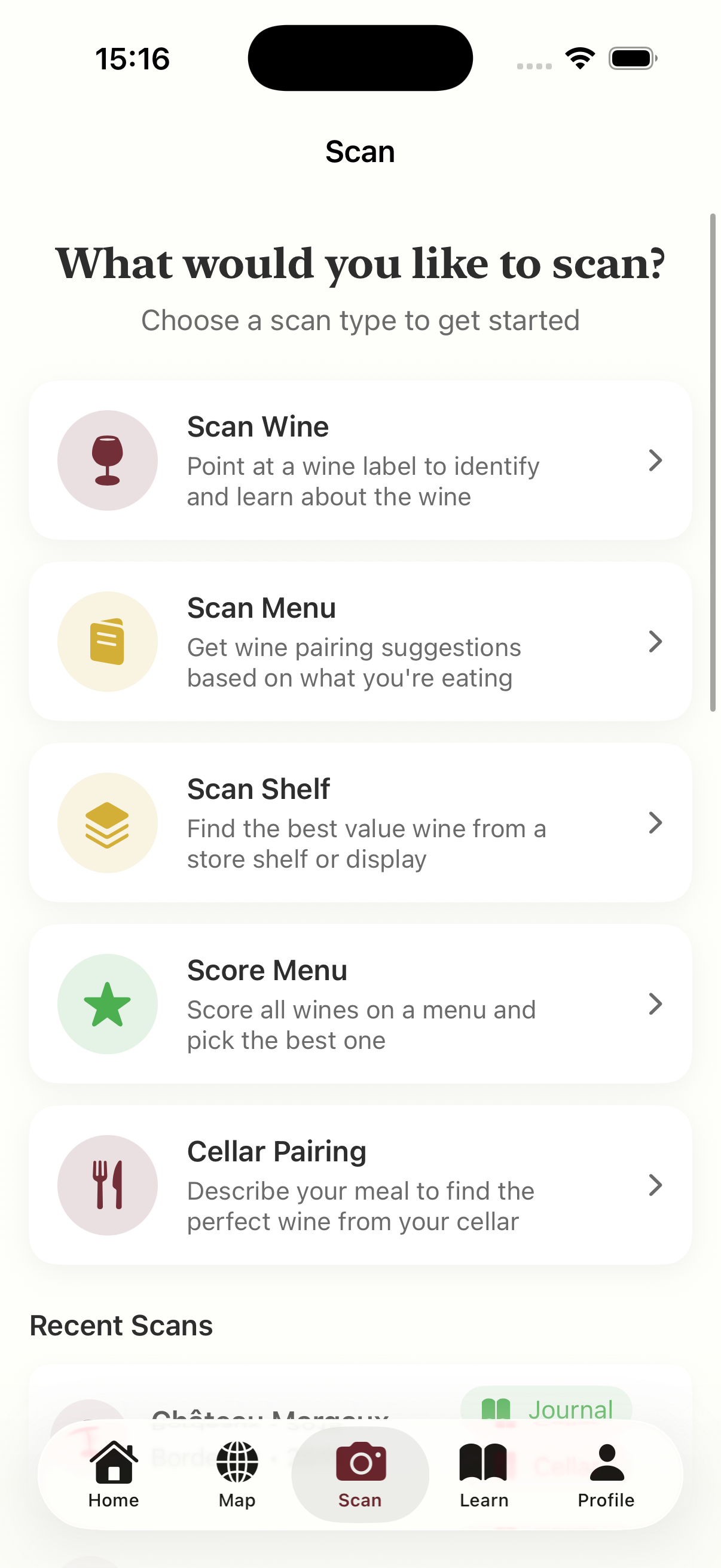
Scan any wine label with AI, build your tasting journal, and learn wine your way.