The most useful wine-fair plan fits on one page: one learning question, a short route with space for delays, and a reliable way to identify every wine you want to remember. A day that answers a question is more valuable than a long list of pours you cannot match to bottles afterwards.
You might want to understand the difference between two regional expressions of one grape, find a style for a particular meal, or learn why you liked a wine at home. Choose a question you can ask an exhibitor and revisit in your notes. Leave room for an unexpected recommendation without making it another obligation.
Confirm that this is the right event
Check the organiser’s current entry rules before buying travel or a ticket. Some fairs are for trade visitors and require evidence of eligibility. Check dates, opening times, the current exhibitor list, access arrangements, floorplan and whether sessions need separate booking. A ticket, a place in a masterclass and a meeting with a producer may be three separate arrangements.
Keep a copy of the event information and your confirmations in a form you can access at the venue. Recheck shortly before departure because stands, schedules and wine availability can change. An old floorplan is useful for practising a route, but it cannot confirm where an exhibitor will be next year.
Agree how you will get home without driving if you will taste alcohol. Spitting, water and breaks support a considered tasting day; none guarantees freedom from impairment. You can attend a talk, ask questions, smell only, choose alcohol-free options or stop tasting altogether.
Turn a question into a route
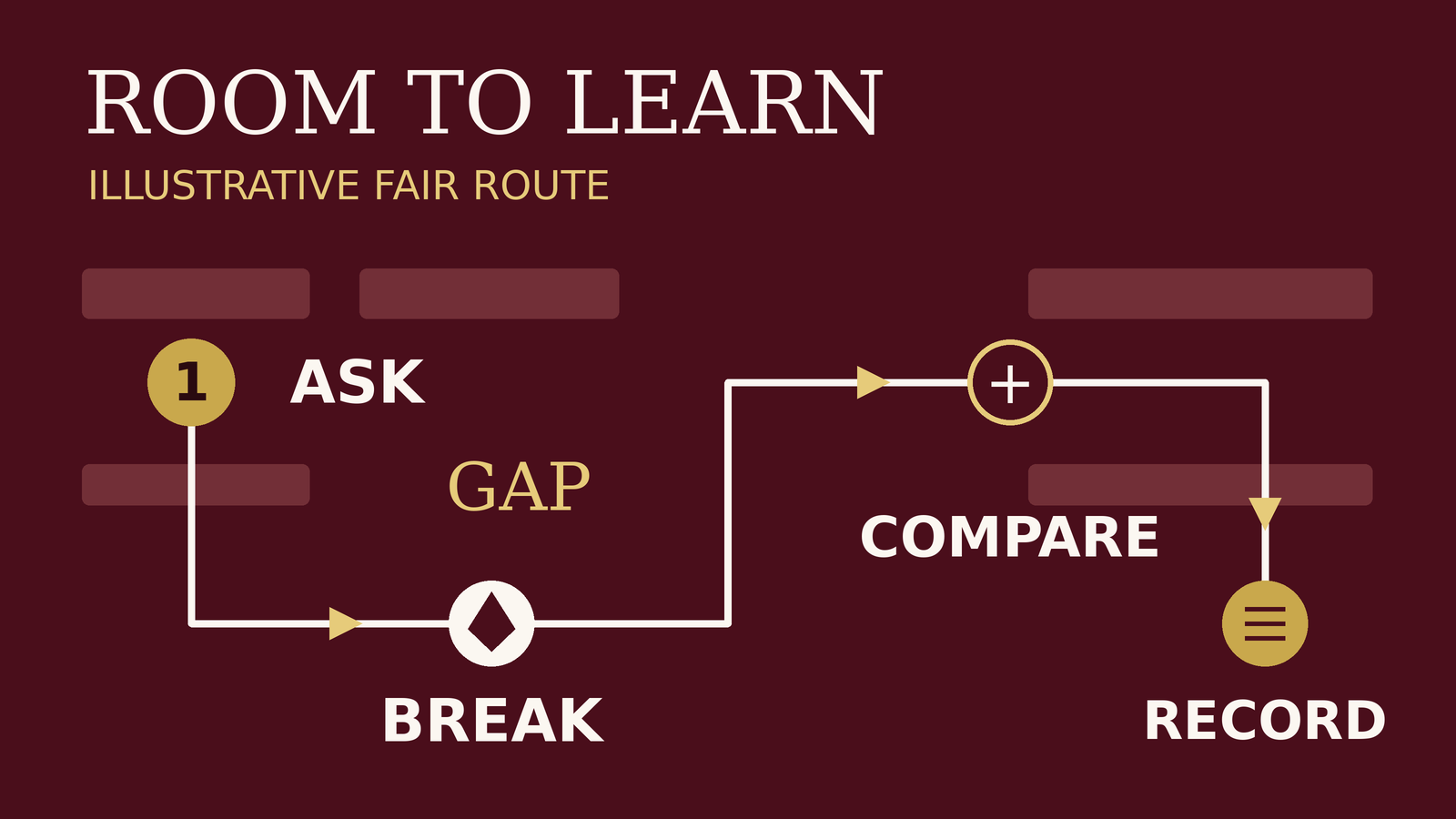
Start with a few relevant stands and one optional session. Group nearby visits rather than crossing the hall after every wine. Give yourself time to queue, speak, write and sit down. Decide which visit you can drop if a conversation runs long.
Ask each exhibitor for help with your question: “I am comparing lighter examples of this grape; which wine would illustrate your approach?” is easier to answer than “What should I try?” Check the actual producer, cuvée and vintage before the bottle moves out of sight.
Our tasting etiquette guide covers polite use of spittoons and conversations with hosts. WSET’s April 2026 palate-preparation advice recommends avoiding strong lingering flavours and scents, having a spittoon available and staying hydrated. Those are useful preparation principles, not a schedule for how much to taste.
A fictional half-day on a real past floorplan
This is a desk-planned example, not an attended itinerary or an upcoming event recommendation. London Wine Fair’s 2026 event took place on 18 to 20 May, as recorded by its venue, Olympia. Its official 2026 floorplan names the Host Nation Pavilion, Wines Unearthed, Education Zone, seating and a water bar. The plan below borrows those real zone names; appointments, wine choices and times are invented.
The imaginary visitor’s question is: “Which lighter styles would I like to research for dinner at home?” They have checked eligibility for this trade event. No particular exhibitor or wine availability is assumed.
| Planned time | Purpose and fallback |
|---|---|
| 10:00 | Orientate, collect information and locate water and seating. |
| 10:20 | Host Nation Pavilion: ask one relevant exhibitor about lighter styles. |
| 11:00 | Sit down, take water and reconcile identities before moving on. |
| 11:30 | Wines Unearthed: ask a contrasting producer the same question. |
| 12:10 | Education Zone: attend a suitable confirmed session, or review notes if full. |
| 12:50 | Break, then one optional return to clarify an identity or question. |
| 13:30 | Finish and leave; further research happens later. |
These are planning blocks, not travel-time estimates or a tasting target. A queue could remove the second stand entirely. The visitor can still leave with a useful comparison if the first conversation and its bottle identity were recorded well.
The pocket sheet that survives the journey home
Copy the sheet once per wine. Use a short code to connect each note with its label photograph, catalogue entry or handout. Ask permission where photography is restricted and avoid collecting only the front label when the distinguishing detail is elsewhere.
| Field | Blank entry |
|---|---|
| Note code; date; event and stand | ___ |
| Producer; exact wine or cuvée | ___ |
| Vintage or NV; bottle format | ___ |
| Evidence: photo, catalogue page or contact | ___ |
| One observation linked to my question | ___ |
| Preference; uncertainty | ___ |
| Quoted price; currency; size; basis | ___ |
| Price source and date; tax/delivery unknowns | ___ |
| Next action: revisit, research or buy | ___ |
Do not copy the exhibitor’s description into the space for your observation. You can record both, with their sources distinguished. If the glass was not tasted, write that. The guide to writing tasting notes offers a structure when “pleasant white” is all you can initially find.
Recover an identity before it becomes a guess
Synthetic identity-recovery example: note F03 reads “Producer Example, Hillside white, 2024, 750 mL; stand X; label photo 03; price unknown; research”. The catalogue lists both Hillside and Hillside Reserve. Looking at photo 03 reveals “Reserve”, so the corrected record retains the original wording and adds “Hillside Reserve, confirmed from photo”. No taste or price is invented. If the photograph were unreadable, the cuvée would remain unconfirmed and the next action would be a question to the exhibitor.
The desk example demonstrates the record structure; it has not been tested in a crowded hall. Build in a final check while you are still able to ask for missing details.
Before leaving the fair, revisit a stand if you need to clarify an identity or conversation. Once home, contact the exhibitor for facts still missing, research a correctly identified wine, local availability and the applicable price, then buy only if that decision makes sense for you. A trade quotation may have a different currency, format, quantity or tax basis from a retail offer.
Keep the useful discoveries in a personal tasting journal. Sommo’s journal can hold your wine notes and impressions; check the identity against the actual bottle before saving. Keep the organiser’s map and booking information separately, and retain a paper fallback for notes if connectivity is poor. The lasting result is a small set of wines you can identify and a clearer answer to the question you brought.