Wine Cocktails: Spritz, Sangria, and More
Forget sad sangria at bad restaurants. Here are wine cocktails actually worth making, from the perfect Aperol Spritz to legitimately good frozen rosé.
There’s a time for contemplating the subtle nuances of a fine Burgundy.
And there’s a time for a refreshing wine cocktail on a sunny afternoon while not thinking too hard about anything.
Wine cocktails have shed their tacky reputation. Done right, they’re delicious, refreshing, and perfect for casual entertaining. Done wrong, they’re sad restaurant sangria with floating fruit that’s been sitting out since lunch.
Here’s how to do them right.
The Spritz Family: Masters of Aperitivo
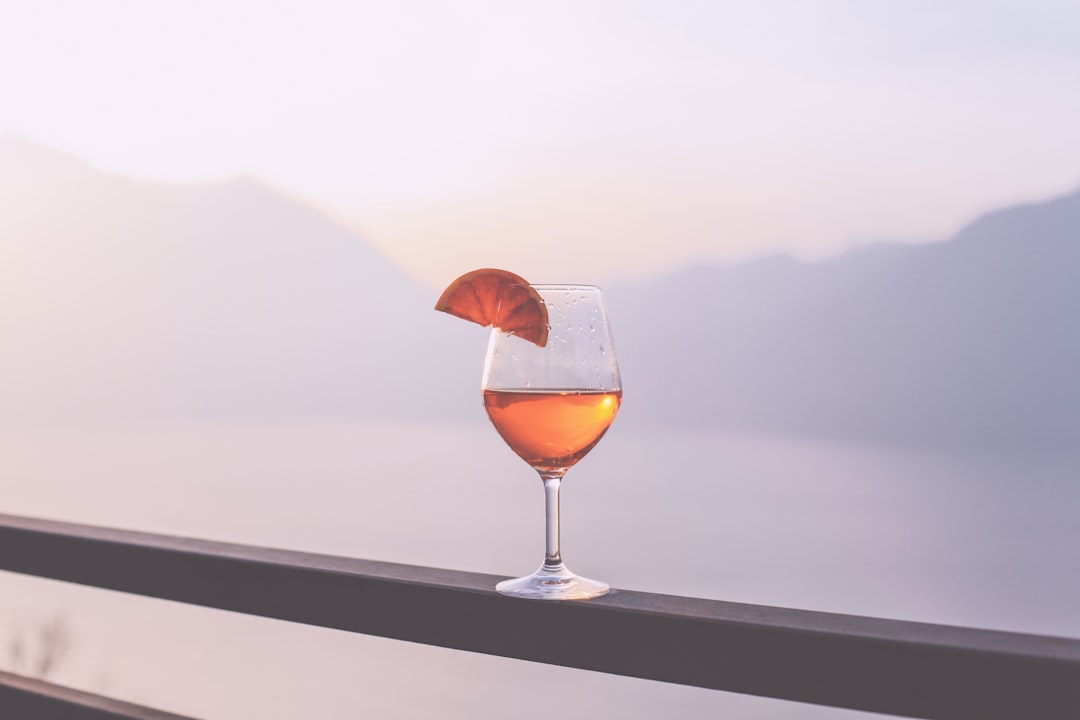
The Aperol Spritz conquered the world because it’s simple, refreshing, and impossibly photogenic. But it’s just one member of a larger family.
Classic Aperol Spritz
The formula: 3 parts Prosecco, 2 parts Aperol, 1 splash soda water.
The method:
- Fill a large wine glass with ice
- Pour Prosecco first
- Add Aperol
- Top with a splash of soda water
- Stir gently
- Garnish with an orange slice
Why it works: The bitterness of Aperol balances the sweetness of Prosecco. The soda adds lift. It’s 11% alcohol, so you can drink two without incident.
Hugo Spritz
The lighter, more floral alternative. Huge in northern Italy and Austria.
Ingredients:
- 3 parts Prosecco
- 2 parts elderflower liqueur (St. Germain is perfect)
- Splash of soda water
- Fresh mint and lime
Method: Build over ice, stir gently, garnish with mint and lime wheel.
Character: Sweeter and more floral than an Aperol Spritz. Perfect if you find Aperol too bitter.
Negroni Sbagliato
The “wrong Negroni” that turned out very right. Prosecco replaces gin.
Ingredients:
- 1 part Campari
- 1 part sweet vermouth
- 1 part Prosecco
Method: Build over ice in a rocks glass. Stir gently. Orange peel garnish.
Character: More bitter than an Aperol Spritz, more complex, still refreshing. For grown ups.
Venetian Spritz (Spritz Veneziano)
The original. Use Select Aperitivo instead of Aperol for a slightly more bitter, less sweet version.
Sangria: The Right Way
Bad sangria is a crime against wine. Good sangria is a revelation. The difference: quality ingredients and restraint.
Classic Red Sangria
Ingredients:
- 1 bottle dry red wine (Spanish Garnacha or Tempranillo, $10 to $15 range)
- 1/4 cup brandy
- 1/4 cup orange liqueur (Cointreau or Grand Marnier)
- 2 tablespoons sugar
- 1 orange, sliced
- 1 lemon, sliced
- 1 apple, cubed
- Sparkling water to serve
Method:
- Combine everything except sparkling water in a pitcher
- Stir to dissolve sugar
- Refrigerate at least 4 hours, preferably overnight
- Serve over ice
- Top each glass with a splash of sparkling water
The secret: Time. The flavors need hours to meld. Make it the night before.
White Sangria (Sangria Blanca)
Ingredients:
- 1 bottle dry white wine (Albariño or Sauvignon Blanc)
- 1/4 cup peach liqueur
- 2 tablespoons honey
- 1 ripe peach, sliced
- 1 cup green grapes, halved
- Fresh mint leaves
- Sparkling water to serve
Method: Same process as red. Combine, refrigerate, serve over ice with sparkling water.
Sangria Rules
Use wine you’d drink on its own. Cheap wine makes cheap tasting sangria. You don’t need expensive bottles, but avoid absolute bottom shelf.
Don’t overload the fruit. Two or three types is plenty. Fruit salad sangria is a rookie mistake.
Give it time. Minimum 4 hours. Overnight is better.
Add sparkling water at serving. Keeps things fresh and lively.
Never serve warm. Ice and refrigeration are mandatory.
French Café Classics
Kir
Simple, elegant, endlessly variable.
Classic Kir:
- 1 part crème de cassis (blackcurrant liqueur)
- 5 parts dry white wine (traditionally Aligoté)
Method: Pour cassis into a wine glass. Top with chilled white wine. Stir gently.
Why it works: The cassis adds sweetness and color without overwhelming the wine.
Kir Royale
Same concept, more festive.
Ingredients:
- 1/2 oz crème de cassis
- Champagne or sparkling wine to top
Method: Pour cassis into a flute. Top with cold bubbles.
When to make it: When you want something celebratory but different from straight Champagne.
Kir Variations
| Variation | Liqueur Used | Character |
|---|---|---|
| Kir Pêche | Peach liqueur | Fruity, summery |
| Kir Framboise | Raspberry liqueur | Berry forward |
| Kir Breton | Calvados (apple brandy) | Autumnal |
| Kir Normand | Pommeau | Apple, richer |
The Bellini: Venice’s Gift to Brunch
Ingredients:
- 1 part white peach purée
- 2 parts Prosecco
Method:
- Place purée in a champagne flute
- Slowly pour Prosecco while stirring gently
- Don’t let it overflow (it wants to)
The key: Use ripe white peaches in season. Blend them yourself. Off season, quality peach nectar works. Yellow peaches are acceptable but less authentic.
When to skip it: When peaches aren’t in season. A Bellini with bad purée is just sparkling disappointment.
Mimosa Upgrades
The basic mimosa (orange juice + sparkling wine) deserves better than bottom shelf bubbles and Tropicana.
Classic Mimosa, Improved:
- Use fresh squeezed orange juice (this is non negotiable)
- Use decent sparkling wine (Cava works perfectly)
- Ratio: Equal parts juice to wine, adjust to taste
- Pour juice first, then bubbles
Variations worth trying:
| Name | Juice/Fruit | Notes |
|---|---|---|
| Blood Orange Mimosa | Blood orange juice | Deeper color, more complex |
| Grapefruit Mimosa | Fresh grapefruit | More sophisticated, bitter edge |
| Manmosa | Orange juice + Chambord | Sweeter, berry undertone |
Wine Slushies and Frozen Drinks
Frosé (Frozen Rosé)
Instagram’s favorite wine drink is actually delicious when done right.
Ingredients:
- 1 bottle rosé
- 3 oz strawberry simple syrup (equal parts sugar and water, simmered with strawberries)
- 2 oz fresh lemon juice
Method:
- Pour rosé into a shallow pan
- Freeze until slushy (5 to 7 hours, stirring occasionally)
- Blend frozen rosé with syrup and lemon juice
- Serve immediately in chilled glasses
The reality: This takes planning. Make the simple syrup ahead. Start freezing the rosé in the morning.
Wine Slushies (Quick Version)
Freeze leftover wine in ice cube trays. When you want a slushie, blend frozen wine cubes with a splash of fresh juice. Done.
Wine Spritzer
The simplest wine cocktail.
Formula: Equal parts wine and sparkling water. Ice. Done.
Why it works: Lower alcohol, more refreshing, stretches a bottle further. Works with white or rosé.
The Kalimotxo (Calimocho)
Spain’s beloved combination sounds wrong but tastes right.
Ingredients:
- Equal parts red wine and cola
- Ice
- Lemon wedge (optional)
Method: Build over ice. Stir. Drink.
Is it sophisticated? No. Is it delicious on a hot summer day? Absolutely. The Basque country has been drinking this for decades. Trust them.
Which wine? Something young, fruity, and inexpensive. Don’t waste good wine on this.
Mulled Wine: For When It’s Not Summer
Ingredients:
- 1 bottle red wine
- 1/4 cup brandy
- 1/4 cup honey
- 2 cinnamon sticks
- 4 whole cloves
- 2 star anise
- Orange peel strips
Method:
- Combine all ingredients in a pot
- Heat gently (do NOT boil, or you’ll cook off the alcohol)
- Simmer for 20 minutes
- Strain and serve warm
When to make it: Holiday parties, cold nights, ski weekends. It’s one of the best winter wines you can serve.
General Wine Cocktail Rules
Temperature matters. Wine cocktails should be cold. Pre chill your wine. Use plenty of ice.
Ratios are starting points. Taste as you go. Some prefer sweeter, others prefer drier. Adjust.
Don’t use great wine. Wine cocktails are for decent, everyday bottles. That aged Barolo? Drink it straight.
Ice is your friend. Don’t be stingy. More ice keeps drinks colder longer and dilutes less (counterintuitively).
Garnish thoughtfully. Fresh herbs, citrus peels, and edible flowers elevate presentation. But don’t overdo it.
When to Skip the Cocktail
Great wine deserves to be drunk as is. Save the cocktails for:
- Everyday bottles
- Wine that’s past its prime
- Casual gatherings where nobody’s analyzing
- Hot weather when refreshment trumps complexity
Use Sommo to track your experiments. Note which combinations worked and which didn’t. Building your cocktail repertoire is part of the journey.
Liked this read? Try the app.
Scan any wine label with AI, build your tasting journal, and learn wine your way.