Order a bottle when several people want the same wine and will finish most of it. Order by the glass when tastes diverge, courses call for different styles or one drink is enough. The bill alone cannot answer the question: you need the pour size, the bottle price and a realistic idea of what your table will drink.
Do the useful calculation
Take a hypothetical list with a 150 ml glass at £10 and the same 750 ml wine at £42. Five glasses equal one bottle by volume and would cost £50, so the bottle saves £8 if you want all five pours. Three glasses cost £30. Buying a bottle then costs £12 more and leaves wine you may not want. This is an example, not a claim about restaurant prices.
If the glass pour is 125 ml, six pours equal a bottle. A carafe, half bottle or different glass size changes the calculation again. Ask for the measure if it is not printed. A shared bottle also simplifies service: everyone can taste the wine together, and the table knows which vintage and producer it ordered.
The break-even point is simple: divide the bottle price by the glass price. In the example, £42 divided by £10 is 4.2. The bottle costs less than five glasses; four glasses still cost less than the bottle. Round up only if you actually expect to drink that many glasses.
When the glass wins
Different meals deserve different wines. One diner may order oysters and another a slow-cooked beef dish. Forcing both into a single red or white may save money while making dinner less enjoyable. A crisp white with the starter and a lighter red with the main can be the better experience, even if each millilitre costs more.
The glass is also a useful experiment. Try a grape or region you cannot yet picture rather than committing to 750 ml. Ask when the bottle was opened if a wine tastes tired, and speak to the server if anything seems wrong. That is a quality question, not an invitation to assume every open bottle has spoiled.
If you are still learning the list, our restaurant ordering guide covers the conversation with the sommelier. The menu-scoring guide covers how to assess the list itself. This article is the narrower decision that follows: one pour or one bottle?
When the bottle wins
A bottle makes sense when the table agrees on a style and plans to drink about five 150 ml glasses between them. Three friends each having one glass and two friends having one more is a plausible split. It need not be a contest to finish: choose less wine if people prefer less wine.
Look beyond the arithmetic. A whole bottle may let you explore how the wine changes in the glass over a long meal. A by-the-glass list, on the other hand, may offer a more interesting producer than the bottle you can afford. If the table is split between red and white, two glasses can beat one compromise bottle.
A quick table-side rule
- Count the pours people want, not the pours in a bottle.
- Confirm the glass measure and compare the same wine, vintage and size.
- Check whether different dishes or preferences make one wine a poor fit.
- Ask about half bottles or carafes if you are between the two options.
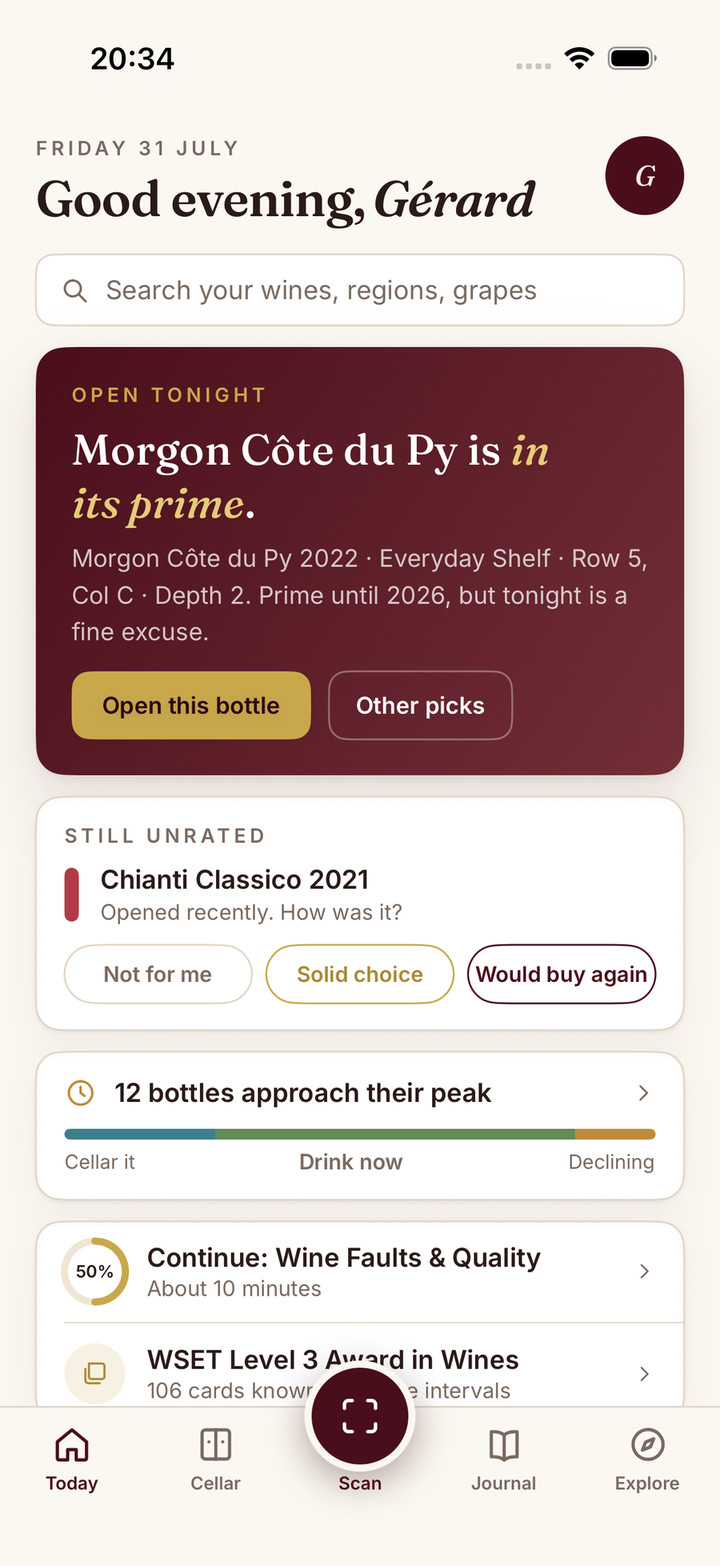
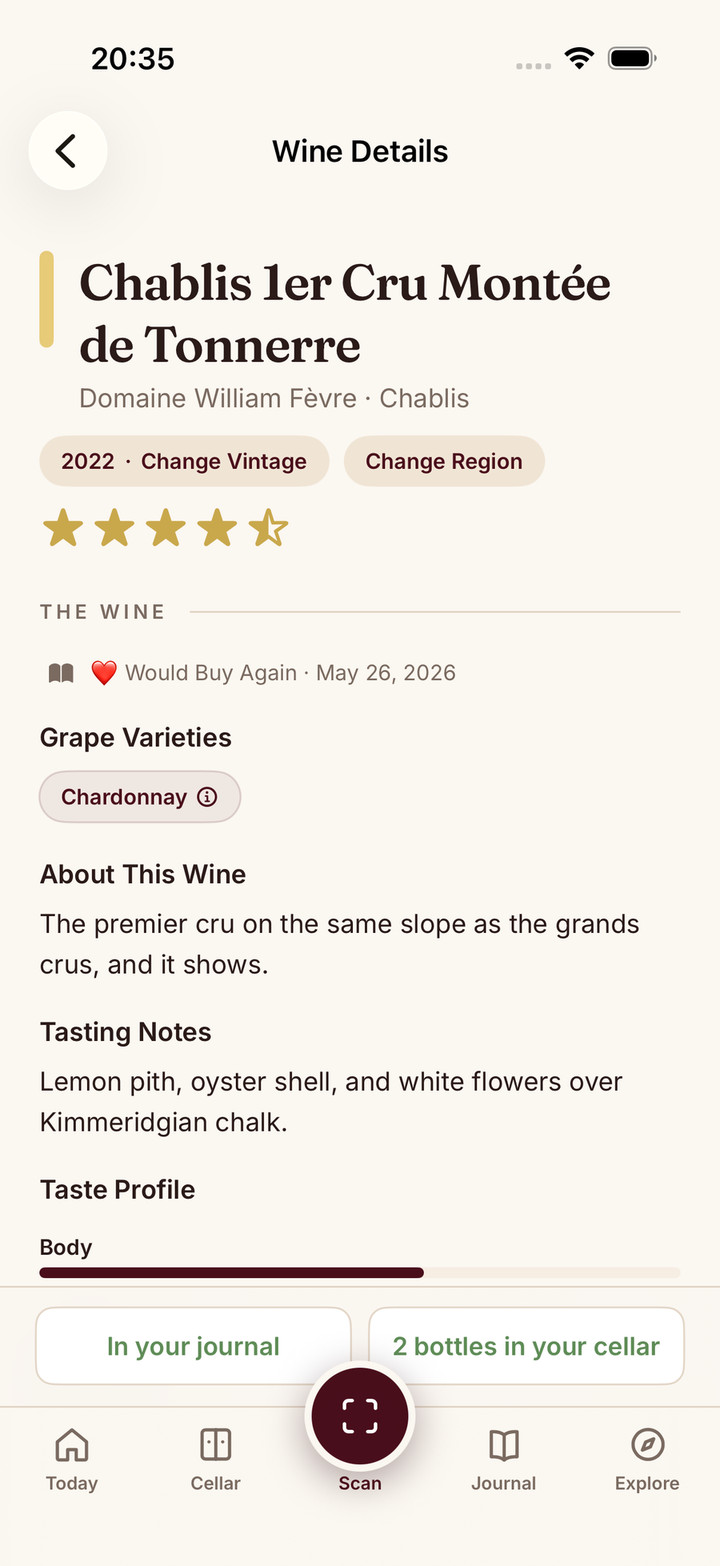
The best-value order is the one you enjoy without excess. Save a note about the producer, dish and pour size afterwards; your own restaurant history is more useful than a generic rule. The personal wine journal guide shows what to record, and Sommo can keep those bottles and impressions together.