Wine and Cheese Pairing: Which Combinations Actually Work
Pairing wine and cheese sounds simple until you get it wrong. Here are the classic combinations that reliably work — Brie with Champagne, Cheddar with Cabernet — and the logic behind them.
Few culinary combinations are as timeless and universally loved as wine and cheese. This classic pairing has been enjoyed for centuries, and for good reason: when matched correctly, wine and cheese enhance each other in ways that elevate both to new heights.
The Science Behind the Pairing
Wine and cheese work so well together because of basic flavor chemistry. Cheese contains fat and protein, which coat your palate and mellow the tannins in wine. Meanwhile, the acidity in wine cuts through the richness of cheese, cleansing your palate and making you want another bite.
This interplay creates a balanced experience where neither the wine nor the cheese dominates. Instead, they dance together in harmony.
The Golden Rules of Pairing
Before diving into specific combinations, keep these fundamental principles in mind:
Match Intensity
Light, delicate cheeses pair best with lighter wines, while bold, aged cheeses can stand up to fuller-bodied wines. A subtle fresh goat cheese would be overwhelmed by a powerful Cabernet Sauvignon, just as a pungent blue cheese would steamroll a delicate Pinot Grigio.
Consider Regional Pairings
The old adage “what grows together, goes together” holds true. Cheeses and wines from the same region often make natural partners. Think French Comté with a Jura white, or Italian Parmigiano-Reggiano with Chianti.
Balance Fat with Acidity
Creamy, high-fat cheeses benefit from wines with good acidity to cut through the richness. Sparkling wines are particularly effective here.
Classic Pairings to Try
Soft Ripened Cheeses
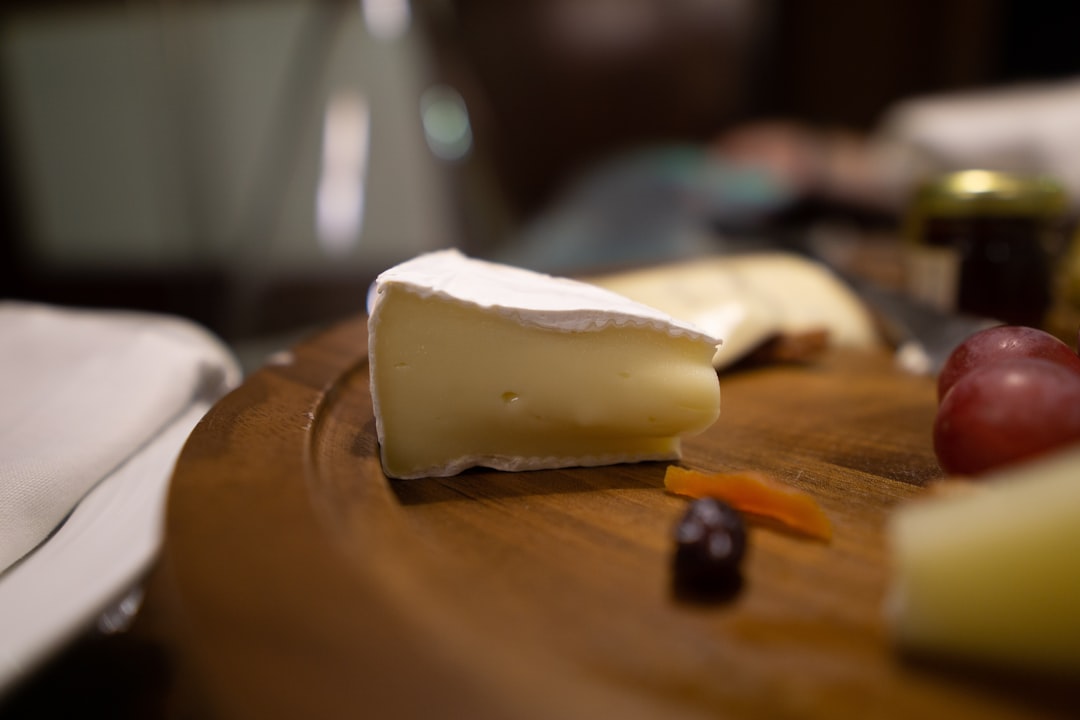
Brie and Camembert pair beautifully with Champagne or Crémant. The bubbles and acidity slice through the buttery richness, while the wine’s yeasty notes complement the cheese’s earthy flavors. If you prefer still wine, try an unoaked Chardonnay or a light Pinot Noir.
Fresh Cheeses
Fresh goat cheese (Chèvre) finds its perfect match in Sauvignon Blanc. The wine’s herbaceous notes and bright acidity mirror the cheese’s tangy, citrusy qualities. Sancerre, made from Sauvignon Blanc in the Loire Valley, is the classic choice.
Hard Aged Cheeses
Aged Cheddar pairs wonderfully with Cabernet Sauvignon. The wine’s tannins soften against the cheese’s crystalline texture, while dried fruit notes in the wine echo the cheese’s nutty complexity. For something different, try aged Cheddar with a tawny Port.
Parmigiano-Reggiano shines alongside Italian reds like Barolo or Brunello di Montalcino. The cheese’s umami-rich, nutty profile complements these wines’ dried cherry and earthy notes perfectly.
Blue Cheeses
Roquefort and Sauternes is one of the world’s great pairings. The wine’s honeyed sweetness provides a counterpoint to the cheese’s salty, pungent character. The contrast is striking and delicious. Port and Stilton offer a similar sweet-meets-savory experience.
Washed Rind Cheeses
Époisses and Gewürztraminer make a surprisingly harmonious pair. The wine’s aromatic intensity and slight sweetness can handle the cheese’s powerful, funky flavors. Avoid tannic reds here, as they can clash with these pungent cheeses.
Building a Cheese Board
When creating a cheese board for wine, include variety:
- One soft cheese (Brie, Camembert, or fresh goat)
- One semi-hard cheese (Gruyère, Manchego, or Gouda)
- One hard aged cheese (Cheddar, Parmigiano, or Pecorino)
- One blue or adventurous option (Roquefort, Gorgonzola, or a washed rind)
This variety ensures everyone finds something they love and allows for experimentation with different wines.
Tips for Success
Serve cheese at room temperature. Cold cheese mutes flavors. Take your cheese out of the refrigerator 30-60 minutes before serving.
Start mild, finish strong. Progress from fresh, mild cheeses to aged, intense ones. Your palate will thank you.
Don’t forget the accompaniments. Crusty bread, plain crackers, fresh and dried fruits, and nuts add texture and complementary flavors without competing with the wine.
Keep an open mind. Rules are meant to be broken. If you discover an unconventional pairing you love, embrace it.
Use Technology to Your Advantage
Not sure what wine to pair with the cheese you just bought? Scan your wine with Sommo and use the tasting notes to guide your cheese selection. The app’s learning modules also cover food pairing fundamentals, helping you develop your intuition over time.
Start Experimenting
The best way to learn about wine and cheese pairing is through tasting. Pick up a bottle and a few cheeses this weekend, invite some friends over, and start exploring. Take notes on what works and what doesn’t.
Remember: there are no wrong answers, only personal preferences waiting to be discovered.
Frequently Asked Questions
What wine goes best with Brie cheese?
Champagne or sparkling wine pairs beautifully with Brie. The bubbles and acidity cut through the buttery richness, while the wine’s yeasty notes complement the cheese’s earthy flavors. An unoaked Chardonnay or light Pinot Noir also work well.
Can you pair red wine with cheese?
Yes, but choose carefully. Aged hard cheeses like Cheddar, Parmigiano-Reggiano, and Manchego pair well with red wines. Avoid pairing tannic reds with soft, creamy cheeses or pungent washed-rind varieties, as they can clash.
What temperature should cheese be served for wine pairing?
Serve cheese at room temperature for optimal flavor. Take your cheese out of the refrigerator 30-60 minutes before serving. Cold cheese mutes flavors and won’t pair as harmoniously with wine.
What is the best wine for a cheese board?
Sparkling wine is the most versatile choice for a mixed cheese board. Its acidity and bubbles cleanse the palate between different cheeses. Alternatively, serve multiple wines to match different cheese styles.
Why do wine and cheese pair so well together?
Cheese fat and protein coat your palate and soften wine tannins, while wine acidity cuts through cheese richness. This creates a balanced experience where neither dominates, making them natural partners.
Photo by Charlie Solorzano on Unsplash