White Wine Guide for Beginners
White wine is more than 'the other option.' From Sauvignon Blanc to buttery Chardonnay, here's everything you need to drink white wine well.
Let’s get one thing out of the way: if you think white wine is “less serious” than red, you’ve been drinking the wrong whites. A great Burgundy Chardonnay or an aged Riesling can absolutely go toe-to-toe with the most celebrated reds on the planet. The problem isn’t white wine. The problem is that most people’s introduction to it was a glass of warm, flabby Pinot Grigio at a house party.
Let’s fix that.
The White Wine Spectrum
White wines exist on a spectrum from bone-dry and razor-sharp to rich, creamy, and almost decadent. Understanding where a wine falls on that spectrum is the single most useful thing you can learn as a beginner. Forget memorizing vintage charts – just learn this framework and you’ll never order the wrong bottle again.
Light and Crisp
These are your refreshing, high-acidity whites. They wake up your palate and pair brilliantly with lighter foods.
- Sauvignon Blanc – The poster child of crisp whites. Expect citrus, green apple, and sometimes a grassy, herbaceous quality. New Zealand (Marlborough) versions are intensely aromatic. Loire Valley versions (Sancerre, Pouilly-Fum\u00e9) are more mineral and restrained.
- Pinot Grigio / Pinot Gris – Italian Pinot Grigio is typically light, neutral, and easy-drinking. Alsatian Pinot Gris is a completely different animal: richer, with stone fruit and sometimes a touch of sweetness. Same grape, wildly different results.
- Albari\u00f1o – Spain’s gift to seafood lovers. Bright acidity, peach and apricot notes, and a saline quality that makes it absurdly good with shellfish.
- Muscadet – Bone-dry, mineral, almost austere. If you like oysters, this is your wine. It’s also criminally underpriced.
Medium-Bodied
The middle ground. Enough weight to feel substantial, enough acidity to stay fresh.
- Riesling – The most versatile white grape on Earth. It can be dry, off-dry, or lusciously sweet. German Rieslings often have a beautiful tension between sweetness and acidity. Don’t sleep on Riesling just because you had a bad experience with a cheap sweet one.
- Chenin Blanc – Another chameleon grape. South African versions tend to be fruity and approachable. Loire Valley Chenin (Vouvray) ranges from dry to sweet and can age for decades.
- Gr\u00fcner Veltliner – Austria’s flagship white. White pepper, green herbs, citrus. Incredibly food-friendly.
Rich and Creamy
These are the big, full-bodied whites that can satisfy even committed red wine drinkers.
- Chardonnay – The world’s most planted white grape, and the most misunderstood. Unoaked Chardonnay (like Chablis) is lean, mineral, and precise. Oaked Chardonnay (like many Californian or Australian versions) is buttery, vanilla-scented, and voluptuous. They barely taste like the same grape.
- Viognier – Floral, peachy, and full-bodied. Northern Rh\u00f4ne Viognier (Condrieu) is the benchmark, but good examples come from California and Australia too.
- Marsanne/Roussanne – Often blended together in the Rh\u00f4ne Valley. Rich, honeyed, with notes of beeswax and almonds. Underrated and worth seeking out.
The Oaked vs. Unoaked Debate
This is arguably the biggest factor in how a white wine tastes, and it trips up beginners constantly.
Oak aging adds flavors like vanilla, butter, toast, and baking spice. It also softens acidity and adds body. When done well, it adds complexity. When overdone, it turns wine into a vanilla milkshake.
Unoaked whites are fermented and aged in stainless steel or neutral vessels. They’re typically fresher, more fruit-forward, and let the grape and terroir speak for themselves.
Neither is inherently better. The key is knowing which you prefer and reading labels accordingly. If a Chardonnay says “unoaked” or “Chablis,” expect crisp. If it mentions “barrel-fermented” or “reserve,” expect rich.
Serving Temperature: The Most Common Mistake
Here’s a hill I’ll die on: most people serve white wine too cold. Straight from the fridge, a white wine’s aromas and flavors are muted. You might as well drink water.
The ideal serving temperatures:
| Style | Temperature | Practical Tip |
|---|---|---|
| Light, crisp whites | 7-10\u00b0C (45-50\u00b0F) | 20 minutes out of the fridge |
| Medium-bodied whites | 10-12\u00b0C (50-54\u00b0F) | 30 minutes out of the fridge |
| Rich, oaked whites | 12-14\u00b0C (54-57\u00b0F) | 40 minutes out of the fridge, or lightly chilled from room temp |
Yes, this means your oaked Chardonnay should be served closer to a light red wine temperature than to ice-cold. Try it. You’ll taste twice as much.
Food Pairing Basics
The general principle is simple: match the weight of the wine to the weight of the food.
- Light whites (Sauvignon Blanc, Muscadet, Albari\u00f1o) – Salads, raw seafood, goat cheese, light fish dishes
- Medium whites (Riesling, Chenin Blanc, Gr\u00fcner Veltliner) – Asian cuisine, poultry, pork, spicy food (off-dry Riesling is magical with Thai food)
- Rich whites (oaked Chardonnay, Viognier) – Lobster, creamy pasta, roast chicken, rich fish dishes
One pairing that never fails: Muscadet with oysters. One that always surprises people: off-dry Riesling with spicy Indian food. The sweetness tames the heat while the acidity refreshes. Try it once and you’ll never go back.
Common Beginner Mistakes
Dismissing entire grapes based on one bad experience. You had a terrible Chardonnay once? That tells you nothing about the thousands of other Chardonnays out there. The grape isn’t the problem – the winemaker was.
Only drinking what you know. If you’ve been buying the same Sauvignon Blanc for two years, branch out. Try a Gr\u00fcner Veltliner. Try a dry Riesling. Your palate will thank you.
Ignoring regions. A $12 Muscadet from the Loire will outperform a $12 Pinot Grigio from a supermarket brand every single time. Learn which regions punch above their weight.
Skipping the sniff. White wines often have more expressive aromatics than reds. Give the glass a swirl and actually smell it before you drink. You’ll pick up citrus, stone fruit, flowers, herbs – all the things that make wine interesting.
Start Your White Wine Journey
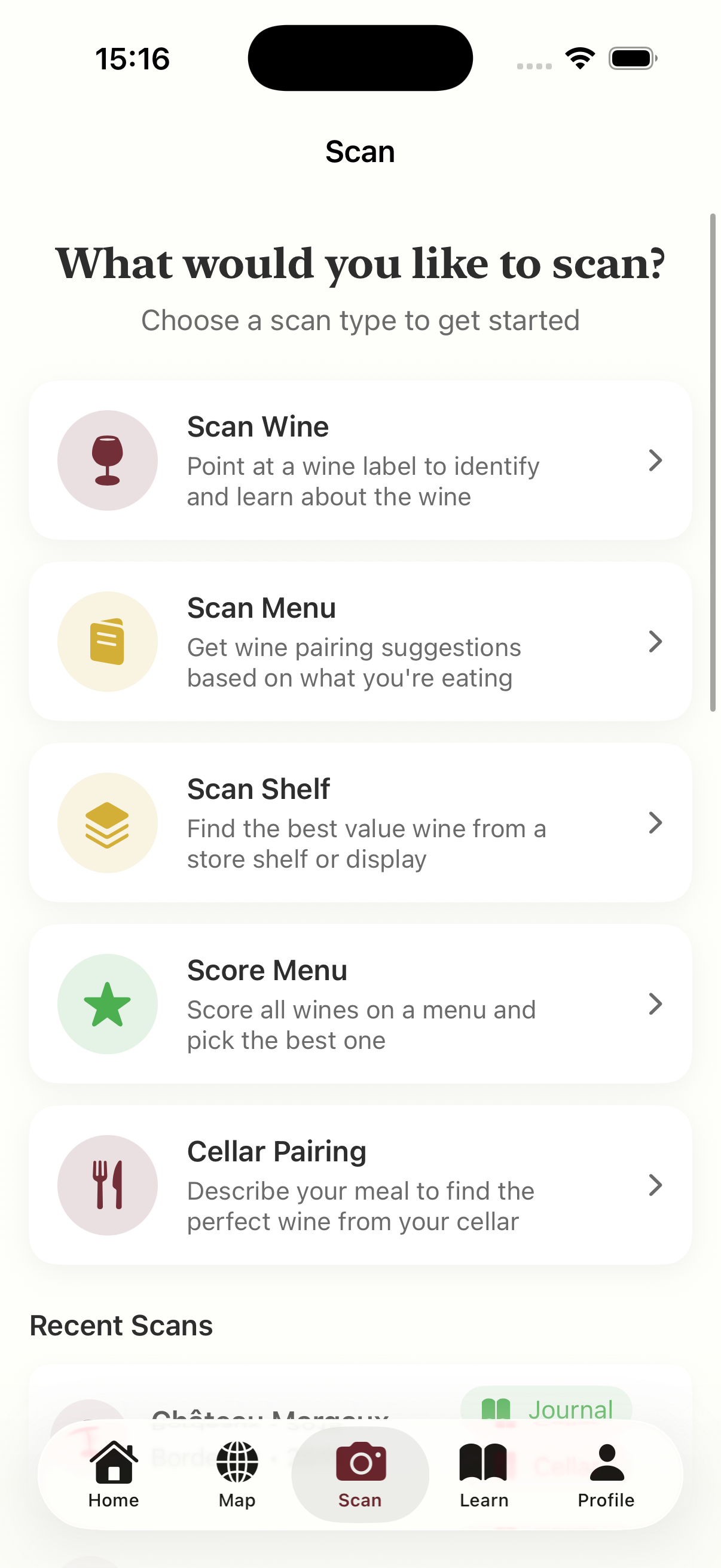
The best way to develop your palate is to taste systematically and keep notes. Sommo’s wine journal makes this ridiculously easy – scan a label with the AI scanner, record your tasting notes, and build a personal database of what you like and why. Over time, you’ll start recognizing patterns: “I love high-acidity whites with citrus notes” or “oaked Chardonnay isn’t for me.” That self-knowledge is worth more than any wine course.
And if you do want structured learning, Sommo’s WSET exam prep modules cover all major white grape varieties with spaced repetition flashcards that actually stick. Because knowing the difference between Chablis and Meursault isn’t just trivia – it’s the difference between ordering confidently and ordering blindly.
Liked this read? Try the app.
Scan any wine label with AI, build your tasting journal, and learn wine your way.