Ask for “a dry white” in any wine shop and you will get a knowing nod, yet dry is probably the most misunderstood word in wine. Half of drinkers think it means the puckering feeling of a big red; plenty of others think it means “not fruity”. Both are wrong, and clearing this up will make every bottle you buy more predictable.
Dry Means No Sugar, Nothing Else
During fermentation, yeast eats grape sugar and turns it into alcohol. Let the yeast finish its meal and almost no sugar remains: the wine is dry. Stop fermentation early, or start with super-sweet grapes, and the leftover residual sugar makes the wine off-dry, medium or fully sweet. That is the entire definition. Dry is the absence of sweetness, full stop; a technically dry wine carries only a few grams of sugar per litre, less than a bite of apple.
The Two Confusions That Trip Everyone Up
Dry is not the mouth-drying feel of red wine. That sensation comes from tannin, the grippy compound from grape skins that makes your cheeks feel like they are wearing a wool jumper. A wine can be low in tannin and bone dry, like Pinot Grigio, or tannic and slightly sweet. When wine people say dry, they are talking about sugar; when your mouth feels dried out, that is tannin talking. Our guide to low-tannin reds is full of wines that are dry yet smooth.
Dry is not the opposite of fruity. This one causes the most mischief at the shop counter. Fruit is an aroma; sugar is a taste. A great dry Riesling smells of peaches and lime yet finishes with zero sweetness, while plenty of cheap “dry” reds taste subtly sugary because a little sweetness makes wine crowd-pleasing. If you ask for “not fruity” when you mean “not sweet”, you will keep getting bottles you do not want.
The Driest Wines by Style
- Whites: Sauvignon Blanc, Pinot Grigio, Albarino, Chablis and most unoaked Chardonnay are reliably bone dry.
- Reds: nearly all serious red wine is dry, from Pinot Noir to Rioja; sweetness in reds hides mostly at the budget end.
- Sparkling: the sweetness scale is printed on the label, from brut nature (driest) through brut to demi-sec; our brut vs demi-sec guide decodes it.
- Rosé: Provence-style is dry; many blush styles, such as white Zinfandel, are decidedly not.
Prefer some sweetness? No shame in it whatsoever, some of the greatest wines on earth are sweet, and our beginner’s guide to sweet wines is the map. The point is knowing which lever you are pulling.
Frequently Asked Questions
What does dry mean in wine?
Dry means the wine contains little or no residual sugar, because the yeast fermented nearly all of the grape sugar into alcohol. It describes the absence of sweetness, not a drying feeling in your mouth, which comes from tannin instead.
Is dry wine the opposite of fruity?
No, and this is the most common mix-up in wine. A wine can be completely dry and still burst with fruit aromas. Fruity describes flavour and smell, dry describes the lack of sugar, so a bone-dry Riesling can smell like a basket of peaches.
Which wines are driest?
Among whites, Sauvignon Blanc, Pinot Grigio, Albarino and most unoaked Chardonnay are reliably bone dry. Almost all serious red wine is dry, including Cabernet Sauvignon, Pinot Noir and Rioja. For sparkling, look for brut nature, extra brut or brut on the label.
Explore with Sommo
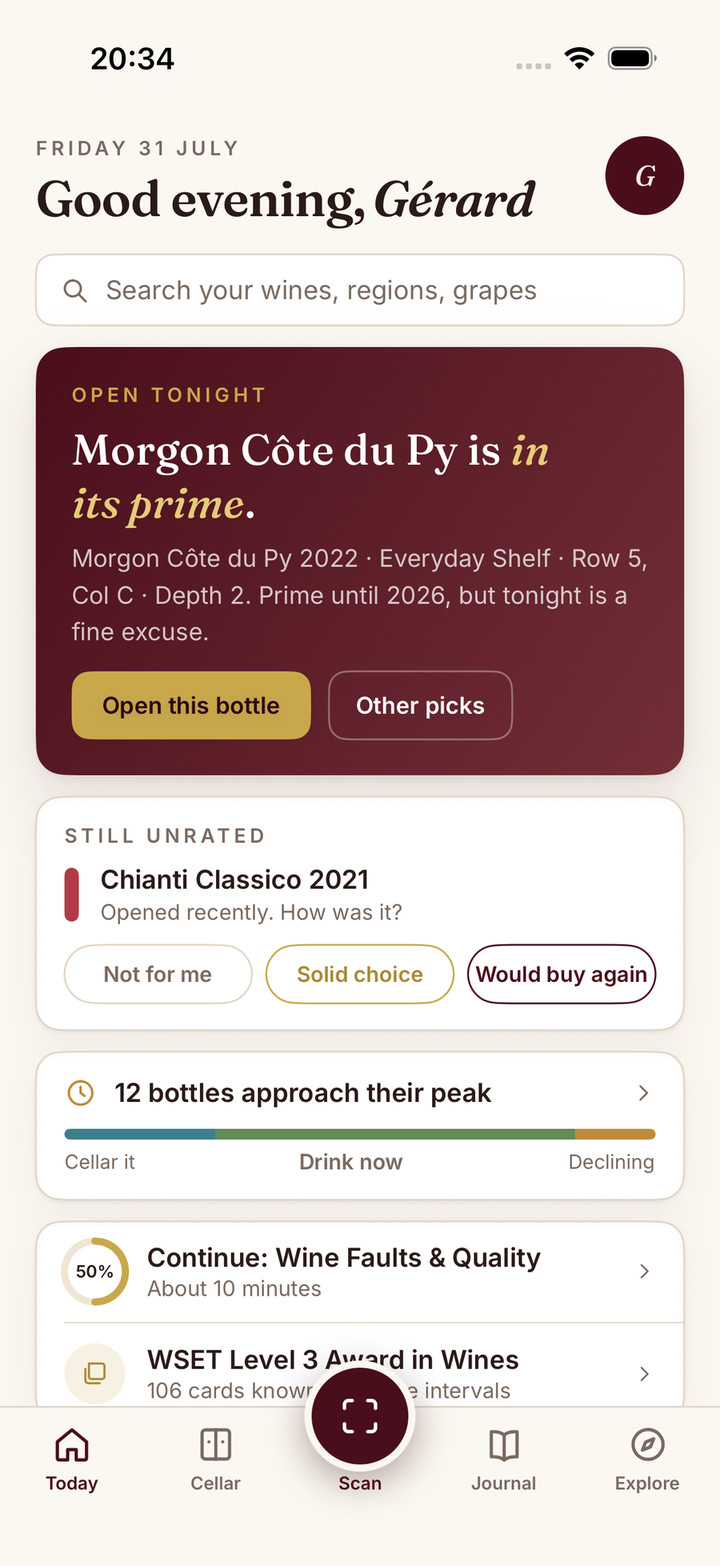
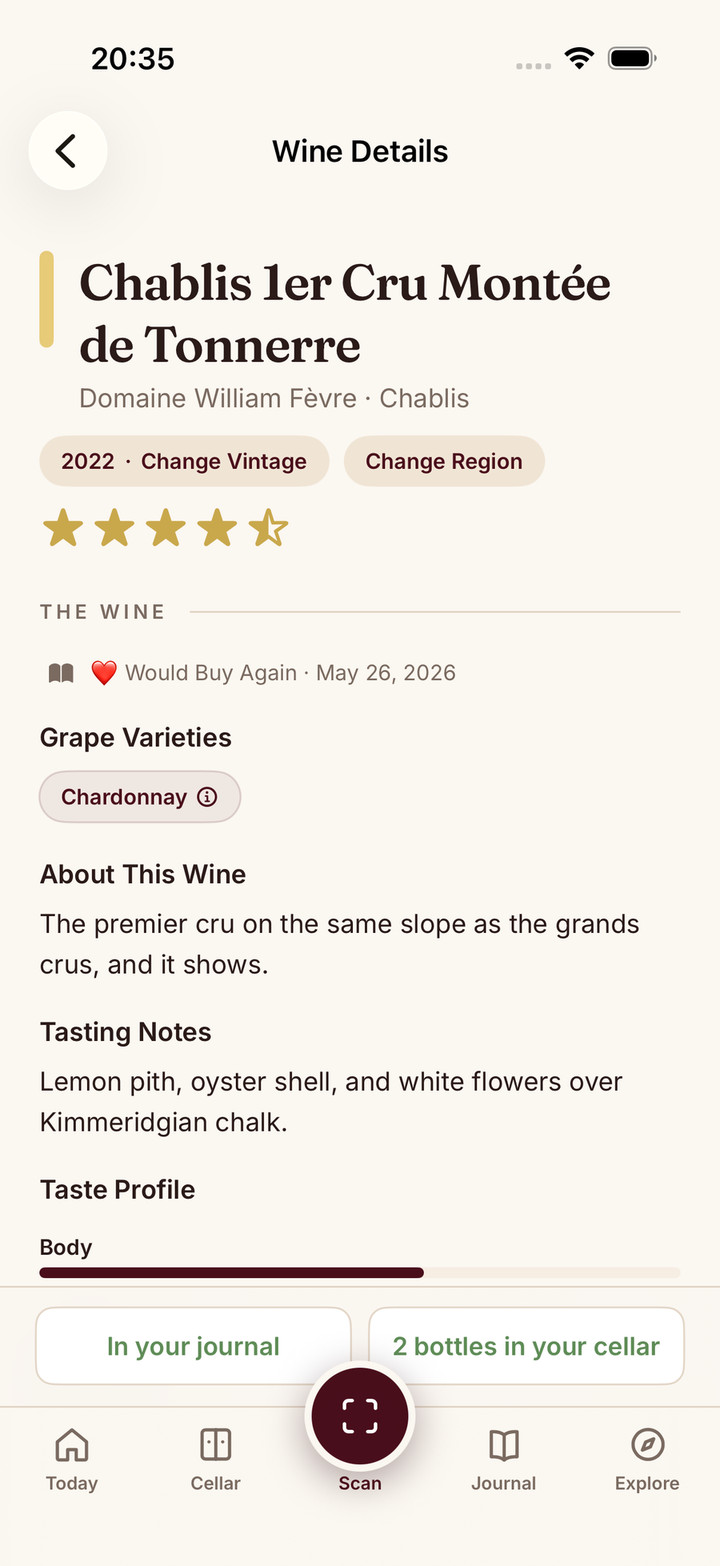
The label rarely tells you how sweet a wine is; Sommo does. Scan any bottle to see its style and sweetness level before you buy, then rate what you drink in the journal and watch your true preference emerge. Plenty of self-declared dry drinkers discover they secretly love a touch of sugar, and plenty of the 5 S tasting method is learning to tell sugar, fruit and tannin apart.
Download Sommo free and find out what dry really tastes like to you.