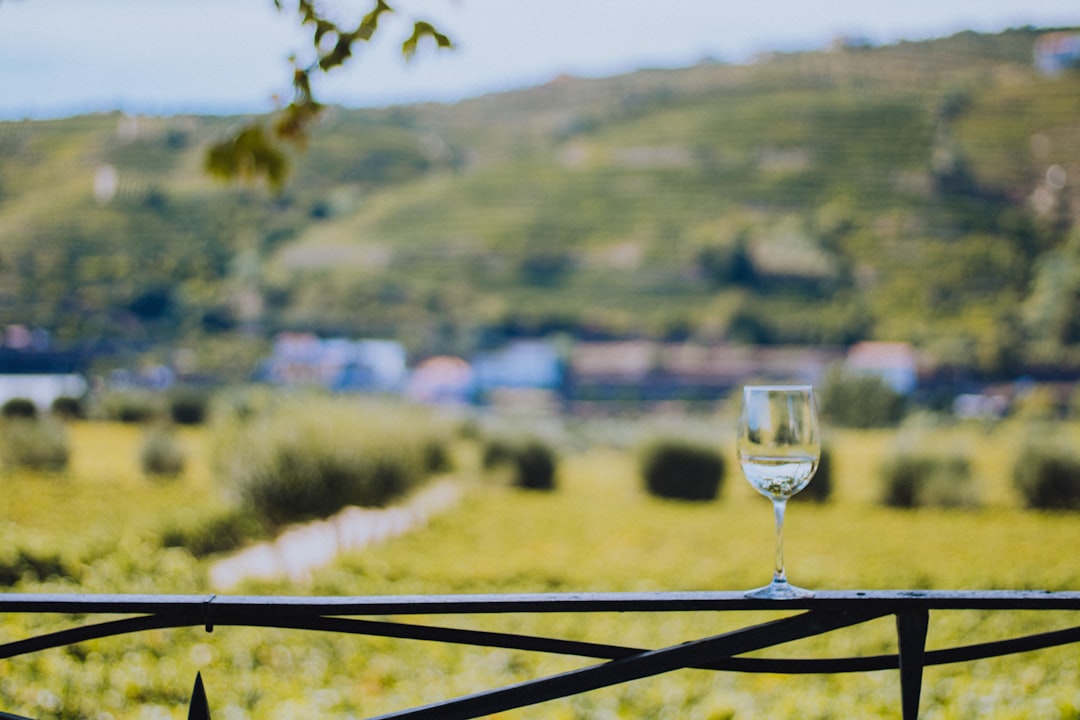
Some wines are built for contemplation. Vinho Verde is built for a hot afternoon, a plate of grilled sardines and a glass beaded with condensation. Portugal’s north-west corner makes one of the world’s most refreshing, most affordable whites, and it remains gloriously underpriced for what it delivers. Here is everything worth knowing.
Green Means Young, Not Green
First, the name. Vinho Verde, literally “green wine”, is a place, not a grape and not a colour: a lush, rainy region between the Minho river and the Atlantic in Portugal’s far north-west. The “green” describes youth; these wines were traditionally bottled and drunk within months of harvest, fresh as the landscape they come from. The region is one of Portugal’s oldest demarcated wine zones, and its damp Atlantic climate produces exactly what you would guess: light, nervy whites with racing acidity and modest alcohol, often just 9 to 11.5%.
That low alcohol is not a compromise; it is a feature. If you have been exploring lighter and lower-alcohol wines, Vinho Verde got there centuries early.
The Famous Fizz
Pour a classic Vinho Verde and you will notice a gentle prickle on the tongue, less than Prosecco, more than a still wine. Historically the spritz came from malolactic fermentation continuing quietly in the bottle; today most producers add a whisper of carbon dioxide at bottling to guarantee the effect. Either way it is deliberate, and it is half the charm: fizz plus acidity plus a cold fridge equals the most refreshing glass in Iberia. (It is also why our bad wine guide lists Vinho Verde as the exception to the “still wine should not fizz” rule.)
The Grapes, Including a Familiar Face
Vinho Verde is usually a blend of local varieties: Loureiro (floral, citrusy), Arinto (steely), Trajadura (soft) and, at the top of the tree, Alvarinho. If that last one sounds familiar, it should: it is the same grape as Spain’s Albarino, grown just across the Minho river in Rias Baixas. Single-variety Alvarinho from the Monção e Melgaço subzone is the region’s serious side: fuller, dry, peachy and age-worthy, at nearly double the price and still a bargain. (Grape synonyms like this are classic WSET Level 2 exam material, incidentally.)
There are red and rosé Vinho Verdes too, rustic and rarely exported, but the whites are the reason the region matters, and they slot beautifully into Portugal’s wider story; our Portuguese wine guide maps the rest.
How to Drink It
Very cold, very young, very often. Check the back label for the most recent vintage, chill it hard (our serving temperature guide says colder is kinder to high-acid whites), and pair it with anything from the sea: sardines, ceviche, sushi, or a salty bag of crisps on a picnic blanket. At the typical price of a sandwich meal deal, it may be the best value white wine in any summer line-up.
Frequently Asked Questions
What is Vinho Verde?
Vinho Verde is a wine region in the far north-west of Portugal, not a grape. The name means green wine, referring to wines released young and fresh rather than to their colour. Most is light, crisp white with a gentle prickle of fizz and low alcohol.
Why is Vinho Verde slightly fizzy?
The soft spritz was originally a by-product of malolactic fermentation happening in bottle; today most producers add a light dose of carbon dioxide at bottling to keep the signature freshness. It is a deliberate style, not a fault.
Is Vinho Verde sweet or dry?
Most Vinho Verde is dry to off-dry, with high acidity keeping any touch of sweetness fresh rather than sugary. Single-variety Alvarinho bottlings are typically fully dry and more serious, closer in style to Spain’s Albarino across the river.
Explore with Sommo
Portuguese labels hide wonderful things behind unfamiliar names, which is precisely what Sommo’s scanner untangles: point it at any Vinho Verde and see the grapes, the subzone and the style in seconds. Log your favourites in the journal, and mark Portugal’s green corner as explored on the wine map.
Download Sommo free and put a little green in your summer.