The most famous wine regions in the world are not necessarily the best ones. Bordeaux, Burgundy, Napa, and Tuscany dominate the wine conversation, but at any given price point, several less famous regions consistently outperform them. The reason is simple: international demand sets prices, and demand follows recognition. Regions that have not yet been fully discovered produce wines whose prices have not yet caught up with their quality.
This guide covers 10 wine regions that punch dramatically above their weight in 2026. Each produces wines that would cost two to four times as much if they came from a more famous appellation. Each has at least three or four producers worth seeking out. Each is accessible to a determined wine drinker through serious retailers and direct shipping. By the time the wider market catches up, you will already have a personal map of where to look.
How These Regions Were Picked
Three criteria.
Real quality, not just price. Each region produces wines that genuinely compete with their famous counterparts in blind tastings.
Distinctive identity. The region must produce a style that cannot be replicated elsewhere. Generic “value Cabernet” regions did not make the list.
Accessible producers. At least three or four producers in each region distribute internationally or sell direct to consumers.
The list is biased toward regions whose data pages on Sommo are themselves under-explored. Each entry links to the deeper guide.
The 10 Regions
1. Mosel, Germany
The most dramatic Riesling region on earth. Steep slate slopes (some over 65 degrees in gradient) above the river produce wines with bracing acidity, mineral focus, and famously low alcohol (often 7 to 9% for off-dry styles).
What to drink: Riesling Kabinett or Spätlese from a serious producer. The off-dry sweetness is balanced by piercing acidity, producing one of the most age-worthy and food-friendly white wine styles in the world.
Producers to know: Joh. Jos. Prüm, Selbach-Oster, Egon Müller, Willi Schaefer, Dr. Loosen.
Why it punches above its weight: A serious Mosel Riesling Spätlese from a top producer at $30 to $50 outperforms most $80+ white Burgundies in food versatility and pure pleasure.
Where to go deeper: See the Mosel wine region guide and our Riesling wine guide.
2. Priorat, Spain
The wildest landscape in Spanish wine. Vines planted on llicorella (a dark slate-and-quartz soil that fragments under the sun) in the rugged hills of Catalonia. The wines are concentrated, mineral, age-worthy reds from old-vine Garnacha and Cariñena.
What to drink: A Priorat blend from a serious producer. Generally Garnacha-dominant, often with smaller amounts of Cariñena, Cabernet Sauvignon, or Syrah. Built for ageing 10 to 25 years.
Producers to know: Álvaro Palacios, Clos Mogador, Mas Doix, Terroir al Límit.
Why it punches above its weight: Top Priorat at $40 to $80 competes with Napa Cab and serious Bordeaux at $100+. The mineral character is distinctive and impossible to replicate elsewhere.
Where to go deeper: See the Priorat wine region guide.
3. Piedmont (Beyond Barolo), Italy
Piedmont’s Barolo and Barbaresco are world-famous and priced accordingly. The same region produces less famous wines that are dramatically under-recognised. Nebbiolo from Alto Piemonte (Ghemme, Gattinara, Carema), Barbera from Asti and Alba, and Dolcetto from Dogliani all sit at a fraction of Barolo prices.
What to drink: Alto Piemonte Nebbiolo for the lighter, more elegant expression. Barbera d’Asti or d’Alba from a serious producer for the everyday food wine.
Producers to know: Travaglini, Antoniolo (Alto Piemonte). Vietti, Marco Negri (Barbera). G.D. Vajra (across the range).
Why it punches above its weight: Alto Piemonte Nebbiolo at $30 to $50 delivers comparable complexity to Barolo at $80+. Barbera at $20 to $30 is one of the great Italian food wines.
Where to go deeper: See the Piedmont wine region guide and our Italian wine regions beyond Tuscany post.
4. Wachau, Austria
The Danube River cuts through this stretch of Lower Austria, with south-facing slate terraces producing some of the most precise white wines on earth. The dry white style is more focused than most Burgundy, more aromatic than Chablis, and dramatically under-recognised internationally.
What to drink: Grüner Veltliner or Riesling at the Smaragd level (the top of the Wachau hierarchy).
Producers to know: Knoll, F. X. Pichler, Hirtzberger, Domäne Wachau.
Why it punches above its weight: A top Wachau Smaragd at $40 to $60 delivers Grand Cru Burgundy-level precision at less than half the price.
Where to go deeper: See the Wachau wine region guide.
5. Kamptal, Austria
Wachau’s slightly less famous neighbour. Similar grapes (Grüner Veltliner, Riesling), similar quality, lower prices, less marketing.
What to drink: Single-vineyard Grüner Veltliner or Riesling from Heiligenstein, Lamm, or Gaisberg.
Producers to know: Bründlmayer, Schloss Gobelsburg, Jurtschitsch.
Why it punches above its weight: Bründlmayer’s Grüner Veltliner at $25 to $35 is among the best whites in Europe at the price.
Where to go deeper: See the Kamptal wine region guide.
6. Columbia Valley, Washington State
America’s quiet wine powerhouse. The Columbia Valley produces serious Cabernet Sauvignon, Merlot, and Syrah at quality levels that consistently match Napa’s middle tier, often at half the price.
What to drink: Single-vineyard Cabernet or Merlot from Walla Walla. Syrah from Red Mountain or the Rocks District.
Producers to know: Leonetti Cellar, Andrew Will, L’Ecole No 41, DeLille Cellars, Cayuse.
Why it punches above its weight: Top Washington Cabernet at $40 to $80 outperforms most Napa Cab in the $60 to $120 range.
Where to go deeper: See the Columbia Valley wine region guide.
7. Rías Baixas, Spain
The Atlantic coast of Galicia. Cool, wet, green, and producing the best Albariño in the world. Slightly saline, peach-and-citrus character, exceptional with seafood.
What to drink: Single-vineyard Albariño from a serious producer. Many recent producers (Forjas del Salnés, Zárate) are making age-worthy whites with structure and depth.
Producers to know: Pazo de Señorans, Forjas del Salnés, Zárate, Bodega Marqués de Vargas.
Why it punches above its weight: Serious Albariño at $25 to $40 is one of the most distinctive white wines available, competing with Sancerre and Premier Cru Chablis at lower prices.
Where to go deeper: See the Rías Baixas wine region guide.
8. Douro Valley, Portugal
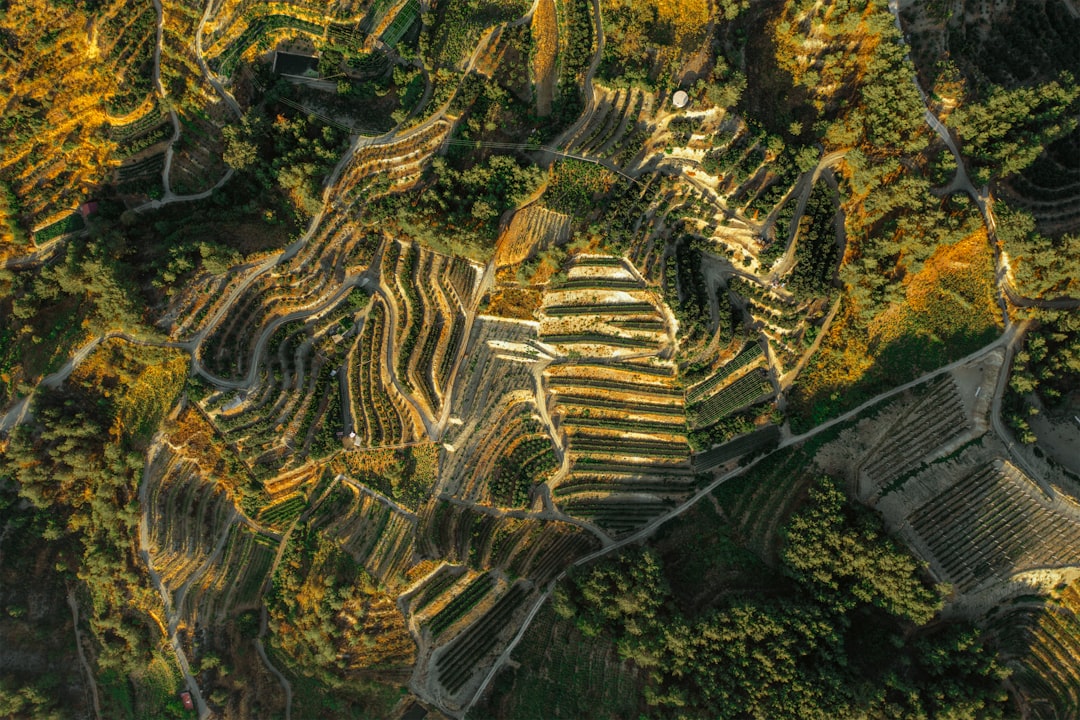
UNESCO heritage. The terraced vineyards rising vertically from the Douro river are visually unlike any other wine region. Once primarily known for Port, the modern Douro produces serious unfortified table wines that are still under-priced for their quality.
What to drink: A serious Douro red blend from indigenous grapes (Touriga Nacional, Touriga Franca, Tinta Roriz). Look for Reserva or single-vineyard bottlings.
Producers to know: Quinta do Crasto, Niepoort, Wine & Soul, Quinta do Vallado.
Why it punches above its weight: A top Douro red at $40 to $70 competes with serious Bordeaux at $80 to $150. The Touriga Nacional character is distinctive and impossible to replicate.
Where to go deeper: See the Douro Valley wine region guide and the Port wine guide for the fortified side.
9. Ribera del Duero, Spain
Spain’s serious Tempranillo region beyond Rioja. Continental climate, high altitude (around 800 metres), and dramatic temperature swings between day and night produce structured, age-worthy reds.
What to drink: Tempranillo from a serious estate. Both Reserva and Gran Reserva levels deliver complexity and ageing potential.
Producers to know: Vega Sicilia (the legendary one), Pingus (cult), Pesquera, Aalto, Emilio Moro.
Why it punches above its weight: Top Ribera del Duero at $40 to $80 is comparable to Napa Cab or Bordeaux at $100+.
Where to go deeper: See the Ribera del Duero wine region guide.
10. Hawke’s Bay, New Zealand
New Zealand beyond Marlborough Sauvignon Blanc. Hawke’s Bay on the east coast of the North Island produces serious Bordeaux-style reds and Syrah, often at prices that have not yet caught up with the quality.
What to drink: Cabernet or Merlot blends from the Gimblett Gravels sub-region. Syrah from the same area.
Producers to know: Craggy Range, Te Mata Estate, Trinity Hill, Black Barn Vineyards.
Why it punches above its weight: Top Hawke’s Bay Bordeaux blend at $40 to $80 outperforms most Australian Cabernet at the same price.
Where to go deeper: See the Hawke’s Bay wine region guide.
Common Themes Across These Regions
A few patterns emerge once you spend time with the wines.
Indigenous grapes carry less brand premium. Touriga Nacional, Nebbiolo, Mencía, Albariño, and other less-famous grapes from these regions are priced based on quality, not name recognition. Famous grapes (Cabernet, Pinot Noir) carry a brand tax even in less famous regions.
Geography limits production. Most of these regions are small. Mosel produces a fraction of Bordeaux’s volume. Priorat is tiny. Hawke’s Bay is geographically constrained. Limited supply keeps prices reasonable.
Producer-led drinking pays off. Across all these regions, identifying serious producers matters more than identifying the region. A great producer in a less famous region almost always outperforms a generic producer in a famous region.
How to Explore These Regions
A few practical approaches.
One region per quarter. Pick one of the 10 above. Buy 4 to 6 bottles across price tiers and styles. Drink across 8 to 12 weeks. Take notes. Your understanding of the region’s range builds quickly.
Pair with the food culture. Each region has a food tradition that aligns with the wines. Mosel Riesling with pork and choucroute. Priorat with grilled lamb. Douro with roast pork. The wine makes more sense alongside its native cuisine.
Read the producer story. Many of these wines come from family estates with multi-generation histories. The story is itself part of the experience.
If Priorat, Rías Baixas, and Ribera del Duero are new territory, the WSET Level 2 quiz on Italian and Spanish wine regions is a quick way to lock the geography in.
For trip planning, see our top 10 wine regions to visit this summer and first European wine trip guide.
The Cellar Building Implication
If you are building a real wine cellar (see our first real wine cellar guide), these 10 regions deserve disproportionate weight relative to their famous neighbours. A cellar with 30 percent Bordeaux, 20 percent Burgundy, and 50 percent split across these 10 regions will outperform a cellar weighted toward famous regions at the same total spend. The reason is simple: price-to-quality is more favourable, ageing potential is comparable, and the wines have more personality on the table.
Explore with Sommo
Building a personal map of these regions takes years if you do it through occasional bottles, or months if you do it deliberately with structured notes. Sommo lets you scan each bottle, pin the producer to the world wine map, and save tasting notes against the WSET framework. After 30 to 50 entries across the regions above, you will have a working atlas of where to look for value across price tiers. The Wine Character Analysis also identifies which underrated region your palate most aligns with, often surprising drinkers who assumed they preferred more famous appellations.
Download Sommo free and start mapping the regions most drinkers never get to know.