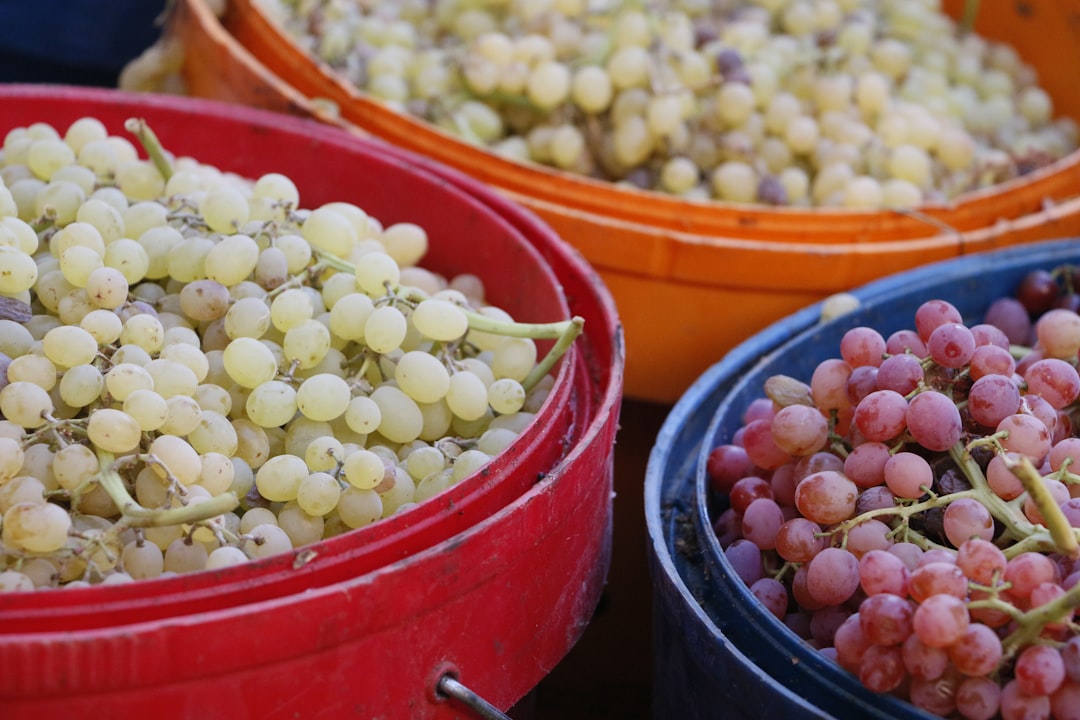
There are roughly 10,000 known wine grape varieties in the world. Around 100 dominate global production. Around 20 dominate everyday drinking in most markets. Cabernet Sauvignon, Merlot, Chardonnay, Pinot Noir, Sauvignon Blanc, Syrah, and Malbec take up most of the shelf space at most wine shops, and most of the conversation at most dinners.
The wines made from the other 9,900 grapes range from regional curiosities to genuine masterpieces. Some have been quietly producing world-class wine for centuries with almost no international recognition. Some have only recently been rediscovered by serious producers after decades of decline. All of them reward curiosity, often dramatically out of proportion to their price.
This guide covers 10 underrated grape varieties that deserve your attention in 2026. Each one produces wines with serious character. Each is widely available enough to find with modest effort. Each has at least one or two producers making bottles that would surprise drinkers who think they have already mapped the wine world.
Why These Grapes Are Underrated
Three patterns explain why most of these grapes are not on supermarket shelves.
Small production. A grape grown only in a small region cannot compete with international plantings of Cabernet or Chardonnay. The geography limits the brand.
Difficult name recognition. Touriga Nacional is genuinely harder to remember than Cabernet. Names matter for casual buyers.
Recent revival. Several of the grapes below were nearly abandoned in the 20th century and only revived in the last 20 to 30 years by careful producers.
The pricing implication is positive. Underrated grapes from serious producers regularly outperform mainstream grapes at the same price point.
The 10 Picks
1. Touriga Nacional (Portugal)
Portugal’s national grape, and the backbone of both Port and the increasingly serious unfortified Douro reds. Touriga Nacional produces concentrated, structured wines with dark fruit, violet aromatics, and the kind of tannic backbone that supports decades of ageing.
Why it is underrated: Mostly grown in Portugal, where international marketing budgets are thin. The wines compete with Bordeaux and Napa at half the price.
Producers to know: Quinta do Vallado, Quinta do Crasto, Niepoort.
Where to drink it: Read more about the grape on the Touriga Nacional grape page and the broader Douro Valley wine region guide.
2. Nebbiolo (Italy)
The grape behind Barolo and Barbaresco. The greatest red of Piedmont, possibly the most age-worthy red in Italy. Pale in colour but intensely aromatic (rose, tar, dried cherry, leather) with serious tannin and acidity.
Why it is underrated: Outside Italy, Cabernet and Pinot Noir dominate the prestige conversation. Nebbiolo is comparably profound at often lower prices, especially from Alto Piemonte producers (Ghemme, Gattinara, Carema) that are less famous than the Langhe.
Producers to know: Bruno Giacosa, Giacomo Conterno, Produttori del Barbaresco. For Alto Piemonte: Antoniolo, Travaglini.
Where to drink it: See the Nebbiolo grape page and Piedmont wine region guide.
3. Muscat / Moscato (Italy and Beyond)
The most aromatic grape on earth. Muscat produces everything from light, lightly-fizzy Moscato d’Asti to serious dry whites in Alsace to legendary fortified Rutherglen Muscat from Australia. The same grape makes more distinct styles than almost any other.
Why it is underrated: Bad mass-market sweet Moscato gave the grape an unfair reputation. Real Muscat across its range is one of the most distinctive and rewarding grapes in wine.
Producers to know: Vietti, Bera (Moscato d’Asti). Trimbach, Domaine Weinbach (dry Muscat from Alsace). Chambers, Stanton & Killeen (Rutherglen Muscat).
Where to drink it: See the Muscat grape page and the Moscato grape page.
4. Mencía (Spain)
The Spanish grape that drinks like a love letter to Pinot Noir. Grown primarily in Bierzo and Ribeira Sacra (northwestern Spain), Mencía produces medium-bodied reds with red fruit, herbs, graphite minerality, and unusual elegance for a Spanish red.
Why it is underrated: Bierzo is small. The grape is mostly unknown outside Spain. The wines deliver Burgundy-like character at a third of Burgundy prices.
Producers to know: Raúl Pérez, Dominio do Bibei, Algueira, Guímaro.
Where to drink it: Most often found at independent wine shops rather than supermarkets. Worth asking your local shop to stock if they do not already.
5. Pinotage (South Africa)
South Africa’s signature red grape. A cross of Pinot Noir and Cinsault, created in 1925. Once made in a style that earned the grape a bad reputation (overripe, burnt-rubber notes), modern Pinotage from serious producers is precise, age-worthy, and distinctive.
Why it is underrated: The bad-reputation era is still recent enough that international buyers are cautious. The current generation of producers has rehabilitated the grape entirely.
Producers to know: Kanonkop, Beyerskloof, Spioenkop, Bizoe.
Where to drink it: See the Pinotage grape page and the Stellenbosch wine region guide.
6. Nerello Mascalese (Sicily)
The Etna grape. Grown on the volcanic slopes of Mount Etna in eastern Sicily at altitudes up to 1,000 metres. Produces wines with the colour and weight of Pinot Noir, the mineral edge of Burgundy, and a distinctive smoky volcanic character.
Why it is underrated: Almost nobody outside the wine trade knew the grape existed until 2010. The category is now one of the most exciting in Italy but still under-priced relative to its quality.
Producers to know: Frank Cornelissen, Tenuta delle Terre Nere, Passopisciaro, Pietradolce.
Where to drink it: See the Nerello Mascalese grape page and the Sicily wine region guide.
7. Grüner Veltliner (Austria)
Austria’s signature white grape. Produces wines with citrus, white pepper, mineral undertones, and surprising structure for a white. The serious examples from Wachau, Kremstal, and Kamptal age beautifully and pair with an enormous range of food.
Why it is underrated: Austrian wine is small in global terms. Austrians drink most of what they make. International recognition is growing but still trails the wine’s quality.
Producers to know: Knoll, F. X. Pichler, Hirtzberger (Wachau). Bründlmayer (Kamptal). Salomon-Undhof (Kremstal).
Where to drink it: See the Grüner Veltliner grape page, Wachau wine region guide, and Kamptal wine region guide.
8. Frappato (Sicily)
The lighter Sicilian red. Translucent, floral, cherry-driven. Often blended with Nero d’Avola in the Cerasuolo di Vittoria DOCG, the only DOCG-status wine in Sicily, but also makes excellent single-varietal wines.
Why it is underrated: A genuinely refreshing red in a category dominated by big-bodied reds. Frappato chilled in summer is one of the most enjoyable wine experiences available.
Producers to know: COS, Arianna Occhipinti, Valle dell’Acate.
Where to drink it: See the chilled red wines guide and the Sicily wine region guide.
9. Carricante (Sicily)
The white counterpart to Etna’s Nerello Mascalese. Grown on the same volcanic slopes. Produces some of the most distinctive white wines in Italy: bone-dry, mineral, with citrus and salty character and serious ageing potential.
Why it is underrated: Even more obscure than Nerello Mascalese. Almost unheard of outside Italy until the last decade.
Producers to know: Benanti, Pietradolce, Graci.
Where to drink it: Etna Bianco DOC wines. Available at serious wine shops with an Italian focus.
10. Cabernet Franc (Loire Valley, Tuscany, beyond)
Cabernet Sauvignon’s parent grape. Often dismissed as a blending grape in Bordeaux but produces stunning single-varietal wines in the Loire (Chinon, Bourgueil, Saumur-Champigny) and increasingly in Tuscany, California, and Argentina.
Why it is underrated: Lives in Cabernet Sauvignon’s shadow despite being older, more aromatic, and often more food-friendly.
Producers to know: Bernard Baudry (Chinon), Charles Joguet (Chinon), Couly-Dutheil. Italy: Castello del Terriccio.
Where to drink it: See the Cabernet Franc grape page and the Loire Valley wine region guide.
How to Buy Underrated Grapes
A few practical sourcing notes.
Build a relationship with one independent shop. Mainstream chains carry the mainstream grapes. The smaller, more curated shops are where underrated varieties live. Most serious wine shops will order specific bottles for you if you ask.
Ask about house favourites. Wine shop staff often have personal favourites that overlap heavily with this list. The conversation is part of the value of shopping at a real shop.
Online specialists. K&L Wine Merchants, Berry Bros & Rudd, and similar serious retailers carry deep selection of these grapes. See our best wine delivery services 2026 guide.
Try at restaurants first. A good restaurant with a thoughtful list often pours these grapes by the glass. Trying first reduces the risk of buying a full bottle that does not work for your palate.
Why Underrated Grapes Are the Best Value in Wine
Famous grape varieties carry a brand premium. A bottle of $40 Cabernet from a famous region has roughly $20 of wine and $20 of name in it. A bottle of $40 Touriga Nacional from a serious producer is closer to $35 of wine and $5 of name.
This means a $25 Mencía from Bierzo or a $30 Nerello Mascalese from Etna often outperforms a $50 Pinot Noir from a famous appellation. The maths is consistent across the category: lesser-known grapes from serious producers deliver more wine per dollar than famous grapes from similarly-positioned producers.
For broader value drinking, see our best wines under $20 in 2026 and best wines for the money posts.
A Tasting Plan
If you want to explore the 10 grapes above seriously, a working six-month plan:
Month 1 to 2: Touriga Nacional, Nebbiolo. Both are powerful reds; pair with serious food.
Month 3: Muscat across styles. One Moscato d’Asti, one dry Alsatian Muscat, one Rutherglen Muscat dessert wine. The same grape, three worlds.
Month 4: Mencía and Cabernet Franc side by side. Both medium-bodied reds with similar food applications; comparing them reveals each grape’s personality.
Month 5: Pinotage and Nerello Mascalese. Two regional reds making strong arguments for their respective wine countries.
Month 6: Grüner Veltliner, Carricante, Frappato. The lighter, more refreshing wines for warm weather.
After six months, you will have a working understanding of 10 grape varieties that most casual wine drinkers will never explore. The compounding effect on your palate and your ability to read wine lists is substantial. If you want a benchmark along the way, the WSET Level 2 grape varieties quiz is a quick check of how far past the mainstream twenty you have moved.
Explore with Sommo
The fastest way to map your palate against these underrated grapes is to track every bottle you try. Sommo lets you scan each wine, save tasting notes with structured prompts, and link each producer to your personal map of grape varieties and regions. The Wine Character Analysis identifies patterns over time: maybe you consistently prefer aromatic mineral whites (Carricante, Grüner Veltliner) over riper New World versions, or volcanic reds (Nerello Mascalese, Etna) over more polished international styles. Patterns you cannot see in real time but become obvious in a journal.
Download Sommo free and start exploring the grapes most drinkers never get to know.