Tuscany Wine Guide for First-Time Visitors
Planning your first wine trip to Tuscany? This guide covers the 5 key regions, essential wines, must-visit wineries, and practical tips.
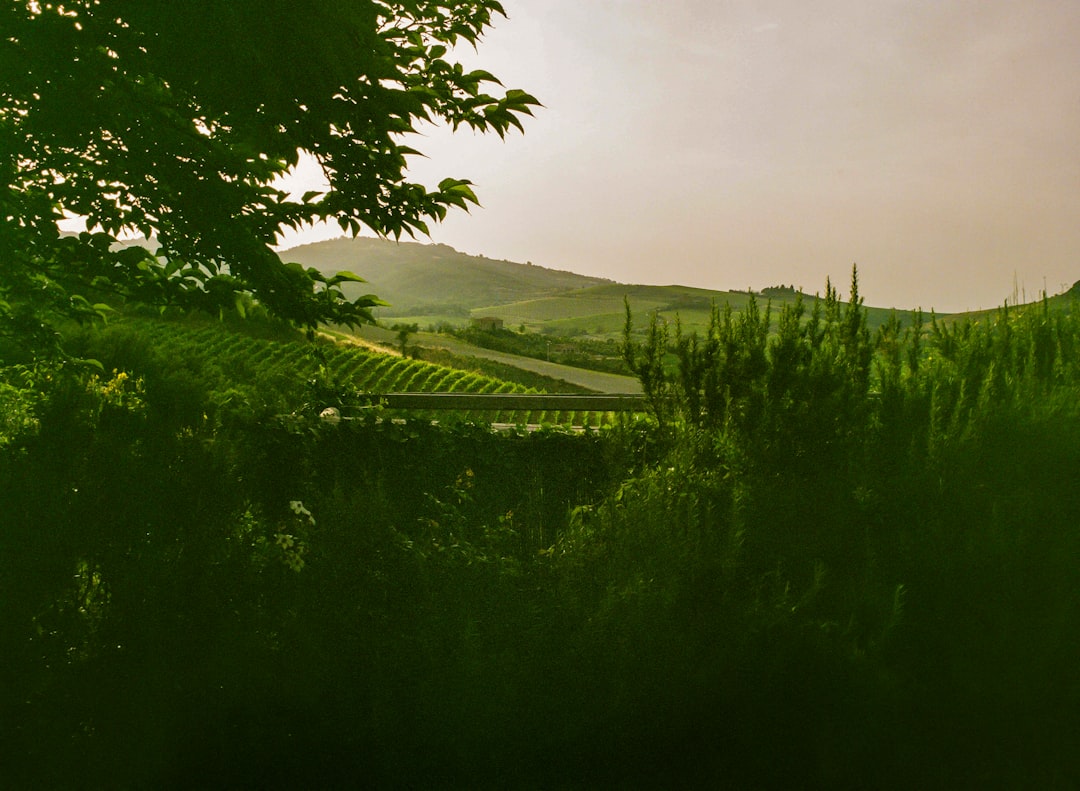
Tuscany is what most people picture when they imagine Italian wine country. Rolling hills striped with vineyards. Cypress trees marking ancient roads. Medieval villages on hilltops.
And it delivers. Tuscany isn’t overrated. It’s the rare destination that matches the fantasy.
But it’s also complex. Five major wine zones. Dozens of DOC and DOCG classifications. Thousands of producers ranging from €8 bottles to €800 bottles.
This guide strips away the confusion and gives you everything you need for your first Tuscan wine trip.
Understanding Tuscan Wine (The 10-Minute Primer)
The Grape: Sangiovese
Sangiovese is Tuscany’s soul. This red grape appears in virtually every major Tuscan wine under different names and in different blends.
Signature characteristics:
- Cherry fruit (sour cherry, not sweet)
- Dried herbs (oregano, thyme)
- Earthy, leathery notes
- Bright acidity (mouth-watering)
- Firm but not aggressive tannins
Sangiovese tastes like Tuscany itself: sunny, savory, and food-friendly.
The 5 Major Wine Regions
| Region | Signature Wine | Character | Price Range |
|---|---|---|---|
| Chianti Classico | Chianti Classico DOCG | Cherry, herbs, medium body | $18 to $50 |
| Montalcino | Brunello di Montalcino | Powerful, age-worthy, complex | $50 to $300+ |
| Montepulciano | Vino Nobile di Montepulciano | Elegant, slightly softer | $25 to $60 |
| Bolgheri | Super Tuscans | Bordeaux grapes, modern style | $40 to $400+ |
| San Gimignano | Vernaccia | Crisp white wine | $12 to $30 |
Decoding Tuscan Wine Labels
DOCG: Denominazione di Origine Controllata e Garantita. Highest quality designation with strict production rules.
DOC: One level below DOCG. Still quality-controlled.
Riserva: Aged longer before release (usually 2+ years). Generally higher quality.
Gran Selezione: Chianti Classico’s top tier, introduced in 2014. Single vineyard or best barrel selection. Minimum 30 months aging.
IGT (Indicazione Geografica Tipica): Originally created for “Super Tuscans” that didn’t fit DOC rules. Can indicate innovative, high-quality wines.
Region Deep Dives
Chianti Classico: The Heart of Tuscany
What it is: The original Chianti zone between Florence and Siena. Look for the black rooster (Gallo Nero) symbol.
The wines:
- Chianti Classico: Minimum 80% Sangiovese. Cherry, herbs, medium tannins. ($18 to $35)
- Chianti Classico Riserva: 24+ months aging. More complexity. ($30 to $60)
- Chianti Classico Gran Selezione: The top tier. ($50 to $150)
Best for: First-time visitors wanting accessible wines and classic Tuscan scenery.
Top producers to visit:
- Antinori nel Chianti Classico (stunning modern architecture, €25 to €60 tastings)
- Castello di Ama (art + wine, €35 to €50 tastings)
- Fontodi (organic pioneer, €20 to €40 tastings)
- Isole e Olena (benchmark quality, €25 to €45 tastings)
Montalcino: Brunello Country
What it is: A hilltop town south of Siena producing Italy’s most prestigious Sangiovese.
The wines:
- Brunello di Montalcino: 100% Sangiovese, minimum 5 years aging. The benchmark. ($50 to $300+)
- Rosso di Montalcino: “Baby Brunello.” Same grapes, less aging, more affordable. ($20 to $40)
Best for: Serious wine lovers seeking age-worthy, complex wines.
The Brunello experience: Brunello is structured wine designed for aging. Young Brunello (less than 10 years) can be tight. If you’re buying to drink soon, choose Rosso di Montalcino or ask for older vintages.
Top producers to visit:
- Biondi-Santi (invented Brunello, exclusive experience, book months ahead, €100+)
- Poggio di Sotto (pristine traditional style, €40 to €80)
- Casanova di Neri (modern excellence, €30 to €60)
- Col d’Orcia (value with quality, €20 to €40)
Montepulciano: The Elegant Alternative
What it is: A beautiful hilltop town producing Vino Nobile, Sangiovese’s elegant expression.
The wines:
- Vino Nobile di Montepulciano: Sangiovese-based (locally called Prugnolo Gentile). Softer than Brunello, more accessible young. ($25 to $60)
- Rosso di Montepulciano: The everyday version. ($15 to $25)
Don’t confuse with: Montepulciano d’Abruzzo is a different grape from a different region entirely.
Best for: Those who want Brunello character at lower prices with more approachable tannins.
Top producers to visit:
- Avignonesi (also famous for Vin Santo, €25 to €60 tastings)
- Poliziano (excellent quality, €20 to €45 tastings)
- Boscarelli (family estate, €20 to €40 tastings)
Bolgheri: The Rebel Coast
What it is: A coastal zone that broke Italian rules by planting Bordeaux grapes (Cabernet, Merlot) instead of Sangiovese.
The wines:
- Super Tuscans: Sassicaia, Ornellaia, Tignanello. Bordeaux-style wines that became global phenomena. ($100 to $500+)
- Bolgheri DOC: More affordable coastal blends. ($25 to $80)
Best for: Fans of Bordeaux-style wines seeking Italian character.
Top producers to visit:
- Ornellaia (stunning estate, €60 to €150 experiences)
- Tenuta San Guido (Sassicaia, appointment only, €80+)
- Ca’Marcanda (Gaja’s coastal venture, €50 to €100)
San Gimignano: The White Wine Exception
What it is: Medieval tower town producing Tuscany’s best-known white wine.
The wine:
- Vernaccia di San Gimignano: Crisp, mineral white wine with almond notes. ($12 to $30)
Best for: A day trip combining dramatic architecture with refreshing whites.
Where to Base Yourself
For First-Timers: Montepulciano
Pros:
- Larger town with restaurants, shops, and atmosphere
- Beautiful Renaissance architecture
- Accessible wines (less intimidating than Brunello)
- Central location for day trips
- Less crowded than Chianti
Cons:
- Steep streets require fitness
- Further from Florence airport
Budget: €80 to €150/night for good hotels
For Wine Purists: Montalcino
Pros:
- Immersed in Brunello country
- Spectacular views
- Serious wine focus
- Compact and walkable
Cons:
- Small town with limited dining options
- Can feel isolated
- Wines are expensive
Budget: €100 to €200/night for good hotels
For Chianti Access: Greve in Chianti
Pros:
- Central to Chianti Classico
- Saturday market is excellent
- Good restaurants
- Easy Florence access
Cons:
- More commercial/touristy
- Less dramatic scenery than southern Tuscany
Budget: €90 to €160/night for good hotels
For Culture + Wine: Siena
Pros:
- Major city with museums, restaurants, and nightlife
- Good public transport connections
- The Palio horse race (July and August)
Cons:
- Day trips required to reach vineyards
- City driving is impossible
Budget: €100 to €200/night for good hotels
For Immersion: Agriturismo (Farm Stay)
Pros:
- In the vineyards themselves
- Often includes breakfast with local products
- May have on-site wine production
- Authentic experience
- Best value
Cons:
- Car absolutely required
- Limited services
Budget: €70 to €130/night
Practical Planning
Booking Winery Visits
Most quality producers require appointments. Book at least 1 to 2 weeks ahead; famous estates need 1 to 2 months.
Email template:
Subject: Tasting Request for [Date]
We are [number] visitors from [country] visiting Tuscany on [date]. We would like to book a tasting at [preferred time]. We have [beginner/intermediate/advanced] wine knowledge and are particularly interested in [specific wines if applicable].
Thank you for your consideration.
Tasting Costs (2026 Estimates)
| Experience Type | Typical Cost |
|---|---|
| Basic tasting (3 to 5 wines) | €15 to €25 |
| Premium tasting (reserve wines) | €35 to €60 |
| Tasting with light food pairing | €40 to €70 |
| Full tour + tasting | €30 to €50 |
| Private/VIP experience | €100 to €200+ |
Budget for 2 tastings per day. Three is possible but fatiguing.
Driving vs. Drinking
You need a car in Tuscany. Vineyards are spread across the countryside.
Solutions:
| Option | Pros | Cons |
|---|---|---|
| Spit at tastings | Professional practice, free | Requires discipline |
| Designate a driver | One person drinks freely | Unfair rotation |
| Hire a driver for big days | Both taste fully, local knowledge | €200 to €400/day |
| Stay walkable to a few producers | No driving stress | Limits options |
Best Times to Visit
| Season | Experience | Considerations |
|---|---|---|
| April to May | Mild weather, green vineyards, fewer crowds | Spring can be rainy |
| June | Long days, full foliage, pleasant weather | Prices rising |
| September to October | Harvest excitement, peak colors | Wineries busy, book early |
| November to March | Cheapest, quietest | Gray weather, some closures |
Sweet spot: Late May or early October.
The Tuscan Food Equation
Wine in Tuscany is inseparable from food.
Essential dishes to pair with Sangiovese:
- Bistecca alla fiorentina: Massive T-bone, charred outside, rare inside. One of the great wine and steak pairings, demanding Chianti Classico or Brunello.
- Pici pasta: Hand-rolled thick spaghetti with ragù. Perfect with Rosso di Montalcino.
- Ribollita: Bread and vegetable soup. Comfortable with everyday Chianti.
- Pecorino cheese: Sheep’s milk cheese from Pienza. Aged versions are a perfect wine and cheese pairing.
- Wild boar (cinghiale): Braised or in ragù. Needs tannic wine.
Restaurant Recommendations by Zone
Montalcino:
- Il Leccio (traditional, moderate)
- Osteria di Porta al Cassero (local favorite)
Montepulciano:
- La Grotta (upscale, valley views)
- Osteria Acquacheta (bistecca specialist)
Chianti:
- Dario Cecchini (famous butcher’s restaurant, Panzano)
- Ristorante Solociccia (all meat, same butcher)
What to Buy and Bring Home
Best Value Purchases
- Brunello di Montalcino: Hard to find cheap elsewhere. Buy directly.
- Chianti Classico Gran Selezione: Premium quality, reasonable compared to French equivalents.
- Vin Santo: Tuscany’s dessert wine. Often given as gifts.
- Rosso di Montalcino: Brunello’s affordable sibling. Great immediate drinking.
Getting Wine Home
| Method | Capacity | Cost | Reliability |
|---|---|---|---|
| Winery shipping | Unlimited | €30 to €60/case | High but slow |
| Wine skins in luggage | 6 to 12 bottles | €30 for skins | Good if packed well |
| Shipping consolidator | Unlimited | Varies | Research required |
Check customs limits for your country before buying cases.
Sample Itineraries
5-Day First Timer
Day 1: Arrive Florence, drive to Montepulciano base, explore town Day 2: Morning: Avignonesi tasting. Afternoon: Montepulciano wine cellars. Day 3: Day trip to Montalcino (Brunello tastings, fortress sunset) Day 4: Pienza (UNESCO village, pecorino) + Val d’Orcia drive Day 5: Chianti on route to Florence airport
7-Day Comprehensive
Days 1 to 2: Montepulciano base (Vino Nobile focus) Day 3: Montalcino full day (Brunello) Day 4: Pienza and Val d’Orcia (scenery and cheese) Day 5: Move to Chianti, afternoon tasting Day 6: Full Chianti day (2 estates + lunch) Day 7: Florence departure
Use Sommo to document every tasting. You’ll want to remember which Brunello producer moved you and which Chianti deserves a case when you get home.
Liked this read? Try the app.
Scan any wine label with AI, build your tasting journal, and learn wine your way.