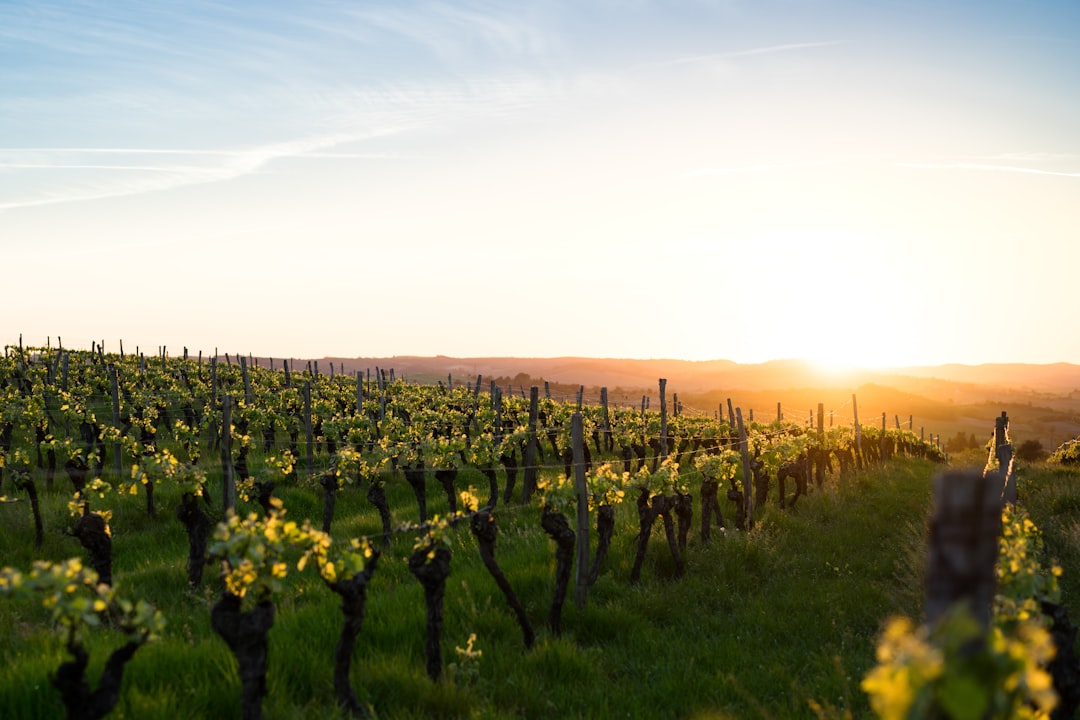
Wine country was built for couples. The slow pace, the long lunches, the candlelit dinners with a producer’s son recommending a bottle, the drive between villages where the only soundtrack is wind through vines: every part of the experience is designed for two people who want to stop time for a few days.
Not every region delivers equally. Some are stunning but exhausting. Some are romantic but the food disappoints. Some have the wine but lack the rest. This guide is curated for the trip you actually want: world-class wine paired with the kind of evenings, hotels, and views that turn into the memories you talk about for years. These are the ten regions to plan around if you and your partner want a wine getaway that is genuinely romantic.
What Makes a Region Romantic
A few criteria shaped this list. Scenic landscape that rewards slow drives and long walks. A walkable village or small town as a base. At least one stretch of remarkable food. Wineries that welcome two visitors warmly rather than processing tour groups. A range of accommodation, from intimate guesthouses to small luxury hotels. And the kind of light, weather, or natural feature (a lake, a coastline, a mountain backdrop) that gives the trip a postcard quality. The regions below all check these boxes.
1. Tuscany, Italy
There is a reason Tuscany sits at the top of every romantic wine travel list, and it earns its reputation. The golden hills around Chianti Classico, the cypress-lined drives between Montalcino and Pienza, the medieval hill towns at sunset, the slow lunches that turn into dinners: Tuscany is the postcard wine region for couples, and the postcard is real.
The wines back up the scenery. Chianti Classico from a top producer, Brunello di Montalcino from a great vintage, Vino Nobile di Montepulciano, and the renegade Super Tuscans from coastal Bolgheri all reward a few days of focused tasting. Producers like Castello di Ama, Biondi-Santi, Avignonesi, and Ornellaia welcome visitors with proper hospitality.
Where to stay: A small relais like Borgo San Felice or Castello di Velona, or a converted farmhouse (agriturismo) in the Crete Senesi for something quieter and more personal.
Don’t miss: A sunset aperitivo at Pienza overlooking the Val d’Orcia. Bring a bottle of Brunello.
2. Provence, France
Provence is summer wine country in its most idealised form. The lavender fields, the cicada-loud afternoons, the cool stone houses, the Mediterranean a short drive away: every detail seems designed for two people on holiday. The wines, mostly pale dry rosé from Bandol, Côtes de Provence, and the Var, are the perfect liquid expression of the place.
The most romantic base is the Luberon, with hilltop villages like Ménerbes, Gordes, and Bonnieux. From there, you can drive to Bandol on the coast for the famous Mourvèdre-based reds, then back inland for the rosés. The food (olive oil, garlic, lamb, herbs) is some of the most romantic eating in France.
Where to stay: La Bastide de Marie outside Ménerbes for serious luxury, or a small chambre d’hôtes in any of the perched villages for something more intimate.
Don’t miss: A long lunch at Domaine Tempier in Bandol if you can get the booking. The Mourvèdre wines age for decades and the vineyard rolls down to the sea.
3. Champagne, France
There are wine regions that produce wine for celebrations, and there is the region that defined celebration itself. Champagne is just over an hour by train from Paris, which makes it the easiest romantic wine escape from any major European city, and the experience itself is unmatched. The chalk cellars beneath Reims and Épernay, dug centuries ago, run for kilometres under the streets. Walking them, glass in hand, in the company of one other person, is a particular kind of magic.
Plan visits to a mix of the famous houses (Krug, Bollinger, Charles Heidsieck, or Pol Roger) and smaller grower Champagnes (Egly-Ouriet, Cédric Bouchard, Selosse if you can secure the appointment). The grower wines often have more personality and less marketing, and they are now where the most exciting Champagne is being made.
Where to stay: Royal Champagne Hotel & Spa outside Épernay for the spa-and-vineyard view experience. Hôtel Crayères in Reims for old-school grand hotel luxury.
Don’t miss: A vertical tasting at Krug if you can arrange it. Drinking three vintages of the same wine, side by side, is a date in itself.
4. Santorini, Greece
The most cinematic wine region in Europe, and almost nobody outside of serious wine people knows it produces serious wine. The white volcanic soils of Santorini have grown vines for over 3,000 years, and the indigenous Assyrtiko grape produces some of the most distinctive whites in the world: bone-dry, mineral, briny, with a tension that reads almost like Chablis but with a salty, sun-drenched character all its own.
The vines themselves are spectacular: trained in low, basket-shaped coils (“kouloura”) to protect from wind and concentrate sugars. The producers (Domaine Sigalas, Hatzidakis, Argyros, Gaia) often have tasting rooms with views over the caldera. Pair the Assyrtiko with grilled octopus or local fava and you have one of the great Mediterranean wine pairings.
Where to stay: A cave hotel in Oia for sunset views over the caldera. Imerovigli is quieter than Oia and equally beautiful.
Don’t miss: A late afternoon tasting at Domaine Sigalas followed by dinner at a seafood taverna in Ammoudi Bay below Oia. The light over the cliffs at sunset is the reason this place exists.
5. Douro Valley, Portugal
The Douro Valley is for couples who want their wine country dramatic. The terraced vineyards rise nearly vertically from the river in narrow shelves carved by hand over centuries. Drive any of the side roads above Pinhão and you will pull over every few minutes to take a photograph. River cruises from Régua or Pinhão let you see the valley from below, which is the angle most travellers miss.
The wines are split between Port (still the most famous category) and a growing number of brilliant unfortified table wines from indigenous grapes. Quinta do Crasto, Niepoort, Wine & Soul, and Quinta do Vallado are the producers to know. Many offer luxury accommodation directly on the estate, so you can taste at sunset and wake up to the same view.
Where to stay: Quinta do Crasto or Six Senses Douro Valley for serious luxury. The Vintage House Hotel in Pinhão for a more central village base.
Don’t miss: Dinner on the terrace at DOC, the riverside restaurant from chef Rui Paula. The river, the food, and a bottle of aged Touriga Nacional in one frame.
6. Napa Valley, California
If you want the most polished, hospitality-perfected wine country experience in the world, Napa Valley is the answer. The valley has spent four decades building itself into the global benchmark for wine tourism, with spa hotels, Michelin restaurants, helicopter tours, and tasting rooms that range from intimate to architectural.
The wines are bold, polished, and expensive. The luxury infrastructure is the real draw. A weekend at Auberge du Soleil with dinner at The French Laundry and a private tasting at a top Cabernet producer like Spottswoode or Corison is the textbook “milestone trip” wine experience.
Where to stay: Auberge du Soleil, Calistoga Ranch (when it reopens), or Meadowood. Stylish smaller options include Bardessono and Solage.
Don’t miss: A Cabernet Sauvignon tasting at Corison Winery. Cathy Corison has been making elegant, age-worthy Napa Cab for decades, and her tasting room is one of the most personal experiences in the valley.
7. Mendoza, Argentina
The Andes are the backdrop. The wines are world-class Malbec. The food culture is built around long, slow grilled meals (asado) that pair with red wine effortlessly. Mendoza is a long flight for most couples but the experience justifies it: high-altitude vineyards (some over 1,500 metres), genuine luxury at lower prices than Napa or Bordeaux, and a regional pace that genuinely encourages two people to disconnect.
Uco Valley is the most exciting subregion, with producers like Bodega Catena Zapata, Achaval-Ferrer, and Salentein at the high end, and a growing scene of small natural-leaning producers at the more interesting end. Many estates have luxury accommodation and on-site restaurants.
Where to stay: The Vines Resort & Spa or Cavas Wine Lodge for a full vineyard-resort experience.
Don’t miss: A horseback ride through high-altitude vineyards followed by an asado lunch with a vertical Malbec tasting. It is the most Argentine experience available.
8. Stellenbosch, South Africa
The Cape Winelands east of Cape Town combine genuinely great wine, jaw-dropping mountain scenery, and some of the best fine dining in the southern hemisphere, all at prices that still feel reasonable compared to European or Californian equivalents. Stellenbosch is the most polished base, but Franschhoek and Constantia are equally compelling.
The wines span styles: Cabernet and Cabernet blends from Stellenbosch, Pinot Noir and Chardonnay from cooler Hemel-en-Aarde, Chenin Blanc from Swartland, and the rare sweet wine Vin de Constance from Klein Constantia, a wine Napoleon allegedly ordered from St Helena. Producers like Kanonkop, Mullineux, Hamilton Russell, and Reyneke are all welcoming to visitors.
Where to stay: Delaire Graff Estate for serious luxury and the view back to Stellenbosch. La Residence in Franschhoek for the elegant European-style alternative.
Don’t miss: Sunset on the helipad at Delaire Graff with a bottle of their Botmaskop Cabernet Franc. The view over the valley as the light fades is one of the best in the wine world.
9. Burgundy, France
Burgundy is for couples who want their romance quieter and more cerebral. The villages are tiny. The vineyards are walled, named, and sub-divided across centuries of inheritance. The wines (Pinot Noir for reds, Chardonnay for whites) are the most expressive expressions of place in the world, and tasting through a few villages is an education that no other region can provide.
The base is Beaune, a small walled town with a proper centre, a famous medieval hospital (the Hospices de Beaune), and enough good restaurants for a long weekend. From there, you drive the Route des Grands Crus through villages like Gevrey-Chambertin, Vosne-Romanée, and Puligny-Montrachet. Some of the most famous estates require Burgundy contacts, but many warm producers welcome thoughtful visitors.
Where to stay: Hostellerie de Levernois outside Beaune for old-school French luxury. Maison Lameloise in nearby Chagny pairs the hotel with a three-Michelin-star restaurant.
Don’t miss: A long lunch at Maison Lameloise or Le Bénaton in Beaune, with a bottle of Volnay or Meursault from a top producer. This is what people mean when they talk about French civilisation.
10. Alsace, France
The most underrated romantic wine region in France. Alsace sits along the German border, and the villages along the Route des Vins (Riquewihr, Eguisheim, Kaysersberg) look like they were lifted out of a storybook. Half-timbered houses, flower-filled balconies, narrow cobblestone streets, and vineyards starting at the edge of each village.
The wines are predominantly white: bone-dry to off-dry Riesling, aromatic Gewurztraminer, mineral Pinot Gris, and excellent Crémant d’Alsace sparkling. Pair them with the rich Alsatian cuisine (choucroute, baeckeoffe, tarte flambée) and you have a food and wine match that rivals anywhere in France.
Where to stay: A small hotel in Riquewihr or Eguisheim for the storybook experience. Hôtel Le Chambard in Kaysersberg if you want the Michelin restaurant experience.
Don’t miss: A bicycle ride along the Route des Vins between Riquewihr and Ribeauvillé in early autumn, with stops at small producers for tastings. The vines turn gold and the villages glow.
Planning Tips for Couples
A few practical notes that apply to all ten regions.
- Pick one region, not three. The most common mistake in wine country travel is trying to see too much. A four-night stay in one region beats two nights in three.
- Book the special dinners early. The Michelin restaurants and the producer-led dinners in any of these regions sell out months in advance. Decide on the one or two big meals before you book flights.
- Hire a driver for the tasting day. This is not optional if you both want to drink. A private driver for one day usually costs less than two of you trying to manage rental car logistics while half-buzzed.
- Pack a small soft cooler bag. Buying wine on the trip and finding you have nowhere to keep it cool until dinner is the most common minor frustration of wine country travel.
- Avoid the obvious tourist weekends. Most of these regions are quietest in late May, early June, and late September. Peak July and August can be busy and expensive.
- Settle the style question early. If the two of you disagree on what to drink, the wine quiz settles it before the first tasting.
For more on logistics, our first European wine trip guide covers planning fundamentals, and the seven-day European wine country itineraries post offers route-by-route plans.
Explore with Sommo
A romantic wine trip is one of those experiences that genuinely improves with a record. The wines you taste together, the producers you meet, the meals you remember: a few months later, they blur unless you have written them down. Sommo lets you scan each bottle, log notes through our tasting wizard, pin each producer to the world wine map, and build a private journal of the trip that the two of you can revisit years later. The Wine Cellar feature also lets you log any bottles you ship home so you remember exactly what is waiting for you when you open the case.
Download Sommo free and start mapping the next one together.