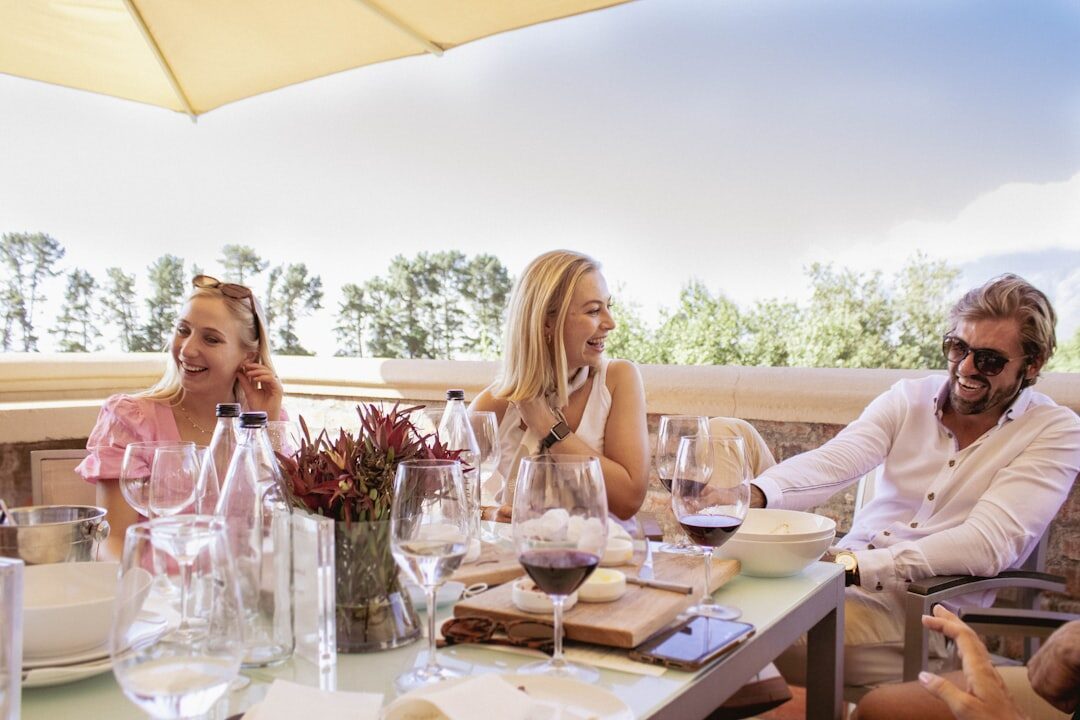
There is a specific kind of wine trip that is almost impossible to fake: six to eight close friends, a rented house with a long table, several days of nothing planned beyond the next meal and the next bottle. Couples trips are romantic. Solo trips are reflective. Family trips are logistical. A trip with your best friends is loud, slightly chaotic, and one of the great pleasures of adult life. It is also surprisingly hard to plan well.
The challenge with group wine travel is the logistics. Not every region works for eight people. Tasting rooms designed for two visitors do not handle a group politely. Villa rentals are expensive in some regions and rare in others. Restaurants need bookings weeks ahead. The wine map of the world has a small subset of regions that genuinely thrive on group travel, and this guide is built around them.
Here are ten wine regions where a friend-group trip works beautifully, with notes on accommodation, group dynamics, and what to actually do once you arrive.
What Makes a Region Good for Friends
Five traits cut through the noise.
Group accommodation. A villa, farmhouse, or large guesthouse that comfortably sleeps eight without anyone drawing the short straw on the sofa.
Walkable or short-drive base. A central village or small town where dinner is a short walk from where you are sleeping, and most of the wineries are within 30 minutes.
Tastings that handle groups. Producers used to hosting parties of six to eight, with the staff and infrastructure to handle a tasting without rushing you out the door.
Food culture that scales. Restaurants that handle large tables, markets you can shop for cook-at-home meals, and regional cuisine that pairs with sharing.
A non-wine activity for the day someone wants to skip tasting. Hiking, swimming, a cathedral, a market, anything that gives one or two friends a graceful exit from a tasting day.
All ten regions below tick all five boxes.
1. Chianti, Tuscany
The default and still the best. Tuscany is built for friend groups. Hundreds of villas across Chianti, Val d’Orcia, and the Sienese hills sleep eight to twelve people, often with pools, full kitchens, and views that look like they were designed for Instagram. The wine, the food, the language, the rhythm of a Tuscan day all align with what a group trip wants.
The setup: Rent a converted farmhouse (agriturismo) in the Chianti Classico zone between Florence and Siena. Aim for a property with a pool, an outdoor table that seats eight, and a kitchen big enough to handle a long lunch.
Producers that handle groups: Castello di Ama, Castello di Volpaia, Felsina, Querciabella all welcome groups with notice. Smaller producers like Montevertine require advance booking but reward the effort.
The non-wine activity: Florence is 45 minutes north. Siena is 30 minutes south. Either makes a perfect half-day escape.
For more on Tuscany specifically, see our Tuscany wine guide and Italian wine beyond Tuscany for follow-up trips.
2. Provence, France
The summer wine country in its idealised form. Provence handles groups beautifully, with thousands of mas (Provençal farmhouses) available for weekly rentals, a culture of long outdoor meals, and a wine style (rosé) that drinks easily across a long afternoon.
The setup: Base in the Luberon villages (Ménerbes, Gordes, Bonnieux) for the scenery, or in the Bandol area on the coast for the rosés and the Mediterranean. The Luberon is more dramatic; Bandol is more relaxed.
Producers that handle groups: Domaine Tempier in Bandol (with advance booking), Château Pradeaux, and the Provence rosé producers (Château Sainte Marguerite, Domaine Ott) all welcome group visits.
The non-wine activity: The Friday morning market in Apt is one of the best in France. Spend half a day buying for a long lunch.
3. Beaujolais, France
The under-the-radar pick. Beaujolais is dramatically less crowded than Burgundy just to the north, the producers are welcoming to groups, the villages are small and characterful, and Lyon (30 minutes south) gives you one of the great food cities of France for a base.
The setup: Either a villa in the Cru villages (Fleurie, Morgon, Chiroubles) or a base in Lyon with day trips up. The Lyon option offers more night life and food variety; the Cru villages offer authenticity and quiet.
Producers that handle groups: Many of the natural-wine-influenced producers are well used to small group visits. Jean Foillard, Yvon Métras, and Château Thivin all host groups with notice. The wines are well-suited to group drinking: light, food-friendly, perfect slightly chilled.
The non-wine activity: A day in Lyon. Old Lyon, the bouchons (traditional restaurants), the Saturday markets. The food culture alone is worth a full day.
See our Beaujolais wine guide for context on the wines themselves.
4. Mendoza, Argentina
The Andes backdrop is genuinely transformative for a group trip. The asado (traditional Argentine barbecue) is built for shared meals. The wineries scale from intimate to enormous, with several offering full property rentals or large group tasting experiences.
The setup: Rent a vineyard estate in Uco Valley or stay at one of the wine-resort hotels (The Vines Resort & Spa or Cavas Wine Lodge). The estate rental option gives you the asado-and-fire-pit-under-the-stars experience that defines a Mendoza trip.
Producers that handle groups: Bodega Catena Zapata, Achaval-Ferrer, and Salentein all welcome larger parties. Many smaller estates will design a customised group experience if you book early.
The non-wine activity: A horseback ride through high-altitude vineyards. Mendoza city is also worth a day for the markets and the food scene.
See our Mendoza wine guide for more.
5. Stellenbosch, South Africa
One of the most underrated friend-group destinations in wine. The Cape Winelands have spectacular mountain scenery, world-class food at half the price of European equivalents, and a culture of long, leisurely tasting visits. Most estates welcome groups of six to eight easily.
The setup: Rent a villa or estate house in Stellenbosch, Franschhoek, or Constantia. Several wine estates rent out their guest houses (Delaire Graff Estate, Boschendal, Babylonstoren) at the high end. For mid-budget, the towns themselves have excellent rental properties.
Producers that handle groups: Kanonkop, Mullineux, Hamilton Russell (in nearby Hemel-en-Aarde), Reyneke, and Klein Constantia all welcome group visits warmly.
The non-wine activity: A day in Cape Town. The city is 40 minutes from Stellenbosch. Table Mountain, the V&A Waterfront, and the seafood are all worth a half or full day.
For more on the region, see the Stellenbosch wine region guide.
6. Willamette Valley, Oregon
The most relaxed of the American wine regions. The Willamette Valley sits 45 minutes from Portland and produces serious Pinot Noir without the pretension or crowds of Napa. Tasting rooms tend to be small, family-run, and warm to groups.
The setup: Rent a vineyard property or a farmhouse around Dundee, Newberg, or McMinnville. The Allison Inn handles groups at the luxury end. Several wineries rent out cottages on their estates.
Producers that handle groups: Eyrie, Bethel Heights, Cristom, Beaux Frères, and most of the established Willamette producers welcome small group visits with notice.
The non-wine activity: A day in Portland for the food scene. Or a drive to the Oregon coast (90 minutes) for the dramatic Pacific scenery.
For more, see our Willamette Valley wine region guide.
7. Douro Valley, Portugal
The dramatic terraced vineyards of the Douro Valley make for an extraordinary group trip. The valley is steep, slow, and slightly remote, which means the experience feels genuinely earned, and the quintas (wine estates) often offer accommodation directly on the property.
The setup: Rent a quinta directly. Quinta do Crasto, Quinta do Vallado, and Quinta do Tedo all offer accommodation. Six Senses Douro Valley provides the luxury option. Pinhão is the central village for restaurants and logistics.
Producers that handle groups: Niepoort, Wine & Soul, Quinta do Vallado, and most of the table-wine-oriented producers welcome group visits.
The non-wine activity: A river boat ride down the Douro from Pinhão. The valley from the water is the angle most travellers miss, and it is genuinely spectacular.
8. Loire Valley, France
The Loire Valley is the friend-group destination that handles wine and non-wine activities equally well. The châteaux are world-famous (Chenonceau, Chambord, Villandry). The wine regions are diverse (Sancerre, Vouvray, Chinon, Saumur, Muscadet) and the rivers and villages are made for cycling.
The setup: Rent a château or large guesthouse near Tours or Saumur. The châteaux of the Loire often have buildings on their grounds available for rental. Smaller towns like Chinon, Vouvray, or Sancerre offer characterful village rentals.
Producers that handle groups: Bernard Baudry and Charles Joguet in Chinon, Domaine Huet in Vouvray, Henri Bourgeois in Sancerre all welcome group visits.
The non-wine activity: Visit one or two of the famous Loire châteaux. Chenonceau is the most photogenic. Chambord is the most architecturally impressive. Half a day each.
9. Margaret River, Australia
The most laid-back wine region in Australia. Margaret River sits on the western coast about three hours south of Perth, surrounded by old-growth karri forest and the Indian Ocean. The wine producers are world-class but informal, the food culture is excellent, and the surfing-and-tasting combination is uniquely Margaret River.
The setup: Rent a beach house or vineyard property in or near Margaret River township. Many properties have ocean views or are walking distance to surf beaches.
Producers that handle groups: Vasse Felix, Cullen, Leeuwin Estate, Moss Wood. The region is known for hospitable group visits.
The non-wine activity: Surfing, beach walks, or exploring the karri forests. Cape Mentelle and the limestone caves are worth a day.
For more, see our Margaret River wine region guide.
10. Hawke’s Bay, New Zealand
The under-the-radar New Zealand wine region for groups (Marlborough is busier and more tasting-room focused). Hawke’s Bay sits on the east coast of the North Island and produces serious Bordeaux-style reds, Syrah, and Chardonnay. The food scene is rich, the climate is dry and warm, and the producers welcome groups.
The setup: Rent a coastal house or vineyard property near Napier or Havelock North. Napier’s art deco architecture makes for a great urban base.
Producers that handle groups: Craggy Range, Te Mata Estate, Trinity Hill, Black Barn Vineyards all welcome groups.
The non-wine activity: A day at Cape Kidnappers gannet colony, or simply a beach day on Hawke’s Bay’s Pacific coast.
For more, see the Hawke’s Bay wine region guide.
How to Run the Trip
A few principles that distinguish a great group wine trip from a chaotic one.
Plan two tasting days, not five. Eight people doing five back-to-back tasting days will burn out. Plan two or three serious days of producer visits, with the rest of the week given to long lunches, market shopping, swimming, hiking, or just sitting on the terrace. The wine is more memorable when it is not the only thing.
Designate a driver each day. On tasting days, rotate the designated driver. Many regions also let you hire a local driver for the day, which is the right move if you can afford it. The cost split across eight people is usually under $30 each for a full day.
Cook one meal at the rental. Spend a morning at the local market shopping for ingredients, then cook a long lunch or dinner at the house. The wine party calculator tells you how many bottles that table of eight will actually get through. The shared cooking experience is often the most memorable part of the week, and it gives the group a break from restaurant logistics.
Pre-pay one or two big dinners. Group restaurant bills with eight people can be a logistical nightmare. Picking one or two memorable restaurants and pre-paying (or splitting up front) removes the friction.
Buy wine to ship home. Most of these regions ship internationally. A group case order (12 bottles for the group) often qualifies for a producer’s direct-to-consumer discount and gives you a tangible record of the trip.
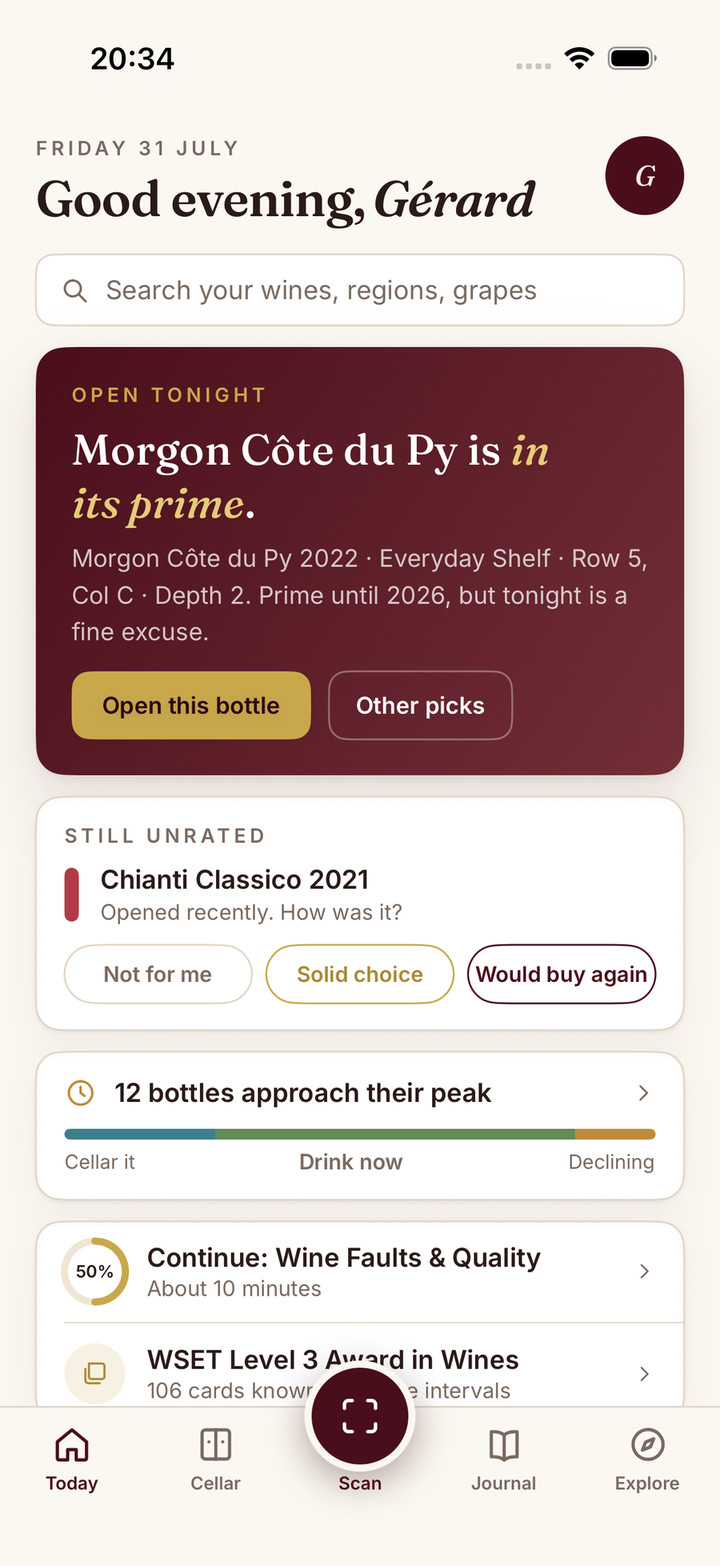
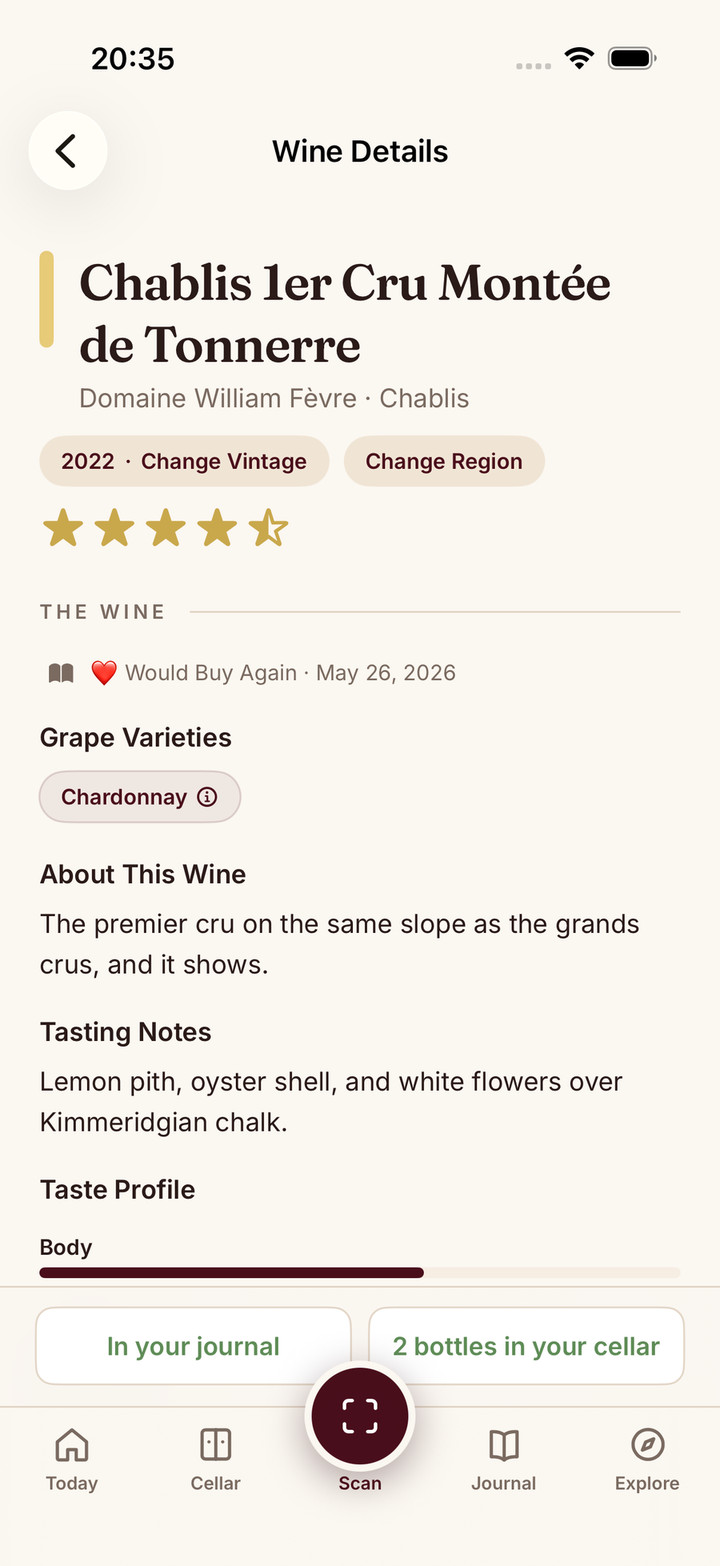
Bring a phone-friendly wine journal. A group trip without a record is one you will forget. Encourage everyone to log the bottles in Sommo so each friend has their own record of the wines that made the week. Before you go, the wine quiz is a fun way for each friend to find their style, and a decent argument-starter for the first dinner.
For more on planning, see our first European wine trip guide and the seven-day European wine country itineraries.
A Word on Group Dynamics
A friend-group wine trip can amplify group friction if the planning is uneven. Three principles.
One coordinator, eight contributors. Have one friend take on the master logistics (rental, big-restaurant bookings, driver arrangements). The rest of the group contributes ideas but defers to the coordinator. Too many decision-makers paralyses the trip.
Settle the money before you arrive. Wine, food, and rental costs add up. Settle the rental and major dinners before the trip starts. Use a shared app (Splitwise or similar) for incidental expenses on the ground.
Build in alone time. Eight people in close quarters for a week is intense. Make sure the rental is big enough that someone can read a book without being interrupted, and that the schedule includes time for friends to break into smaller groups.
Explore with Sommo
The wines you drink on a trip with friends are some of the most memorable bottles of your life. Years later, the producer who poured you that magnum on the second day, the rosé you drank by the pool, the bottle that finished a long lunch will all blur unless you have written them down. Sommo lets every member of the group scan, log, and remember the wines together. The shared experience builds a collective wine memory that the group can revisit on every subsequent trip.
Download Sommo free and bring the wine record home with you.