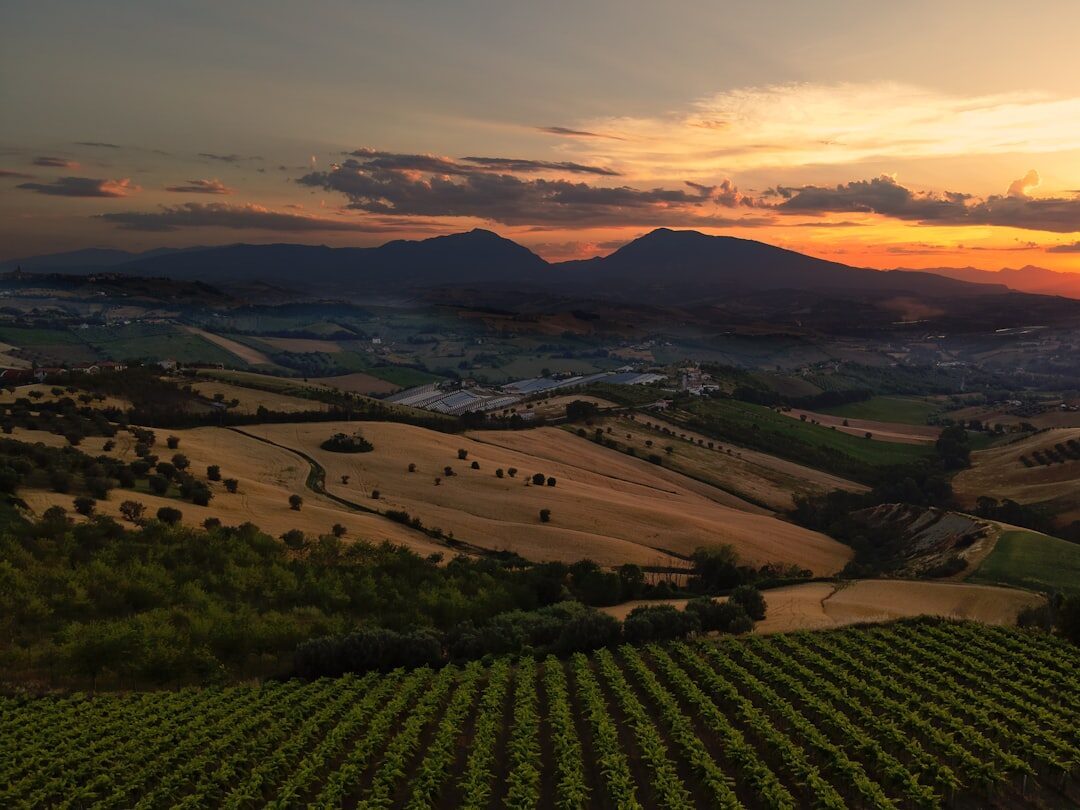
Tuscany is the wine region everyone knows. The golden hills, the cypress avenues, the Chianti road, the famous bottles. For most international wine drinkers, Italy starts and ends there. That is a mistake. Italy has 20 wine regions, every single one of which produces wine commercially, and at least ten of them deserve as much attention as Tuscany does. Some are more famous in the global wine trade than they are with casual drinkers. Some are still genuinely obscure. All of them are where Italians themselves do their most exciting drinking.
This guide is the map for going deeper into Italian wine. Ten regions, each with its character, its key grapes, the producers to know, and what to drink first. If you have only ever bought Chianti and Brunello, this is the next chapter.
How to Read This List
The regions are organised loosely from northwest to south, which roughly mirrors the historical development of Italian wine. Each entry covers the climate and landscape, the dominant grapes, the styles that define the region, and the producers most worth seeking out. The goal is not to be encyclopaedic but to give you enough structure to walk into a wine shop or a restaurant and order with confidence. If you want to test that structure afterwards, the WSET Level 2 wine regions of Italy and Spain quiz covers the classic appellations.
1. Piedmont
Piedmont is the most serious wine region in Italy. The Langhe hills around Alba produce two of the country’s three most age-worthy reds (Barolo and Barbaresco, both from the Nebbiolo grape), and the surrounding zones add Barbera, Dolcetto, and the often-overlooked white Arneis. Cooler than Tuscany, foggier in autumn, and full of small family producers who have been making wine on the same hillsides for centuries.
Key grapes: Nebbiolo (reds), Barbera (reds), Dolcetto (reds), Arneis (whites), Moscato (sparkling and sweet whites).
Producers to know: Bruno Giacosa, Giacomo Conterno, Vietti, Roberto Voerzio (top end). Pio Cesare, Marchesi di Grésy, Produttori del Barbaresco (excellent value). For everyday drinking, look for any reputable Langhe Nebbiolo, which gives you the grape’s character at half the price of Barolo.
What to drink first: A Barbaresco from Produttori del Barbaresco. The cooperative produces nine single-vineyard wines that are among the great values in serious Italian wine.
2. Veneto
Veneto is one of Italy’s most productive wine regions and one of its most misunderstood. The headlines are dominated by Prosecco (Italy’s mass-market sparkling) and Amarone (the famous big-shouldered red made from dried grapes), but the region also produces beautiful Valpolicella, Soave, Lugana, and some of the country’s best dessert wines. Walk between Verona and the foothills of the Alps and you cross half a dozen distinct wine zones in an hour.
Key grapes: Corvina, Rondinella, Molinara (the Valpolicella blend), Garganega (Soave), Glera (Prosecco), Trebbiano di Lugana.
Producers to know: Giuseppe Quintarelli, Romano Dal Forno, Bertani (legendary Amarone). Pieropan, Inama, Suavia (excellent Soave). Adami, Bisol, Nino Franco (serious Prosecco DOCG).
What to drink first: A Soave Classico from Pieropan or a Valpolicella Classico from Quintarelli’s neighbours. Both demonstrate that Veneto’s serious wines are dramatically better than its mass-market exports.
3. Friuli-Venezia Giulia
Italy’s northeastern corner, tucked against Slovenia and Austria, produces some of the most distinctive white wines in the country. Friuli’s mineral, mountain-influenced whites (Pinot Grigio, Friulano, Ribolla Gialla) are the antidote to the bland mass-market Pinot Grigio that gives the variety its bad reputation. The region is also the modern birthplace of the orange wine movement, with Josko Gravner and Stanko Radikon pioneering skin-contact whites that have influenced producers worldwide.
Key grapes: Pinot Grigio, Friulano, Ribolla Gialla, Sauvignon Blanc, Refosco (reds).
Producers to know: Jermann, Schiopetto, Marco Felluga (classic style). Gravner, Radikon, Damijan Podversic (orange wines and natural pioneers). Vie di Romans (exceptional Sauvignon Blanc and Pinot Grigio).
What to drink first: A serious Pinot Grigio from Vie di Romans or Jermann. The wine will reset any low expectations you had for the grape.
4. Alto Adige (Südtirol)
The highest, coolest, and most German-influenced of Italian wine regions. Alto Adige sits in the South Tyrolean Alps, with vineyards at elevations of 200 to 1,000 metres and white wines that drink more like Alsace or Wachau than typical Italy. Pinot Bianco, Pinot Grigio, Sauvignon Blanc, and Gewürztraminer all reach extraordinary precision here. The reds (mostly Schiava and Lagrein) are lighter than southern Italian counterparts but worth exploring.
Key grapes: Pinot Bianco, Pinot Grigio, Sauvignon Blanc, Gewürztraminer, Schiava, Lagrein.
Producers to know: Cantina Terlano (the cooperative that has redefined alpine Pinot Bianco), Elena Walch, Manincor, J. Hofstätter.
What to drink first: A Cantina Terlano Pinot Bianco Riserva. It is one of the most age-worthy white wines in Italy and almost nobody outside the wine trade knows it exists.
5. Trentino
Trentino sits just south of Alto Adige and shares some of its alpine character, but with a slightly warmer climate and a different cultural lineage (it is Italian-speaking where Alto Adige is largely German-speaking). The region is best known for Trento DOC, the metodo classico sparkling wine that genuinely rivals Champagne in style and quality, and for distinctive reds from the indigenous Teroldego and Marzemino grapes.
Key grapes: Chardonnay, Pinot Noir, Pinot Bianco (sparkling base wines), Teroldego, Marzemino, Lagrein.
Producers to know: Ferrari, Cesarini Sforza, Letrari (Trento DOC sparkling). Foradori (revolutionary biodynamic producer working with Teroldego). Pojer & Sandri (range of indigenous grapes).
What to drink first: A Ferrari Perlé Trento DOC. Italy’s most famous traditional-method sparkling at a fraction of Champagne prices.
6. Marche
The east coast of central Italy, often skipped by wine tourists heading from Rome to Tuscany. Marche produces serious white wine from Verdicchio (the country’s most underrated white grape) and an emerging movement of fine reds from indigenous Montepulciano and Sangiovese. The vineyards sit between the Apennines and the Adriatic, giving the wines both mineral cool-climate freshness and ripeness.
Key grapes: Verdicchio, Trebbiano, Montepulciano, Sangiovese, Pecorino (the grape, not the cheese).
Producers to know: Bucci, Sartarelli, Garofoli (Verdicchio specialists). Le Caniette, Saladini Pilastri (Rosso Piceno reds).
What to drink first: A Verdicchio dei Castelli di Jesi Riserva from Bucci. A serious, age-worthy Italian white at $20 to $30. Try it side by side with a basic Pinot Grigio and the gap is enormous.
7. Abruzzo
The mountainous central Italian region producing some of the country’s best-value reds. Montepulciano d’Abruzzo (made from the Montepulciano grape, not to be confused with the Tuscan town of Montepulciano which produces wine from Sangiovese) is generous, fruit-driven, and food-friendly at every price point. The region also produces serious wines from the indigenous Pecorino white grape and Trebbiano d’Abruzzo, which in the right hands produces extraordinary white wine.
Key grapes: Montepulciano (reds), Trebbiano d’Abruzzo, Pecorino (whites).
Producers to know: Edoardo Valentini (legendary, expensive, hard to find). Emidio Pepe (similar level, traditional style). Cataldi Madonna, Tiberio (excellent quality at accessible prices).
What to drink first: A Montepulciano d’Abruzzo from Cataldi Madonna or Tiberio. Outstanding value at $15 to $25.
8. Campania
The region around Naples, with vineyards on volcanic slopes and along the Amalfi coast. Campania is the most ancient wine region in Italy: the Greeks were making wine here 2,500 years ago, and many of the indigenous grape varieties grown today have been documented since Roman times. The reds (Aglianico) are some of the most age-worthy in southern Italy. The whites (Fiano, Greco, Falanghina) are mineral, structured, and dramatically underpriced.
Key grapes: Aglianico (reds), Fiano, Greco di Tufo, Falanghina (whites).
Producers to know: Mastroberardino (the historic estate that saved many indigenous varieties from extinction). Feudi di San Gregorio, Pietracupa, Salvatore Molettieri (modern leaders).
What to drink first: A Taurasi from Mastroberardino. Aglianico-based, age-worthy, and often called “the Barolo of the south.” Or a Fiano di Avellino from Pietracupa for a white that rewires expectations of southern Italian wine.
9. Sicily (Beyond Etna)
Sicily is the largest wine region in Italy and increasingly one of the most exciting. Etna gets the headlines (and deserves them: see our chilled red wines guide for more on Etna Rosso). But the rest of the island produces genuinely interesting wine too. Western Sicily makes serious Grillo and Catarratto whites. The central plains produce Nero d’Avola and the Frappato-Nero d’Avola blend Cerasuolo di Vittoria. The Aeolian Islands produce the rare Malvasia delle Lipari dessert wine.
Key grapes: Nerello Mascalese (Etna), Carricante (Etna whites), Nero d’Avola, Frappato, Grillo, Catarratto.
Producers to know: Tasca d’Almerita (the historic estate). COS, Arianna Occhipinti (Cerasuolo di Vittoria). Marco de Bartoli (Marsala revival). Pietradolce, Frank Cornelissen (Etna).
What to drink first: A Cerasuolo di Vittoria from COS or Arianna Occhipinti. The blend of Nero d’Avola and Frappato is a genuinely original Italian wine style.
10. Sardinia
The often-forgotten Mediterranean island producing wines with a strong Spanish-Italian fusion character. Sardinian Cannonau (the same grape as Spanish Garnacha) and Carignano (Carignan in France, Cariñena in Spain) make distinctive reds. Vermentino di Gallura is the island’s best white, with a salinity that comes from vineyards close to the sea. The wines are still relatively unknown internationally, which makes them excellent value.
Key grapes: Cannonau, Carignano, Vermentino, Nuragus.
Producers to know: Argiolas, Sella & Mosca (large historic producers). Capichera, Dettori (serious estate-grown wines).
What to drink first: A Vermentino di Gallura from Capichera. Salty, mineral, and built for seafood. Pair with grilled fish or octopus carpaccio.
Planning an Italian Wine Trip
A few practical notes if you want to use this list for travel.
Pick one region, not five. A week in Piedmont is far more rewarding than three days each in Piedmont, Veneto, and Friuli. Italian wine regions reward depth.
Plan around food. Italian wine is built around the food culture of its region. The wines you taste at the producer will make more sense once you have eaten the local cuisine. Allow long lunches.
Book ahead at top producers. The famous estates (Conterno, Gravner, Quintarelli) require advance appointments, often months in advance. Smaller producers in lesser-known regions are easier to visit on shorter notice.
Avoid the high season if possible. Italian wine country gets uncomfortable in July and August. May, June, September, and October are dramatically better for tasting.
For more on regional travel, see our Tuscany wine guide for the obvious starting point, and the seven-day European wine country itineraries for route-by-route planning.
Building a Cellar Across Italian Regions
If you want to build a personal cellar that captures Italy beyond Tuscany, a working twelve-bottle starter list:
- Barbaresco from Produttori del Barbaresco
- Barolo from Vietti or Pio Cesare
- Valpolicella Ripasso from Allegrini or Tommasi
- Pieropan Soave Classico
- Cantina Terlano Pinot Bianco
- Ferrari Trento DOC
- Bucci Verdicchio Riserva
- Cataldi Madonna Montepulciano d’Abruzzo
- Mastroberardino Taurasi
- COS Cerasuolo di Vittoria
- Pietradolce Etna Rosso
- Capichera Vermentino di Gallura
This case will cost around $400 to $500 and gives you a working geography of Italy in one cellar. Several of these bottles reward patience; the drinking window checker tells you when each is ready.
Explore with Sommo
Italian wine rewards geography. The longer you spend with it, the more the regions sort themselves into clear personalities, and the easier it becomes to know what you want to drink in any given moment. Sommo lets you scan every Italian bottle you try, save tasting notes, and pin each producer to your map of Italy. Over a year of focused exploration, you build a personal atlas of the country that is more useful than any guidebook.
Download Sommo free and start mapping the Italy that lives beyond Tuscany.