Terroir Explained: Why Place Changes Wine
Pinot Noir from Burgundy tastes nothing like Pinot Noir from California. Here's why, and why understanding terroir makes you a smarter wine drinker.
Here’s a puzzle: open a bottle of Pinot Noir from Burgundy and one from California. Same grape. Completely different wines.
The Burgundy tastes like earth, mushrooms, and delicate red fruit with an almost translucent quality. The California version bursts with ripe cherry, vanilla, and richness.
How can the same grape produce such different results?
The French have a word for this: terroir. It’s one of wine’s most important concepts, and understanding it changes how you taste, buy, and appreciate wine.
What Exactly Is Terroir?
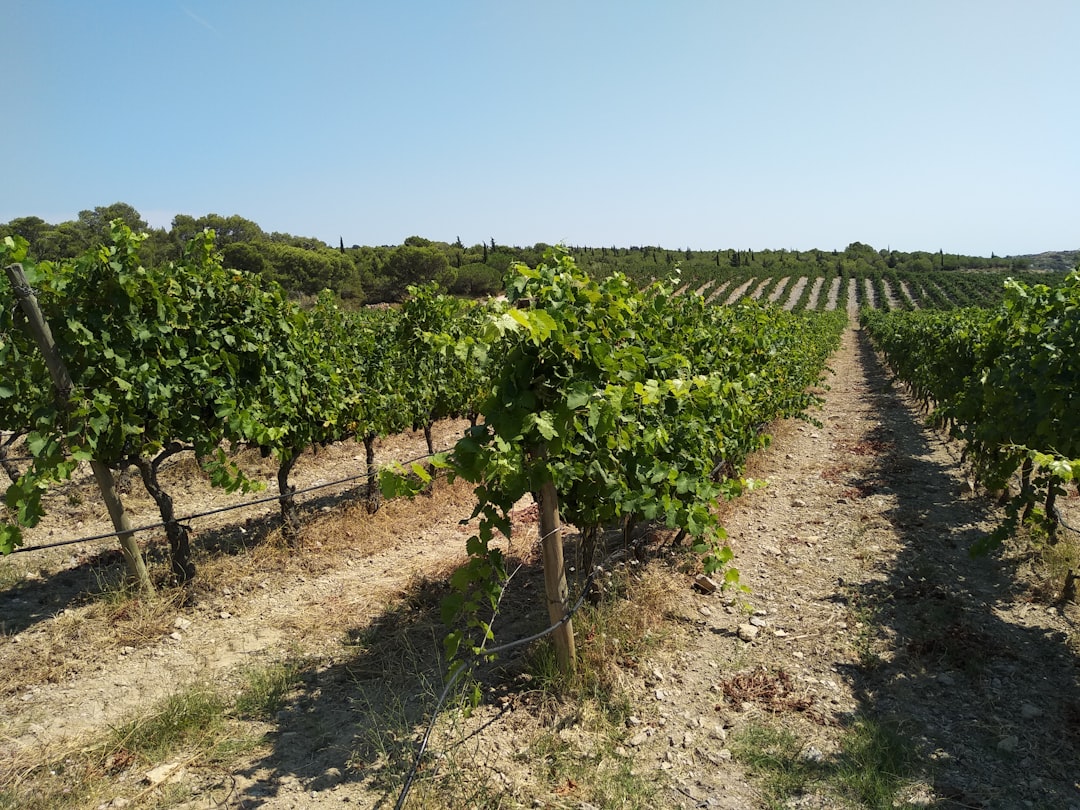
Terroir (pronounced tare WAHR) translates loosely as “sense of place.” But that’s oversimplified. Terroir encompasses everything about a location that influences how a wine tastes.
The terroir equation:
| Factor | What It Includes |
|---|---|
| Soil | Composition, drainage, mineral content, depth |
| Climate | Temperature, rainfall, sunlight, humidity |
| Topography | Altitude, slope angle, direction vineyard faces |
| Microclimate | Local variations, fog, wind, water proximity |
| Human tradition | How people have farmed and made wine there for generations |
All these factors combine to create wines that could only come from that specific spot on Earth.
The Soil Story
Different soils produce different wines. This isn’t mysticism; it’s measurable.
Limestone
Famous in Burgundy and Champagne. Limestone retains moisture while draining well. Wines grown on limestone often show:
- High acidity
- Mineral, chalky character
- Elegance over power
Found in: Burgundy, Champagne, parts of Loire Valley, Chablis.
Clay
Heavy clay retains water and nutrients. Tends to produce:
- Fuller, richer wines
- Softer textures
- More generous fruit
Famous example: Pomerol’s clay soils contribute to its lush, velvety Merlots that can cost thousands per bottle.
Granite
Decomposed granite drains quickly, stressing vines and limiting yields. Results in:
- Concentrated wines
- Mineral, flinty notes
- Intensity over volume
Found in: Northern Rhône (Hermitage, Côte Rôtie), Beaujolais Crus.
Volcanic Soil
Young volcanic soils from places like Mount Etna, Santorini, and parts of Oregon create distinctive wines with:
- Pronounced minerality
- Bright acidity
- Smoky, flinty character
Gravel
The famous gravel beds of Bordeaux’s Médoc force vine roots to dig deep for water. Stress equals concentration.
Why it works: Poor soil makes vines struggle. Struggling vines produce fewer, more concentrated grapes.
Slate
Mosel Rieslings grow on impossibly steep slate slopes. The slate:
- Retains heat during the day
- Releases it slowly at night
- Reflects light back onto vines
- Imparts that distinctive flinty quality
This allows grapes to ripen in a climate that should be too cold for wine.
Climate’s Influence
Climate might be the single biggest terroir factor. It determines what grapes can ripen and what style of wine results.
Cool Climate Wines
- Growing season: Longer, allowing gradual ripening
- Acidity: High (preserved by slow ripening)
- Flavors: Citrus, green apple, herbal, mineral
- Body: Lighter
- Alcohol: Lower
Regions: Burgundy, Champagne, Germany, Oregon, New Zealand’s South Island.
Warm Climate Wines
- Growing season: Shorter, faster ripening
- Acidity: Lower (heat burns off acid)
- Flavors: Ripe fruit, tropical, jammy
- Body: Fuller
- Alcohol: Higher
Regions: California Central Valley, Australia’s Barossa, Argentina’s Mendoza.
Continental Climate
Extreme temperature swings between hot summers and cold winters. Creates wines with:
- Ripe fruit from warm days
- Good acidity from cool nights
- Balance between richness and freshness
Regions: Burgundy, Piedmont, parts of Oregon.
Maritime Climate
Ocean influence moderates temperatures year round. More consistent, less extreme.
Regions: Bordeaux, coastal Chile, parts of California.
Altitude and Aspect: The Details That Matter
Altitude
Higher elevation means:
- Cooler temperatures (roughly 0.6°C drop per 100 meters)
- More UV exposure
- Thicker grape skins (protection against UV)
- Brighter acidity
- More intense color and tannins
Extreme example: Argentina’s Salta region has vineyards above 2,000 meters, among the highest in the world.
Aspect (Which Way the Vineyard Faces)
In the Northern Hemisphere, south facing slopes receive maximum sunlight. In marginal climates like Germany or Burgundy, this extra warmth makes ripening possible.
Steep slopes also improve drainage and light exposure.
The Human Element
Here’s where terroir gets philosophical. Does human tradition count as terroir?
Many would say yes. How people have farmed and made wine in a region for generations becomes part of its identity.
Examples:
- Burgundy’s grand cru classification emerged from centuries of observation about which plots consistently produced the best wine.
- Champagne’s blending tradition arose from the need to balance variable vintages.
- Chianti’s use of Sangiovese reflects centuries of selection for what grows best there.
Modern winemakers continue these traditions, adapting but not abandoning the practices that define their region’s wines.
Terroir in Action: A Case Study
Let’s trace one grape across multiple regions. Pinot Noir is the perfect example because it’s extremely terroir expressive.
Pinot Noir from Different Places
| Region | Climate | Soil | Character |
|---|---|---|---|
| Burgundy | Cool continental | Limestone, clay | Earthy, savory, tart red fruit, light body |
| Oregon | Cool maritime | Volcanic, marine sediment | Pure red fruit, gentle earth, medium body |
| California Sonoma Coast | Moderate maritime | Mixed | Riper fruit, more richness, broader |
| New Zealand Central Otago | Cool continental | Schist | Bright cherry, plum, mineral finish |
Same grape. Four distinctly different wines. That’s terroir.
Does Terroir Matter for Everyday Wine?
Terroir’s influence is most apparent in wines from specific sites, made by winemakers who emphasize place over process.
Where terroir shows strongly:
- Single vineyard wines
- Traditional European appellations
- Smaller producers focused on expressing location
Where terroir is muted:
- Industrial wines
- Heavily manipulated wines
- Wines blended from multiple regions
For everyday wines under $15, terroir might be less pronounced, but regional character often comes through. Even a basic Côtes du Rhône should taste different from a basic Rioja, even though both are red blends.
How to Taste for Terroir
The best way to understand terroir is comparative tasting. Try the same grape from different regions side by side.
Questions to ask:
- Does one taste brighter or more acidic?
- Are the fruit flavors riper or more restrained?
- Is there an earthy, mineral, or savory quality?
- How does the texture differ?
- Could I identify where each wine is from based on taste alone?
These comparisons build intuition about how place shapes wine.
Building Your Terroir Vocabulary
Words for describing terroir influence:
| Term | What It Suggests |
|---|---|
| Mineral | Stones, chalk, wet rocks, flint |
| Earthy | Mushroom, forest floor, fallen leaves |
| Austere | Lean, restrained, tight |
| Lush | Rich, full, generous (often warmer climate) |
| Nervous | High acidity, tension, energy |
| Elegant | Balanced, refined, lighter touch |
| Rustic | Rough edges, traditional character |
Why Understanding Terroir Makes You Smarter
When you understand terroir, you can:
Predict what you’ll like. If you love cool climate Chardonnay from Chablis, you’ll probably enjoy Oregon Chardonnay more than California Central Valley.
Find better value. Underrated regions with similar terroir to famous ones often deliver comparable quality at lower prices.
Appreciate wine more deeply. Each glass becomes a connection to a specific place, shaped by millions of years of geology and generations of human knowledge.
Sound knowledgeable. Drop terroir into conversation at a wine dinner and watch heads nod.
Deepening Your Understanding
Use Sommo to explore wines from different regions. Compare your notes on the same grape variety from multiple places. Track patterns in what you enjoy.
Over time, you’ll develop the ability to taste a wine and guess where it might be from. That’s when terroir truly clicks, when you can smell Burgundy before anyone tells you what’s in the glass.
Understanding terroir transforms wine from a beverage into a journey. Every glass becomes a trip to a specific vineyard, shaped by forces stretching back millions of years.
That’s worth thinking about. Even if you’re just drinking Tuesday’s bottle.
Liked this read? Try the app.
Scan any wine label with AI, build your tasting journal, and learn wine your way.