Flip over any bottle and there it is: contains sulfites. It reads like a warning, half the internet blames it for headaches, and an entire category of natural wine markets itself on leaving them out. So what are sulfites actually doing in your wine, and should you care? Short answer: they are the most misunderstood two words on the label.
What Sulfites Actually Do
Sulfites are compounds of sulfur dioxide (SO2), and they are wine’s bodyguard. They do two jobs: they block oxidation, which keeps white wine fresh instead of brown and flat, and they suppress rogue bacteria and yeasts that would otherwise turn your Chablis into something closer to vinegar. Without them, most wine could not survive shipping, shelf time or a warm boot of a car. Winemakers have burned sulfur in barrels since Roman times; this is not a modern industrial trick. Sulfur’s role in the winery is standard territory in the WSET Level 2 grape growing and winemaking quiz, incidentally.
Here is the part the label never tells you: yeast produces sulfites naturally during fermentation. Every wine on earth contains some, typically 10 to 40 parts per million even with zero additions. The phrase “contains sulfites” is required in most markets above a tiny threshold of 10ppm, which is why it appears on virtually every bottle, from mass-market plonk to the most austere biodynamic cuvée. Our guide to how wine is made covers where in the process the additions happen.
The Headache Myth
Sulfites make an easy villain for the morning after, but the science does not cooperate. True sulfite sensitivity is rare, affecting a small minority of people, mostly asthmatics, and it shows up as wheezing and breathing trouble, not a headache. Consider the dried apricot test: dried fruit routinely carries five to ten times more sulfites than wine, yet nobody blames the trail mix for a pounding head.
The likelier culprits are alcohol itself, dehydration, drinking on an empty stomach, histamines and possibly tannins. Red wine actually contains less added sulfur than white, yet causes more headaches, which alone breaks the sulfite theory. We dig into the real suspects in why red wine gives you headaches.
High, Low and “None”
A few useful rules of thumb:
- Sweet white wines carry the most sulfites, because sugar plus low acid is spoilage heaven and needs the most protection.
- Dry reds need the least, since tannin is a natural preservative.
- Natural and low-intervention wines, including most orange wines, minimise or skip additions, trading stability for rawness; they can be thrilling and they can be faulty, as our wine faults guide explains.
- “No added sulfites” is honest labelling. “Sulfite free” is not really possible, because fermentation makes them regardless.
If you are avoiding animal products rather than sulfur, that is a different label problem entirely: see is your wine vegan.
Frequently Asked Questions
What are sulfites in wine?
Sulfites are sulfur dioxide compounds that protect wine from oxidation and spoilage. Winemakers add small amounts, but fermentation also produces them naturally, so every wine contains some sulfites even when none are added. They have been used in winemaking for centuries.
Do sulfites in wine cause headaches?
Almost certainly not for most people. True sulfite sensitivity is rare and usually shows as breathing trouble in asthmatics, not headaches. Wine headaches are far more likely caused by alcohol, dehydration, histamines or tannins. Dried fruit contains several times more sulfites than wine.
Which wines are lowest in sulfites?
Dry red wines generally need the least added sulfur because tannin acts as a natural preservative, while sweet white wines carry the most. Natural and low-intervention wines minimise additions, but no wine is truly sulfite free because fermentation creates them.
Explore with Sommo
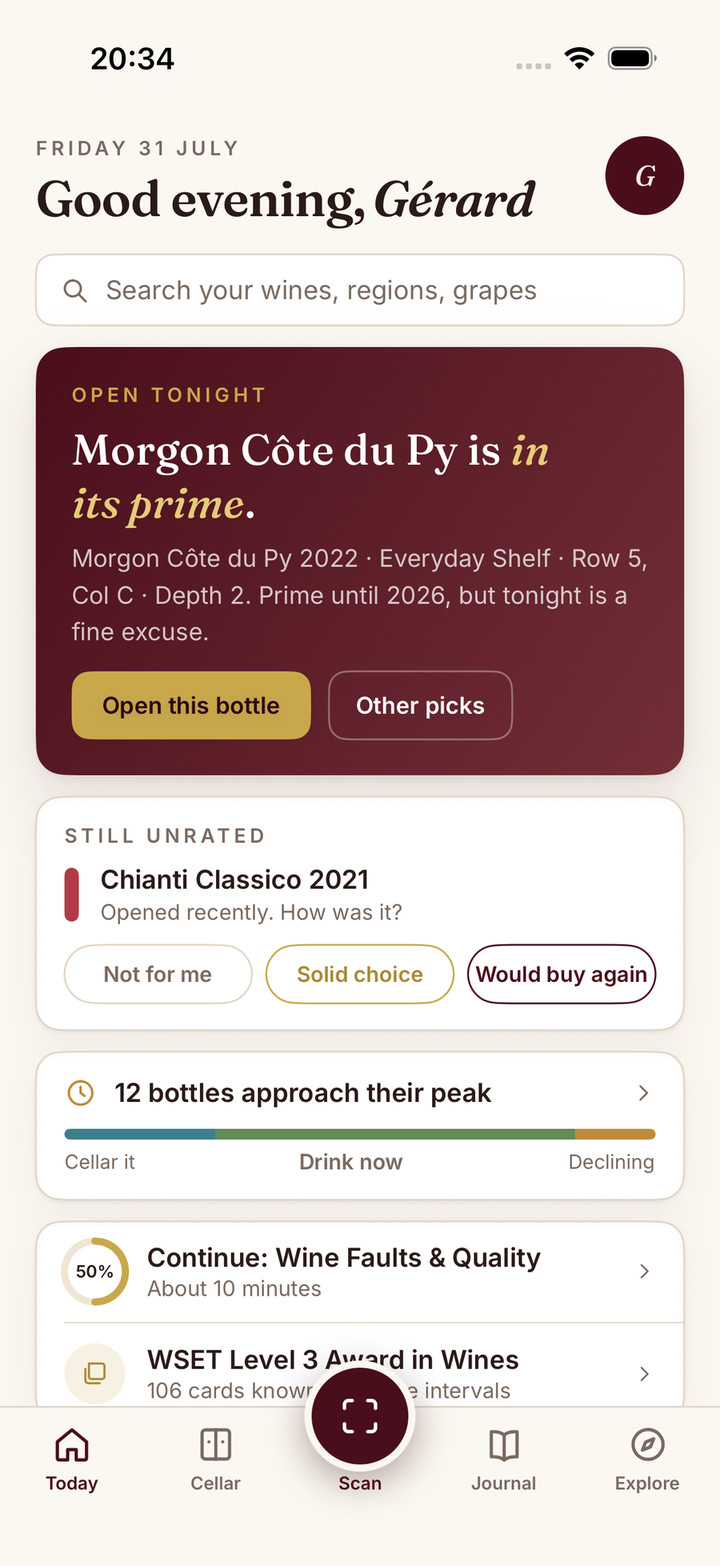
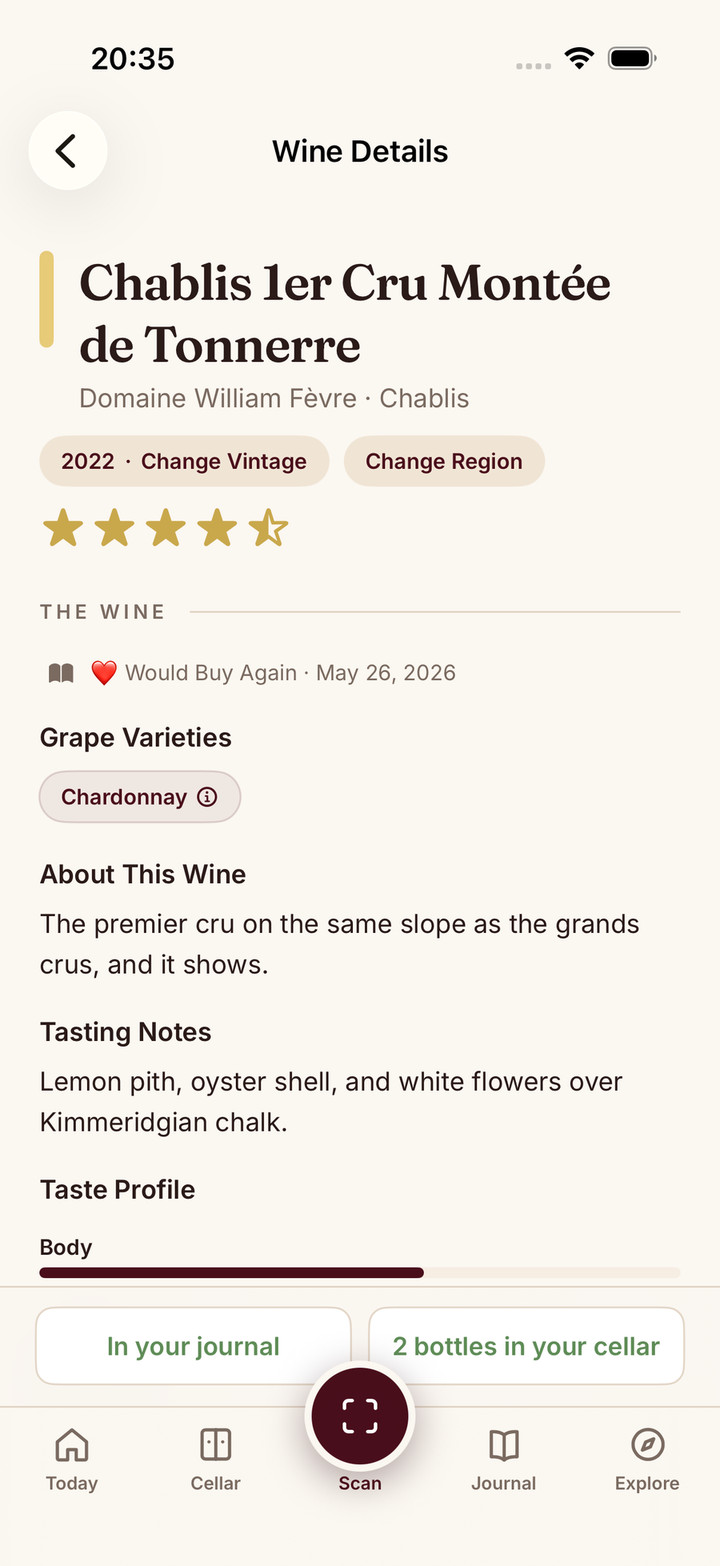
The label tells you almost nothing; your own reactions tell you everything. Scan any bottle with Sommo to learn its grape, style and how it was likely made, then log how you actually felt about it in your journal. A few weeks of honest notes will reveal your real patterns, which is worth more than any theory about two words on a back label.
Download Sommo free and judge wine by what is in your glass, not by the fine print.