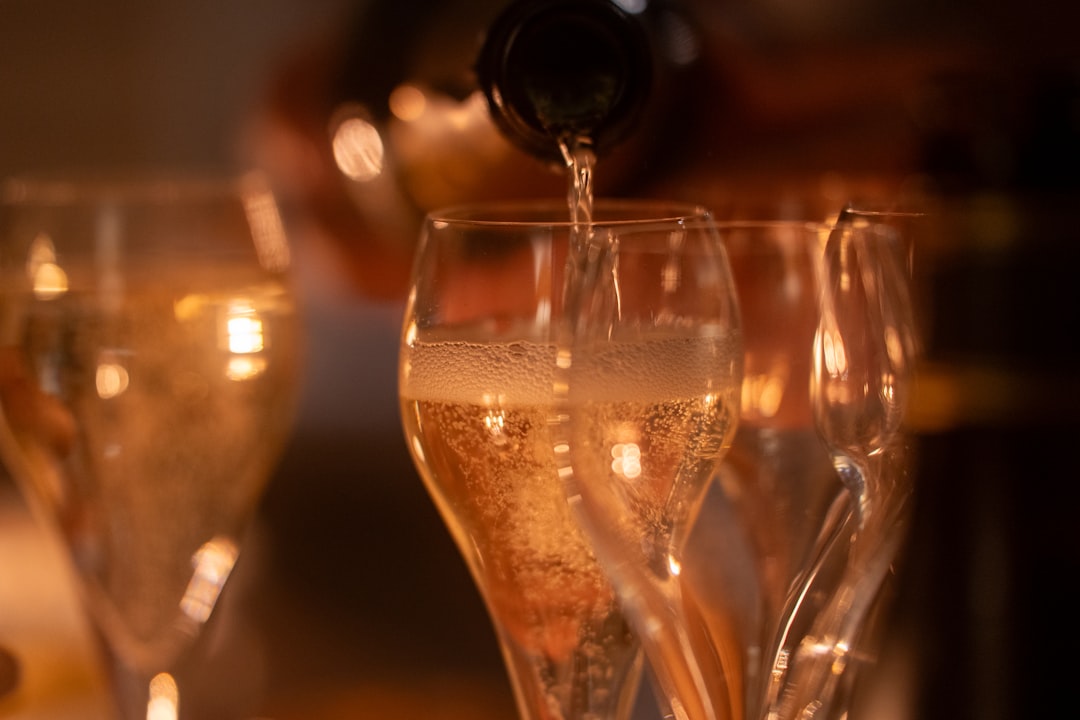
The world of sparkling wine is mostly four categories. Champagne dominates the prestige tier. Prosecco dominates supermarket shelves. Cava and Crémant fill the middle ground, often overdelivering against their prices. Each comes from a specific region, uses a specific production method, and tastes meaningfully different from the others. The four are not interchangeable. Knowing which to buy for which moment can transform both your sparkling wine experience and your wine budget.
If the shelf decision is entirely French, the dedicated Champagne versus Crémant guide compares protected origin, minimum cellar time, regional grapes, food and the moment prestige earns its premium.
This guide is for anyone who has stood in front of a sparkling wine shelf and wondered why Prosecco costs $12 and Champagne costs $50, and whether the difference is worth the money. We will walk through the production methods, the regional rules, the taste differences, and the moments where each style genuinely outperforms. By the end, you will know exactly which sparkling to grab for any given occasion.
The Two Production Methods Behind All Four
Sparkling wine comes from two main production methods, and the method does more to shape the wine than any other variable.
Traditional Method (Méthode Traditionnelle / Champenoise)
The wine ferments in the bottle. After the first fermentation, a small amount of sugar and yeast is added, the bottle is sealed, and a second fermentation happens inside the bottle. The CO2 produced cannot escape, so it dissolves into the wine, creating the bubbles.
The wine then ages in contact with the dead yeast cells (lees) for months or years, picking up complex toasted, brioche, and nutty flavours. This is labor-intensive, time-consuming, and produces sparkling wines of serious complexity.
Used for: Champagne, Cava, Crémant, Franciacorta, top English sparkling, Cap Classique.
Charmat Method (Tank Method)
The second fermentation happens in a large pressurised tank, not in individual bottles. The wine is then filtered and bottled under pressure. Faster, cheaper, and produces fresher, fruitier wines without the toasty complexity of bottle-aged sparkling.
Used for: Prosecco, Asti, most American sparkling at the mass-market tier, Lambrusco.
Production methods are also the heart of the WSET Level 2 sparkling wines quiz, if you want to test yourself once you have finished here.
The Four Major Sparkling Wines
Champagne (France)
Made in the Champagne region of northeastern France from Chardonnay, Pinot Noir, and Pinot Meunier. Traditional method. Aged for at least 15 months for non-vintage and 36 months for vintage. The legal definition is strict: if it does not come from the Champagne region and meet the rules, it cannot be called Champagne.
Taste profile: Complex, with toasted brioche, hazelnut, citrus, and stone fruit. The longer-aged styles develop more complexity. Higher alcohol than Prosecco (usually 12 to 12.5%). Pronounced acidity. Smaller, more persistent bubbles.
Price range: $40 to $80 for entry-level non-vintage. $80 to $200 for vintage. $200+ for prestige cuvées (Krug, Dom Pérignon, Cristal).
Producers: Big houses (Bollinger, Krug, Pol Roger, Louis Roederer, Veuve Clicquot, Moët, Charles Heidsieck). Grower Champagnes (Pierre Péters, Larmandier-Bernier, Egly-Ouriet, Marie-Courtin). Increasingly, grower Champagnes are where the best value lives.
When to drink: Milestone occasions, important dinners, when the sparkling wine itself should be part of the experience. Also surprisingly good with food (oysters, sushi, fried chicken, grilled poultry).
For more, see our Champagne for beginners guide and the Champagne wine region guide.
Prosecco (Italy)
Made in the Veneto and Friuli regions of northeastern Italy, primarily from the Glera grape. Charmat method. Most Prosecco is fresh, fruity, and built for immediate drinking.
Taste profile: Bright, fresh, fruit-forward with notes of green apple, pear, peach, and floral aromatics. Lower alcohol than Champagne (usually 11 to 11.5%). Larger, more aggressive bubbles. Less complex but more immediately accessible.
The hierarchy:
- Prosecco DOC is the basic level. $10 to $15.
- Prosecco DOCG (Conegliano-Valdobbiadene or Asolo) is the serious tier, from the original hillside production zones. $15 to $25.
- Prosecco DOCG Cartizze is the top tier, from a single hill in the heart of the Conegliano-Valdobbiadene zone. $25 to $40.
Producers: Adami, Bisol, Nino Franco, Bortolomiol (DOCG level). For everyday Prosecco, La Marca and Mionetto are reliable.
When to drink: Aperitifs, brunch, casual celebrations, mimosas, large parties where you need to pour quickly. Pairs well with light food (charcuterie, cheese, fried snacks).
For more, see our Prosecco guide.
Cava (Spain)
Made primarily in Catalonia (and some other Spanish regions), using the traditional method (same as Champagne). The main grapes are Macabeo, Xarel·lo, and Parellada. Aged in bottle for at least 9 months for basic Cava, 18 months for Reserva, and 30 months for Gran Reserva.
Taste profile: Closer to Champagne in style than Prosecco. Toasty, nutty, with stone fruit and citrus character. The Reserva and Gran Reserva levels develop genuine complexity. Often unfairly compared to Prosecco when it is structurally Champagne’s cousin.
Price range: Basic Cava $10 to $15. Reserva $15 to $25. Gran Reserva $25 to $40. Premium single-vineyard Cava from top producers can reach $80+.
Producers: Llopart, Raventós i Blanc (technically Conca del Riu Anoia after leaving the Cava DO), Recaredo, Codorníu (Reserva level), Gramona.
When to drink: Almost any occasion where Champagne would work, at a fraction of the price. Particularly good for parties, gifts, weddings (see our wedding wine guide), and any setting where you want quality without the Champagne premium.
For more, see our Cava wine guide and Cava vs Prosecco comparison.
Crémant (France, Outside Champagne)
Made in various French regions outside Champagne (most notably Loire, Burgundy, Alsace, Bordeaux, Limoux). Traditional method (the same as Champagne). The grapes vary by region.
Taste profile: Style varies by region. Crémant de Loire is bright and citrus-driven (Chenin Blanc-based). Crémant de Bourgogne is closer to Champagne (Chardonnay and Pinot Noir). Crémant d’Alsace is more aromatic (Pinot Blanc, Riesling, Pinot Gris). Crémant de Limoux is one of the oldest sparkling wines in the world and often has Chenin Blanc-driven minerality.
Price range: $14 to $30 for most Crémant. Some serious bottlings reach $40 to $60.
Producers:
- Loire: Bouvet Ladubay, Langlois-Château.
- Burgundy: Louis Bouillot, André Delorme.
- Alsace: Domaine Albert Mann, Pierre Sparr.
- Limoux: Antech, Sieur d’Arques.
When to drink: Excellent for dinners and aperitifs when you want serious sparkling wine at a reasonable price. Often the best price-to-quality option among the four.
The Side-by-Side Comparison
| Dimension | Champagne | Prosecco | Cava | Crémant |
|---|---|---|---|---|
| Method | Traditional | Charmat | Traditional | Traditional |
| Region | Champagne, France | Veneto/Friuli, Italy | Catalonia, Spain | Various, France |
| Main grapes | Chardonnay, Pinot Noir, Pinot Meunier | Glera | Macabeo, Xarel·lo, Parellada | Varies by region |
| Style | Toasty, complex, brioche | Fresh, fruity, light | Toasty, nutty, structured | Region-dependent |
| Price range | $40 to $400+ | $10 to $25 | $10 to $40 | $14 to $30 |
| Bubble size | Small, persistent | Larger, aggressive | Small, persistent | Small, persistent |
| Ageability | 10 to 30+ years (vintage) | Drink young | 5 to 15 years (Gran Reserva) | 5 to 10 years |
| Best for | Milestones, fine dining | Aperitifs, brunch, parties | Substitute for Champagne, weddings | Dinners, gifts |
Which to Pick by Occasion
A practical decision guide.
For an Aperitif Before Dinner
Best: Prosecco DOCG or Cava Reserva.
Why: Both are festive without being precious. Pour easily, drink easily, pair with charcuterie or olives.
For a Wedding (Mass Pouring)
Best: Cava Reserva or Crémant de Loire.
Why: Champagne is expensive at scale. Both alternatives deliver genuine quality at half the price. See our wedding wine guide.
For a Birthday or Anniversary Dinner
Best: Vintage Champagne or grower Champagne.
Why: The occasion deserves complexity. Vintage Champagne ages beautifully and tastes meaningfully better than non-vintage.
For a Dinner Party
Best: Crémant de Bourgogne or Cava Gran Reserva.
Why: Both have the body to handle multiple courses without overwhelming. Better value than Champagne for the entire dinner.
For New Year’s Eve
Best: Whatever you can afford at the celebration peak. If budget allows, vintage Champagne. If not, Cava Gran Reserva or Crémant.
For a Casual Weeknight
Best: Prosecco DOCG.
Why: Inexpensive, light, fresh, low commitment.
For Brunch
Best: Prosecco DOC for mimosas; Crémant de Loire for serious drinking.
For Pairing With Oysters or Sushi
Best: Brut Champagne or Crémant de Loire. The high acidity and minerality match raw seafood beautifully.
Common Misconceptions
A few honest corrections.
“Champagne is just expensive Prosecco.”
False. The two are made with completely different production methods, different grapes, and different ageing protocols. They taste meaningfully different.
“Cava is cheap Champagne.”
Partly fair. Cava is made the same way as Champagne but ages for shorter periods and uses different grapes. The serious Cavas (Reserva and Gran Reserva) deliver Champagne-style complexity at lower prices, but they have their own character. Worth respecting as its own category.
“Crémant is fake Champagne.”
False. Crémant uses the same method as Champagne but comes from other French regions. Often the best price-to-quality choice in the sparkling category.
“Vintage Champagne is always better than non-vintage.”
Mostly true. Vintage Champagne is made only in declared years, aged longer, and is generally more complex. Non-vintage offers the producer’s house style consistently year to year.
“All sparkling wines should be served ice-cold.”
Partly. Basic Prosecco and Cava are best served very cold (6 to 8 degrees Celsius). Vintage Champagne and serious Cava Gran Reserva should be served slightly warmer (8 to 10 degrees) so the complexity comes through.
Serving Tips
Glassware
Use a tulip-shaped glass, not a flute. Flutes restrict aromatics. The standard white wine glass works well for serious sparkling wine.
Temperature
Chill for 90 minutes in the fridge before serving. Or use an ice bucket with both ice and water for 20 minutes. Avoid the freezer; it can crack the bottle.
Opening
Hold the bottle at a 45-degree angle. Twist the bottle, not the cork. The cork should release with a quiet sigh, not a loud pop (the loud pop wastes pressure and shows you cared more about drama than the wine).
Pouring
Tilt the glass slightly when pouring to reduce foam. Pour in two stages: a small amount first, then top up after the foam settles.
For more on sparkling wine, see our sparkling wine guide and brut vs demi-sec guide.
Building a Sparkling Wine Cellar
If you want one of each style on hand at all times, six bottles cover the territory:
- A Prosecco DOCG (Adami or Bisol) for casual moments
- A Cava Reserva (Llopart) for general celebrations
- A Crémant de Loire or Crémant de Bourgogne for dinners
- A Crémant d’Alsace for variety
- A non-vintage grower Champagne (Pierre Péters or Larmandier-Bernier) for special evenings
- A vintage Champagne for milestones
Total: roughly $200 to $300. Covers every sparkling occasion across a year.
Explore with Sommo
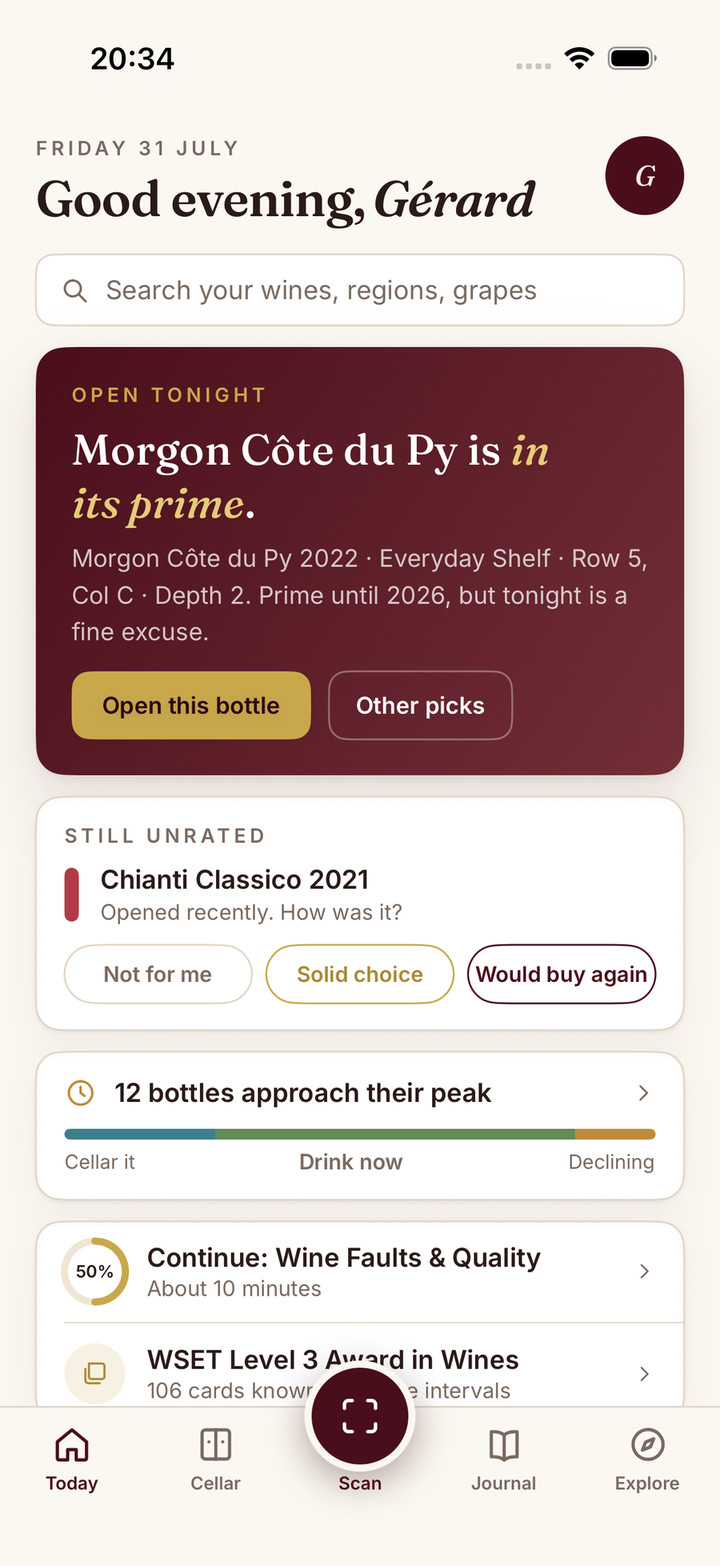
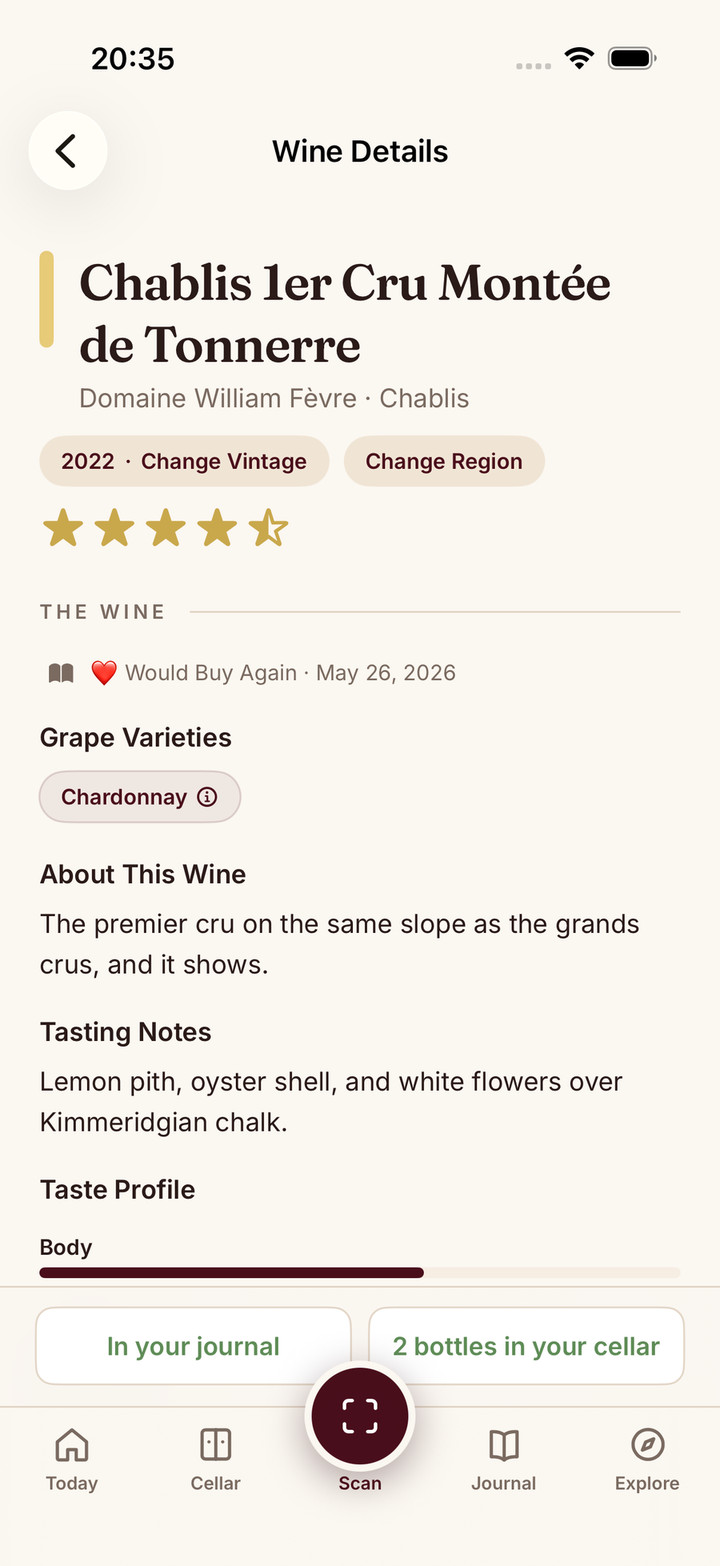
Sparkling wine is a category that rewards close attention. The differences between Champagne, Cava, Crémant, and Prosecco become genuinely interesting once you taste them side by side. Sommo lets you scan each bottle, save tasting notes, and compare different sparkling styles over months. Many drinkers discover that Cava Gran Reserva or Crémant de Loire is their personal best-value sparkling, dramatically outperforming similarly-priced Prosecco. The data sharpens your buying over time.
Download Sommo free and start mapping your sparkling wine preferences.
Want to choose one French bottle rather than compare categories? The Crémant buyer’s guide explains the label clues, styles and occasions worth knowing.