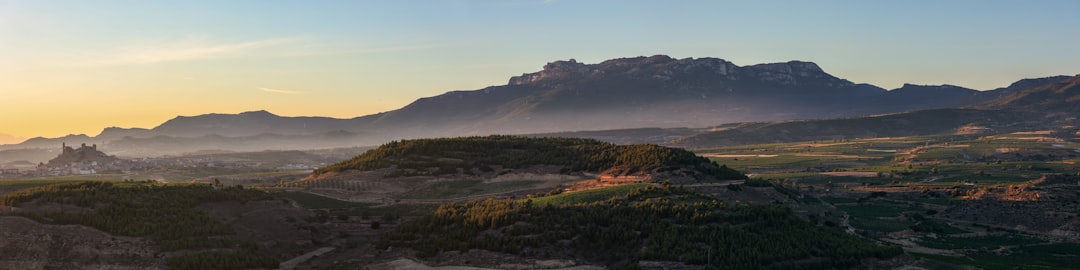
Spain has more land under vine than any other country. More than France, more than Italy, and by a comfortable margin. Yet somehow it flies under the radar for many wine drinkers, who default to Bordeaux or Tuscany when they want something serious. That is a mistake. Spanish wine offers extraordinary quality, genuine regional diversity, and price tags that make the rest of Europe look expensive.
Whether you are cracking open your first bottle of Rioja or trying to understand why people lose their minds over aged Tempranillo, this guide will walk you through the regions, grapes, and styles that matter most.
The Major Regions
Rioja
Rioja is Spain’s most famous wine region and, for many drinkers, their entry point into Spanish wine. Situated in northern Spain along the Ebro River, Rioja produces predominantly red wines from Tempranillo, often blended with Garnacha, Graciano, and Mazuelo. The wines are known for their oak influence, traditional Rioja spends extended time in American oak barrels, giving it a distinctive vanilla and coconut character. Modern producers increasingly use French oak for a more restrained, fruit-forward style.
What makes Rioja special is its ageing classification system, which we will cover below. A well-aged Gran Reserva from a top producer can rival the best wines in the world, often for a fraction of the price.
Ribera del Duero
If Rioja is the establishment, Ribera del Duero is the ambitious upstart. Located on a high plateau in Castilla y León, this region produces powerful, concentrated reds almost exclusively from Tempranillo (locally called Tinto Fino or Tinta del País). The combination of high altitude, extreme temperature swings, and rocky soils gives Ribera wines a depth and intensity that Rioja rarely matches.
The region shot to international fame thanks to Vega Sicilia and Pingus, but there are excellent producers at every price point. If you like bold reds with dark fruit, firm structure, and serious ageing potential, Ribera del Duero deserves your attention.
Priorat
Priorat is tiny, dramatic, and makes some of Spain’s most expensive wines. Tucked into the mountains of Catalonia, the region is defined by its steep terraces and distinctive llicorella soil, a mix of slate and quartz that forces vines to dig deep for water. The result is intensely concentrated wines from old-vine Garnacha and Cariñena, with a mineral backbone that keeps the power in check.
Priorat holds DOCa status, Spain’s highest quality designation, shared only with Rioja. These wines are not cheap, but they offer a unique expression you will not find anywhere else.
Rías Baixas
Not everything in Spain is red. Rías Baixas, in the green, rainy northwest corner of Galicia, produces some of Europe’s most exciting white wines from the Albariño grape. These are crisp, aromatic, and loaded with citrus, stone fruit, and a distinctive saline quality that comes from the region’s proximity to the Atlantic.
Albariño is the perfect seafood wine. If you are eating shellfish, grilled fish, or anything with a squeeze of lemon, reach for a bottle from Rías Baixas. It is also one of those wines that performs brilliantly on its own as an aperitif.
Rueda
Rueda is Spain’s answer to Sauvignon Blanc country, though its star grape is Verdejo. Located in Castilla y León, Rueda produces fresh, herbaceous whites with bright acidity and notes of fennel, green apple, and lime. Verdejo is an underrated grape that delivers tremendous quality for the price, most bottles come in well under fifteen pounds.
The Key Grapes
Tempranillo is the backbone of Spanish red wine. It thrives across the country under various local names and produces everything from light, fruity young wines to deeply complex, oak-aged bottles. Think of it as Spain’s answer to Cabernet Sauvignon, versatile, structured, and capable of greatness.
Garnacha (Grenache) brings warmth, generosity, and ripe red fruit. In Priorat and parts of Aragón, old-vine Garnacha produces some of Spain’s most compelling wines. It tends to be softer and more approachable than Tempranillo, with less tannin and more immediate charm.
Albariño is the white grape of the northwest, delivering freshness and aromatics that punch well above its weight class. It rarely sees oak, keeping the focus squarely on fruit and minerality.
Verdejo is Rueda’s calling card, a crisp, herbal white that offers fantastic value. At its best, it has a textural richness that distinguishes it from simpler, lighter whites.
Understanding Spanish Ageing Terms
Spain’s ageing classification system is one of the most consumer-friendly in the wine world. When you see these terms on a label, they tell you exactly how long the wine has been aged:
- Joven: Young wine, released without significant oak ageing. Fresh, fruity, meant for immediate drinking.
- Crianza: Minimum two years of ageing, with at least one year in oak barrels. A good balance of fruit and oak influence.
- Reserva: Minimum three years of ageing, with at least one year in oak. These are selected from better vintages and offer more complexity.
- Gran Reserva: Minimum five years of ageing, with at least eighteen months in oak. Only produced in exceptional vintages, these are the flagship wines.
This system takes the guesswork out of buying. If you want something easy and immediate, grab a Joven or Crianza. If you want something with depth and development, look for Reserva or Gran Reserva. These terms are also a favourite of the WSET Level 2 wine regions of Italy and Spain quiz, if you want to drill them properly.
Cava: Spain’s Sparkling Secret
Cava is made using the same traditional method as Champagne, secondary fermentation in the bottle, but at a fraction of the cost. Produced primarily in Penedès, Catalonia, from indigenous grapes Macabeo, Xarel·lo, and Parellada, Cava offers crisp, citrusy bubbles that are perfect for celebrations or casual drinking alike.
The quality range is wide. Basic Cava is a reliable party wine, but spend a little more on a Reserva or Gran Reserva Cava and you will find complexity that rivals many Champagnes. For a deeper comparison, have a look at our Cava vs Crémant guide to see how Spain’s sparkler stacks up against France’s other bubbly.
Sherry: The Most Underrated Wine in the World
Sherry comes exclusively from the Jerez region in Andalusia and is arguably the most misunderstood wine on earth. Forget the dusty bottles gathering cobwebs at the back of someone’s drinks cabinet. Modern Sherry encompasses a dazzling range of styles:
- Fino and Manzanilla: Bone-dry, bracingly fresh, and perfect chilled as an aperitif.
- Amontillado: Nutty, complex, and medium-bodied. Outstanding with cured meats and hard cheeses.
- Oloroso: Rich, dark, and full-bodied without being sweet. Think walnuts, toffee, and dried fruit.
- Palo Cortado: The rarest style, combining the freshness of Fino with the richness of Oloroso.
Great Sherry offers unmatched complexity for the price. A bottle of top-quality Amontillado or Palo Cortado can cost a tenth of what a comparable Burgundy would fetch. The full Sherry guide walks through every style in depth.
Value Picks and Where to Start
Spain is one of the best countries in the world for wine value. Here are practical starting points:
- Everyday red: Look for a Rioja Crianza or a young Garnacha from Campo de Borja. Both deliver reliably good wine for under ten pounds.
- Weeknight white: Rueda Verdejo is hard to beat for price and quality. Rías Baixas Albariño costs a little more but is worth every penny with seafood.
- Celebration bubbles: A Cava Reserva offers serious bang for your buck.
- The adventurous pick: Try a Fino Sherry chilled with some olives and jamón. It might change the way you think about wine entirely.
- Pizza night: Spanish Garnacha, with its ripe fruit and soft tannins, is a brilliant pizza wine that does not get enough credit.
Start Exploring
Spanish wine rewards curiosity. The country’s sheer diversity means there is always something new to discover, whether it is a mineral-driven Albariño, a smoky Ribera del Duero, or a centuries-old Sherry bodega’s finest Palo Cortado. And because Spain has not yet reached the hype-driven price levels of France or Napa, the quality-to-value ratio remains exceptional.
Open a bottle, scan the label with Sommo to learn what is in your glass, and start building your own map of Spanish wine. There is a lot of ground to cover, and every glass is worth the journey.