Spanish Wine Guide: Rioja, Ribera, and More
Spain might be the most underrated wine country on Earth. World-class reds, refreshing whites, incredible sparkling wine, and prices that make France weep.
If I had to pick one country that offers the best quality-to-price ratio in wine right now, it’s Spain. Not close. While Bordeaux charges triple digits for name recognition and Napa inflates prices with every good vintage, Spain is quietly producing world-class wine at prices that feel almost unfair.
Spain has the most vineyard acreage of any country on Earth, a staggering number of indigenous grape varieties, and a classification system that actually tells you how long the wine was aged before it hit the shelf. Let’s break it all down.
The Big Regions
Rioja: The Heart of Spanish Wine
Rioja is where most people start with Spanish wine, and for good reason. It’s Spain’s most famous region, built almost entirely around Tempranillo – a grape that can be elegant, earthy, and age-worthy all at once.
What makes Rioja unique is its aging classification system:
| Classification | Minimum Aging | What to Expect |
|---|---|---|
| Joven | Little to no oak | Fresh, fruity, drink immediately |
| Crianza | 2 years (1 in oak) | Balanced fruit and oak, great value |
| Reserva | 3 years (1 in oak) | Complex, smooth, food-friendly |
| Gran Reserva | 5 years (2 in oak) | Only made in great vintages, silky and layered |
The beauty of this system is transparency. When you pick up a Rioja Reserva, you know it’s been aged for at least three years before release. No guessing, no gamble.
What to buy: López de Heredia, La Rioja Alta, CVNE (Imperial), Muga, and Bodegas Roda are all producers that deliver exceptional quality. Crianza bottlings from any of these run $12-20 and punch well above their weight.
Ribera del Duero: Power and Structure
If Rioja is the elegant side of Tempranillo, Ribera del Duero is the powerful side. Sitting at high altitude on Spain’s central plateau, this region produces concentrated, structured reds with dark fruit, firm tannin, and serious aging potential.
The star estate is Vega Sicilia, Spain’s most prestigious winery, but you don’t need to spend Vega Sicilia money. Producers like Pesquera, Pago de los Capellanes, and Emilio Moro make excellent bottles in the $15-35 range.
Ribera del Duero wines love hearty food – grilled lamb, aged cheese, bean stews. They’re not shy wines. If Rioja is a conversation, Ribera is a declaration.
Priorat: Old Vine Magic
Priorat is tiny, steep, and extraordinary. Located in Catalonia, its ancient Garnacha (Grenache) and Cariñena (Carignan) vines grow in llicorella – a unique slate and quartz soil that forces roots deep and yields intensely concentrated fruit.
These are premium wines. Entry-level Priorat starts around $20-25, and the top bottles (from producers like Alvaro Palacios, Clos Mogador, and Mas Doix) can reach $100+. But they’re worth it. Priorat Garnacha has a mineral intensity and depth that rivals the best wines from anywhere in the world.
Rías Baixas: Albariño Paradise
Switch gears entirely. Rías Baixas, in Galicia on Spain’s northwest Atlantic coast, is white wine country. The star grape is Albariño – crisp, aromatic, with peach and citrus flavors and a saline minerality that screams seafood.
If you’ve never had Albariño with grilled shrimp, fresh oysters, or a simple fish dish, you’re missing one of the greatest food-and-wine combinations on the planet. Most bottles run $12-18, and they’re consistently excellent. Look for producers like Martín Códax, Do Ferreiro, and Pazo de Señoráns.
Jerez (Sherry): The Most Misunderstood Wine
Sherry has an image problem. People think of their grandmother’s sickly sweet cream sherry, and they run. That’s a tragedy, because good Sherry is one of the wine world’s great treasures.
Here’s the spectrum:
- Fino / Manzanilla – Bone-dry, light, nutty, and saline. Serve ice-cold with almonds, olives, or jamón. This is aperitif perfection.
- Amontillado – Dry, deeper, with hazelnut and caramel notes. Extraordinary with aged cheese or mushroom dishes.
- Oloroso – Rich, dark, nutty, and still dry. Pairs with braised meats and strong cheeses.
- Palo Cortado – Rare and complex, sitting between Amontillado and Oloroso. If you see one, buy it.
- Pedro Ximénez (PX) – Sweet, thick, raisin-drenched dessert wine. Pour it over vanilla ice cream and rethink your life choices.
Sherry is also absurdly good value. You can buy a Fino from Lustau or Valdespino for under $15 that would cost three times as much if it came from anywhere else.
Penedès and Cava: Spain’s Sparkling Secret
Cava, produced primarily in the Penedès region of Catalonia, is made using the same traditional method as Champagne. The difference? Price. A quality Cava costs $8-15, while comparable Champagne starts at $40.
The grapes are different (Macabeo, Parellada, and Xarel-lo instead of Chardonnay and Pinot Noir), which gives Cava a slightly earthier, nuttier character. Producers like Gramona, Raventós i Blanc, and Recaredo make Cavas that rival serious Champagne for a fraction of the cost.
Spain’s Classification System
Spanish wine law uses a quality pyramid:
- Vino de Mesa – Basic table wine
- Vino de la Tierra (VdlT) – Regional wine (similar to French Vin de Pays)
- DO (Denominación de Origen) – Quality-controlled designation (most Spanish wine)
- DOCa (Denominación de Origen Calificada) – The top tier, currently only Rioja and Priorat
The aging terms (Crianza, Reserva, Gran Reserva) apply across multiple DOs, though the exact aging requirements can vary slightly by region.
Key Grapes to Know
| Grape | Style | Where to Find It |
|---|---|---|
| Tempranillo | Medium to full-bodied red, cherry, leather, tobacco | Rioja, Ribera del Duero, Toro |
| Garnacha | Fruity, spicy red, can be powerful or elegant | Priorat, Campo de Borja, Navarra |
| Monastrell | Dense, dark, meaty red | Jumilla, Yecla, Alicante |
| Albariño | Crisp, aromatic white with citrus and stone fruit | Rías Baixas |
| Verdejo | Fresh, herbal white with good body | Rueda |
| Godello | Rich, textured white with mineral depth | Valdeorras, Bierzo |
The Value Argument
Here’s why Spain should be in every wine lover’s rotation: the quality floor is incredibly high. Even at the $8-12 price point, Spanish wines deliver character, complexity, and food-friendliness that most countries can’t match at double the price. Garnacha from Campo de Borja, Monastrell from Jumilla, Verdejo from Rueda – these are not “budget wines” that taste like compromises. They’re genuinely good wines that happen to be cheap.
And at the $15-30 range, you’re in Reserva Rioja territory, quality Ribera del Duero, and serious Albariño. That’s where Spain becomes almost unfair.
Where to Start
If you’re new to Spanish wine, here’s a simple five-bottle starter pack:
- Rioja Crianza ($12-15) – Your gateway to Tempranillo
- Albariño from Rías Baixas ($12-16) – Crisp white perfection
- Garnacha from Campo de Borja or Navarra ($8-12) – Juicy, easy red
- Cava Brut ($10-14) – Sparkling value king
- Fino Sherry ($12-15) – The most eye-opening bottle on this list
Exploring Spanish wine? Use Sommo’s AI label scanner to instantly learn about any Spanish bottle you pick up, and track your favorites in the wine journal. The WSET learning modules cover Spain’s regions and grape varieties in depth if you want to go deeper.
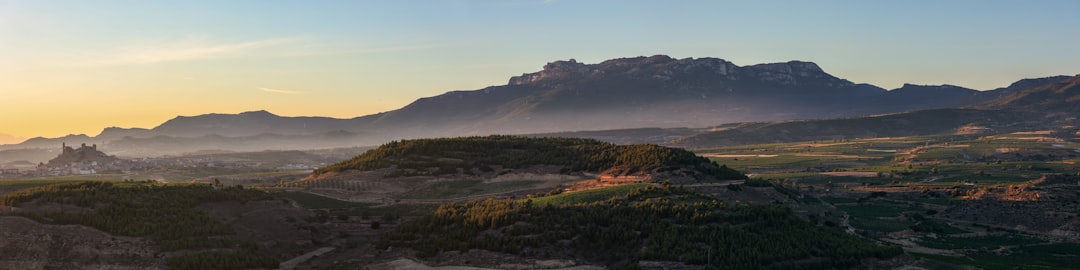
Photo by Mario La Pergola on Unsplash