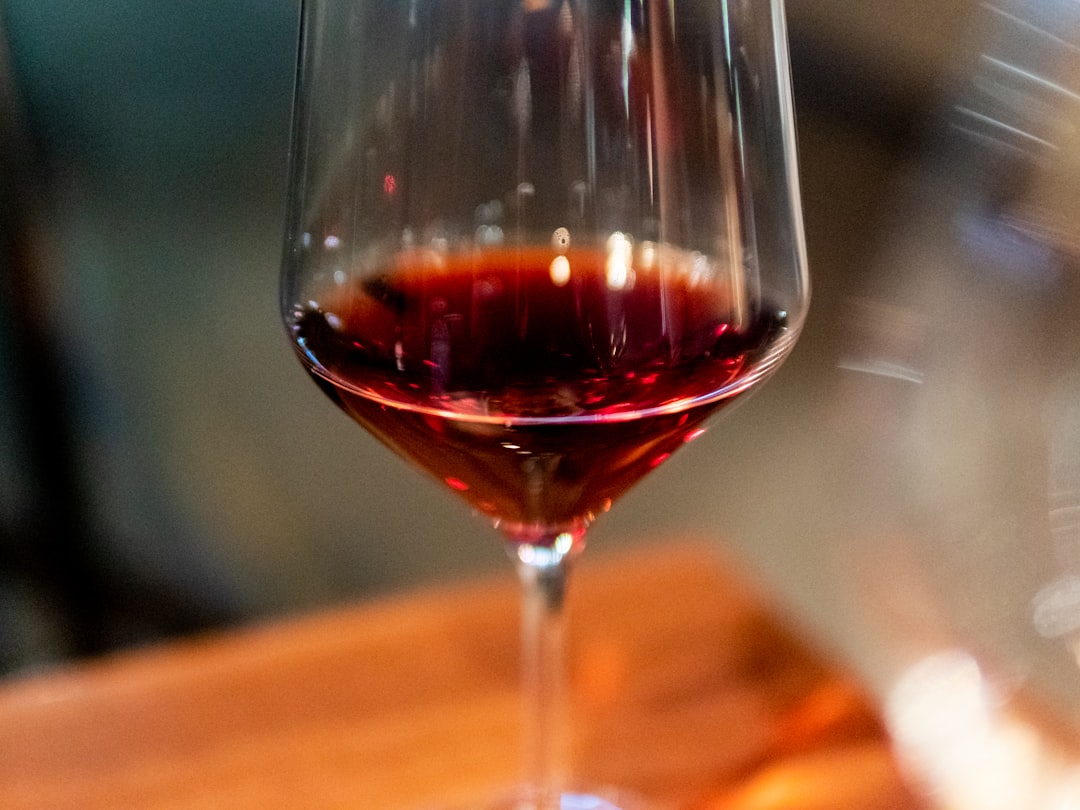
There are two kinds of people in the wine world. The ones who love structured, tannic reds, where the dry, slightly bitter pull on the gums is a feature, not a bug. And the ones who try a glass of big Cabernet, feel like they have swallowed a wool sweater, and quietly conclude that red wine “is not for them.” Most casual drinkers belong to the second group. They are not wrong. They just have not yet been pointed at the right reds.
Red wine is a vast category, and tannin level varies enormously across grapes, regions, and winemaking styles. The wines that feel harsh come from grapes with thick, tannin-rich skins (Cabernet Sauvignon, Nebbiolo, Syrah at the bigger end), or from wines made with heavy extraction and oak ageing. The wines that feel smooth come from grapes with thinner skins, cooler climates, and gentler winemaking. Once you know the difference, you can pick a red almost every time that you will actually enjoy.
This guide covers what tannin is, why it makes wine feel rough or smooth, and the ten reds that consistently overdeliver for drinkers who want red wine without the punishment. Every pick is under $30, every one is widely available, and every one will reshape your understanding of what red wine can be.
What Tannin Actually Is
Tannins are polyphenolic compounds found in the skins, seeds, and stems of grapes (and in wood, which is why oak ageing adds tannin too). When you drink a tannic wine, the tannins bind with proteins in your saliva, producing the dry, slightly puckering sensation on your gums and the roof of your mouth.
Tannins serve a purpose. They give wine structure, ageability, and a backbone that supports rich flavours and pairs with fatty foods. They are why big steaks call for big reds: the protein in the meat softens the tannin, making the wine feel less harsh.
But tannins can be a wall for casual drinkers. Three factors influence how harsh a red feels.
Grape variety. Thin-skinned grapes (Pinot Noir, Gamay, Frappato) produce naturally lower-tannin wines. Thick-skinned grapes (Cabernet Sauvignon, Tannat, Nebbiolo) produce naturally high-tannin wines.
Climate and winemaking. Cool climates and shorter maceration (the time wine spends in contact with grape skins) produce softer wines. Hot climates and longer maceration produce more tannic wines.
Oak influence. New oak barrels add tannin. Older barrels or stainless steel add none.
If you want smoother red wines, look for thin-skinned grapes, cooler climate regions, and shorter or gentler winemaking.
The 10 Picks
1. Cru Beaujolais (Fleurie, Brouilly, or Chiroubles)
The most reliable smooth red on earth. Gamay, the grape behind Beaujolais, has thin skins and produces wines with vivid fruit, bright acidity, and almost no tannic harshness. The ten Cru villages of Beaujolais make wines that rival serious Burgundy at a fraction of the price.
What it tastes like: Red cherry, raspberry, violet, sometimes a mineral edge from granite soils. Light to medium body. Refreshing.
Producers: Jean Foillard, Marcel Lapierre, Yvon Métras, Château Thivin, Domaine de la Madone.
Price: $16 to $25.
Why it’s perfect: Drinks beautifully young, pairs with almost anything, can be served slightly chilled. For more, see our Beaujolais guide.
2. Pinot Noir from Oregon’s Willamette Valley
Cool-climate Pinot Noir from Oregon is one of the most consistently approachable serious red wines in America. Mild summers, volcanic and sedimentary soils, and a generation of careful producers have created a regional style built on elegance rather than power.
What it tastes like: Bright red cherry, raspberry, sometimes hints of forest floor, low to moderate tannin, refreshing finish.
Producers: Cristom, Bethel Heights, Cloudline (the entry from Drouhin), A to Z Wineworks, Eyrie.
Price: $20 to $30.
Why it works: American provenance, food-flexible, never harsh. See our Willamette Valley guide.
3. Burgundy Bourgogne Rouge
The basic level of red Burgundy. Made from Pinot Noir, often from younger vines or vineyards just outside the more prestigious villages, these wines deliver the elegance of Burgundy at accessible prices.
What it tastes like: Cherry, raspberry, earth, fine tannin, classic Pinot Noir delicacy.
Producers: Joseph Drouhin, Olivier Leflaive, Bouchard Père & Fils, Faiveley.
Price: $20 to $35.
Why it works: Real Burgundy at entry-level prices, consistently smooth and food-flexible.
4. Frappato or Cerasuolo di Vittoria
Sicily’s lighter red grape produces some of the most refreshing reds in southern Italy. Frappato on its own is light, floral, and almost translucent. Blended with Nero d’Avola in the Cerasuolo di Vittoria DOCG, it gains structure without losing approachability.
What it tastes like: Bright cherry, strawberry, floral notes, low tannin, refreshing acidity.
Producers: COS, Arianna Occhipinti, Valle dell’Acate.
Price: $18 to $30.
Why it works: A genuine summer red, drinks beautifully chilled, surprises everyone who tries it.
5. Mencía from Bierzo (Northwestern Spain)
The Spanish dark horse. Mencía from Bierzo or Ribeira Sacra produces wines with the perfume of Pinot Noir and the savouriness of Cabernet Franc, all at moderate tannin levels.
What it tastes like: Red and dark cherry, herbs, graphite minerality, smooth tannins.
Producers: Raúl Pérez, Dominio do Bibei, Algueira, Guímaro.
Price: $18 to $30.
Why it works: A Spanish wine that drinks like a refined French wine, at Spanish prices.
6. Valpolicella Classico (Not Amarone or Ripasso)
The light, fruit-driven base of Valpolicella production. Made from Corvina, Rondinella, and Molinara, the Classico designation is a fresh, juicy red built for everyday drinking, not the heavier Amarone or Ripasso styles.
What it tastes like: Cherry, almond bitterness, herbs, light tannin, bright acidity.
Producers: Pieropan, Tommasi, Brigaldara.
Price: $14 to $22.
Why it works: One of the best value smooth reds from Italy. Pairs effortlessly with pasta, charcuterie, and lighter Italian food.
7. Loire Cabernet Franc (Chinon, Bourgueil)
Cabernet Franc from the Loire Valley is the smoother cousin to Cabernet Sauvignon. The grape has thinner skin, less tannin, and produces wines with herbal lift and bright fruit that drink well from release.
What it tastes like: Red cherry, raspberry, graphite, bell pepper, fine tannin, savoury character.
Producers: Bernard Baudry, Charles Joguet, Couly-Dutheil.
Price: $18 to $30.
Why it works: Sophisticated, food-friendly, never harsh. Particularly good with goat cheese and lamb.
8. Pinot Noir from Burgundy’s Marsannay or Mercurey
Slightly more serious than basic Bourgogne, but still in the approachable Burgundy tier. Marsannay (Côte de Nuits) and Mercurey (Côte Chalonnaise) produce reliable, accessible Pinot Noir at the village level.
What it tastes like: Cherry, earth, soft tannin, classic Burgundian elegance.
Producers: Bruno Clair (Marsannay), Faiveley (Mercurey), Bouchard (both).
Price: $25 to $40.
Why it works: A step up from basic Burgundy, still without harshness. The sweet spot for a casual drinker exploring serious red wine.
9. German Spätburgunder (Pinot Noir from Germany)
The under-the-radar pick. Germany’s Pinot Noir (Spätburgunder) has become one of the most exciting categories in serious wine over the last 15 years. Cool-climate vineyards in the Ahr, Baden, and the Pfalz produce wines with extraordinary elegance and refreshing acidity.
What it tastes like: Bright red cherry, raspberry, herbal notes, very low tannin, fresh finish.
Producers: Friedrich Becker, Meyer-Näkel, Bernhard Huber.
Price: $25 to $50.
Why it works: Some of the lightest, most elegant Pinot Noir in the world. Drinks beautifully chilled in summer.
10. Lambrusco (Yes, Real Lambrusco)
The wild card pick. Real Lambrusco (dry, sparkling, slightly red) from Emilia-Romagna is genuinely smooth, food-friendly, and refreshing. Forget the cheap, sweet supermarket Lambrusco of the 1980s. The serious version from Cleto Chiarli or Lini 910 is a different wine entirely.
What it tastes like: Bright cherry, raspberry, slight bitterness on the finish, refreshing fizz, almost no tannin.
Producers: Cleto Chiarli, Lini 910, Cantina della Volta.
Price: $14 to $25.
Why it works: A surprise for almost every guest. Bridges rosé and red. Pour slightly chilled.
What to Avoid
If you find most red wines too harsh, three categories to avoid (until your palate evolves).
Big Cabernet Sauvignon: Napa Valley Cabernet, classified-growth Bordeaux from heavy vintages, Australian Cabernet at the bigger end. These wines are built around tannic structure.
Young Italian classics: Barolo, Brunello di Montalcino, and Chianti Classico Riserva from recent vintages need years to soften. Young versions are dramatically more tannic than they will be at age 10.
Heavy Australian Shiraz: The Barossa Valley style of full-throttle Shiraz can feel overwhelming for drinkers who want smooth.
Tannat (from Madiran or Uruguay): Some of the highest-tannin wines in the world. Save for after you have built up tolerance.
Heavily oaked Spanish reds: Rioja Gran Reserva, Ribera del Duero at the top end. The oak adds tannin on top of the grape’s natural structure.
For more on the basics, see our best red wines for beginners guide and low tannin red wines guide.
How to Recognise Smooth Reds in the Shop
Three signals on a label tell you what you are getting.
Grape variety: Look for Pinot Noir, Gamay, Cabernet Franc, Mencía, Frappato, or Spätburgunder. These are the thin-skinned grapes that produce smoother wines naturally.
Region: Cool-climate regions (Burgundy, Loire Valley, Oregon, Germany, northern Italy) generally produce smoother wines than warm-climate regions (Napa, Australia, southern Italy).
Alcohol level: Wines under 13.5 percent alcohol tend to be lighter and less tannic. Wines at 14.5 percent or higher often have more tannin and more body.
Pairing Smooth Reds With Food
The food range is wide because smooth reds do not overwhelm dishes.
Excellent pairings:
- Roast chicken (Pinot Noir, Beaujolais, Cabernet Franc)
- Pasta with tomato sauce (Valpolicella, Beaujolais)
- Salmon (Pinot Noir served slightly chilled)
- Grilled vegetables (Frappato, Mencía)
- Charcuterie (any of the picks above)
- Soft cheeses (basic Burgundy, German Pinot Noir)
- Mushroom risotto (Pinot Noir, Spätburgunder)
Less obvious matches:
- Sushi (chilled Pinot Noir or Beaujolais)
- Korean BBQ (Pinot Noir, Beaujolais)
- Roast pork loin (Loire Cabernet Franc)
- Lentil dishes (Mencía, Beaujolais)
For more pairing detail, see how to pair wine with food and our chilled red wines summer guide.
A Smooth Red Mini-Cellar
If you want to commit to exploring smooth reds, six bottles will cover the territory:
- A Cru Beaujolais (Brouilly or Fleurie)
- An Oregon Pinot Noir (Cristom or Cloudline)
- A Bourgogne Rouge from a serious producer
- A Loire Cabernet Franc (Bernard Baudry Chinon)
- A Valpolicella Classico (Pieropan or Tommasi)
- A serious Spätburgunder (Meyer-Näkel or similar)
Tasting these back-to-back will give you a comprehensive map of where the smoothest serious reds come from.
Building Tannin Tolerance Over Time
For drinkers who want to eventually drink more structured reds, the path is gradual. The palate builds tolerance with exposure.
Phase 1 (the first six months): Stick with the picks above. Drink them with food.
Phase 2 (months 6 to 12): Try medium-tannin reds: Chianti Classico, basic Côtes du Rhône, simpler Bordeaux. The tannins are noticeable but not punishing.
Phase 3 (year two): Move to higher-tannin reds: Napa Cabernet, young Bordeaux from good vintages, Barolo with food.
Phase 4 (year three and beyond): Anything is on the table. By this point, the same wines that felt harsh on day one will feel structured and rewarding.
Most casual drinkers settle somewhere in Phase 2 and never feel the need to push further. There is nothing wrong with that. Smooth red wine is its own pleasure.
Explore with Sommo
Tracking which smooth reds work best for your palate is one of the fastest ways to upgrade your wine drinking. Sommo lets you scan each bottle, rate it honestly, and see patterns emerge. After 15 to 20 wines, you will know exactly which producers, regions, and styles consistently deliver for you. The Wine Character Analysis will also show whether your tannin tolerance is increasing over time, which most drinkers cannot see in real time.
Download Sommo free and find the reds that actually match how you want to drink.