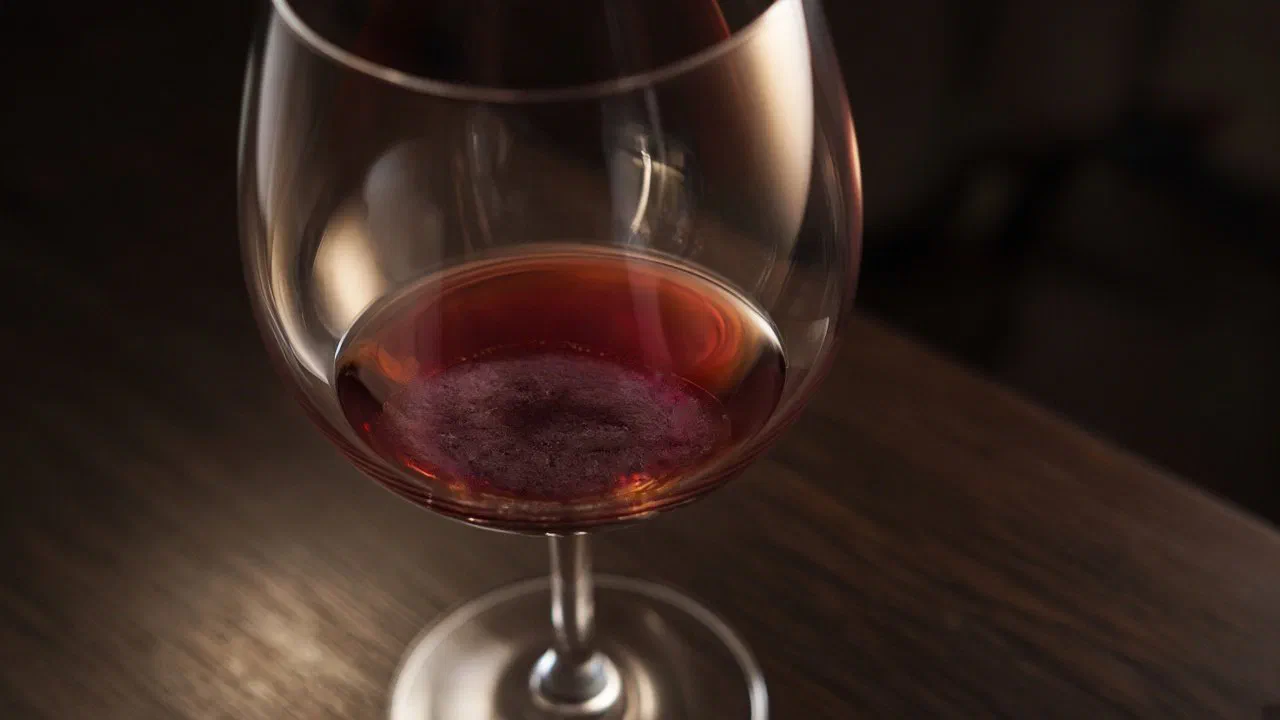
A reader once sent me a photo of what looked like broken glass at the bottom of her white wine and asked if she should call the shop. It was not glass. It was the same stuff as the cream of tartar in her baking cupboard.
The short answer: sediment and crystals in wine are almost always harmless. The glassy crystals are tartrates, and the Australian Wine Research Institute says they are non-toxic, non-allergenic and pose no health risks. The dark grit in older reds is mostly colour and tannin that have dropped out over time. Neither means the wine is faulty, though both feel gritty, so it is worth pouring carefully.
Below I cover the different kinds of sediment, why some of the best wines have the most, and how to serve a bottle without the bits.
What are the crystals in my wine?
They are almost certainly potassium bitartrate, nicknamed wine diamonds. Grapes naturally contain tartaric acid and potassium. After fermentation, the wine can hold more of the two than it can keep dissolved, so they join together and drop out as crystals, especially when the wine gets cold.
According to the AWRI:
- In white wine, the crystals can look like small glass shards.
- In red wine, they are usually dark red and can be mistaken for tannin or bits of wood.
- They often dissolve on touch and feel gritty if you drink them.
- Tartrates are used in food, as cream of tartar, and pose no health risks.
You may also find them stuck to the underside of a cork, particularly on bottles kept on their side somewhere cold.
Why do some wines have crystals and others do not?
Many wineries chill wine before bottling so the crystals form in the tank rather than in your bottle. The AWRI calls this cold stabilisation. Wines that skip or go light on that step are more likely to throw crystals in your fridge.
The crystals are considered a cosmetic defect, not a quality one. Some small producers deliberately do less to their wine, so finding a few wine diamonds can actually be a hint of a lighter touch.
What is the dark sediment in old red wine?
As a red wine ages, some of its colour pigments and tannins bind together into larger particles that fall to the bottom of the bottle. It is part of why old reds look paler and taste softer than young ones.
You will see it most in:
- Older reds, such as mature Bordeaux, Barolo or Rioja.
- Vintage and crusted port, which are bottled unfiltered and throw a heavy deposit. My port wine guide covers the styles.
- Unfiltered or natural wines, which may be slightly cloudy from the start.
Again, this is not harmful. It just tastes bitter and feels gritty.
Is cloudy wine a problem?
Sometimes it is a style, sometimes a fault. Unfiltered and natural wines can be gently hazy by design. A white wine that has turned hazy in the bottle may have a protein haze, which the AWRI also describes as harmless though not attractive. If a wine is cloudy and smells of vinegar or nail polish, or is fizzy when it should be still, that points to a real fault. My guide to corked vs oxidised wine explains the common ones.
How do I pour wine without the sediment?
- Stand the bottle upright for a day if you can, or at least a few hours, so the sediment settles to the bottom.
- Open it gently without tipping it back onto its side.
- Pour slowly in one continuous movement into a decanter or clean jug, with a light under the bottle’s shoulder.
- Stop when you see sediment reach the neck. Leave the last centimetre or so behind.
No decanter? Pour through a fine mesh tea strainer or an unbleached coffee filter. My guide on how to decant wine covers the technique in more detail, and the decanting glossary entry explains when it is worth the effort.
Can I stop crystals forming at home?
Not entirely, because the wine is already in the bottle. You can reduce the chances by keeping whites out of the very back of the fridge, where it is coldest, and chilling them for a few hours before drinking rather than for weeks. If crystals do form, let them settle and pour carefully.
How does Sommo help with wines like this?
Know what is in the bottle. Scan the label and Sommo tells you the grape, region, style and drinking window in about 10 seconds, so you know whether that Rioja is old enough to throw a deposit and is worth standing up the night before. The scan saves the wine; rate it after the first glass and it goes into your journal.
Fits your taste. Menu and shelf picks use your 10 most recent ratings, so if you love savoury, mature reds, Sommo leans that way when it picks for you.
Know when to open. With Premium, the Sommo cellar shows each bottle’s drinking window and status, so you open aged wines when they are at their best rather than when they are tired and all sediment.
It all runs on proprietary wine-tuned AI grounded in a hand-maintained wine library. The free tier gives you 5 lifetime AI scans per device, shared across label, menu and shelf scans, plus the journal and 30 days of journal history. Premium unlocks unlimited scans, lifetime history, Taste DNA, AI tasting feedback and Tasting Mode for $4.99 a month or $29.99 a year. Sommo runs on iPhone, iPad, Android, HarmonyOS and the web.
Download Sommo and know your bottle before you pour.
The bottom line
Crystals and sediment are natural and, according to the AWRI, pose no health risk. White glassy crystals are tartrates, the same as cream of tartar; dark grit in old reds and vintage port is colour and tannin settling out. Stand the bottle up, pour slowly, leave the last bit behind and judge the wine by its smell and taste, not by its bits.