For decades a screw cap meant cheap wine and a cork meant the real thing. That shortcut is now wrong often enough to throw away. Some of the world’s best whites come under screw cap, and a cork is no promise of quality. Here is what each closure actually does, and whether it changes what is in your glass.
The Two Closures
A cork is punched from the bark of the cork oak, a natural material that has sealed bottles for centuries. A screw cap, properly a Stelvin closure, is an aluminium cap with a liner inside that sits over the bottle’s threads. Both have one main job: seal the wine and control the tiny amount of oxygen that reaches it over time.
The Case for Cork
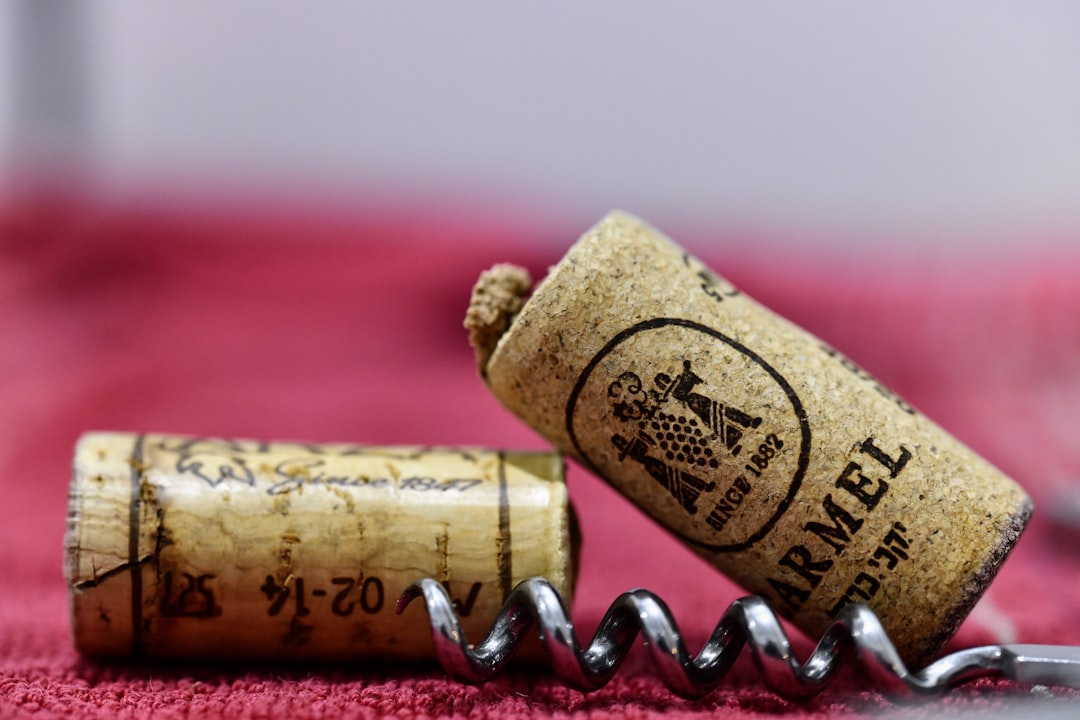
Cork allows a very slow, steady trickle of oxygen into the bottle, which helps age-worthy reds soften and develop over years. There is also the ritual: the foil, the pull, the soft pop. The downside is cork taint, a fault caused by a compound called TCA that leaves the wine smelling of damp cardboard. It affects a small but real share of cork-sealed bottles, and it is the reason a wine can be “corked”. Natural cork also varies bottle to bottle, so two of the same wine can age slightly differently. More on this in our wine faults guide.
The Case for Screw Cap
A screw cap gives a clean, consistent seal with no risk of cork taint, which is why it has become the standard for wines meant to be drunk fresh. It locks in the zip of aromatic whites and rosés, needs no corkscrew, and reseals in a second. New Zealand and Australia adopted screw caps widely, even for premium Sauvignon Blanc and Riesling, precisely to protect freshness. Modern liners can even be tuned to let in a little oxygen, narrowing the old gap for longer ageing.
Side by Side
- Keeping wine fresh: screw cap wins, especially for crisp whites and rosé.
- Ageing for a decade or more: cork still has the edge for fine reds, though the gap is shrinking.
- Risk of a faulty bottle: cork carries taint risk; screw cap effectively does not.
- Convenience and resealing: screw cap, easily.
- As a quality signal: neither, top producers now use both.
So Does It Affect Quality?
The closure influences how a wine keeps and ages, but it does not decide how good the wine is. What matters is the grape, the place and the making. Judging a bottle by its cap is as unreliable as judging it by the price tag. If you want a wine to last after opening, our guide on keeping wine fresh matters far more than the closure.
Frequently Asked Questions
Is screw cap wine lower quality than cork?
No. The closure does not determine quality, and many excellent wines, especially crisp whites from New Zealand and Australia, use screw caps to protect freshness. Top producers now use both, so judge the wine by its grape, region and maker.
Which is better, screw cap or cork?
It depends on the wine. Screw caps give a clean, consistent seal with no risk of cork taint, ideal for fresh whites and rosé. Cork allows a slow trickle of oxygen that helps age-worthy reds develop over years. Each suits a different job.
What is cork taint?
Cork taint is a fault caused by a compound called TCA, which makes a wine smell of damp cardboard and taste muted. It affects a small but real share of cork-sealed bottles and is why a wine is described as ‘corked’. Screw caps remove the risk.
Explore with Sommo
Stop letting the cap decide for you. Scan any bottle with Sommo, screw cap or cork, to learn the grape, region and style, then log how it actually tasted. Your own ratings will tell you far more than the closure ever could, and you will quickly see how many of your favourites twist open.
Download Sommo free and judge wine by what is in the bottle, not what is on top.