Sauvignon Blanc is the most popular white wine in the world after Chardonnay, and one of the most misunderstood. People who say “I drink Sauvignon Blanc” are usually picturing one specific style: the bright, grassy, citrus-forward New Zealand version that took over wine lists in the 2000s. But that style is one of three completely different expressions of the same grape, each tied to a region and a winemaking tradition, each producing a recognisably different wine.
If you have only ever drunk Marlborough Sauvignon Blanc, you have heard one chord of a three-chord song. The good news is the grape has more depth than its reputation suggests, and exploring all three styles is one of the easiest ways to upgrade your white wine experience without spending more money. This guide walks through each style, the regions that define it, what to look for on the label, and how to choose the right Sauvignon Blanc for the meal in front of you.
What Sauvignon Blanc Actually Is
Sauvignon Blanc is a green-skinned grape native to the Loire Valley and Bordeaux in France. The name itself derives from the French “sauvage” (wild) and “blanc” (white), reflecting the grape’s vigorous, wild-growing character. The grape contains particularly high levels of two aromatic compounds, methoxypyrazines (which produce green, vegetal notes like bell pepper and grass) and thiols (which produce tropical fruit and passion-fruit notes). The ratio between these compounds, driven by climate and winemaking, is what creates the dramatic style differences between regions.
Cool climates favour the pyrazines (grassy, herbaceous, citrus). Warmer climates favour the thiols (tropical, passion fruit, gooseberry). Skin contact, oak ageing, and lees handling further shape the result. Three distinct styles emerge.
Style 1: Flinty, Mineral, Restrained (Loire Valley, France)
The original Sauvignon Blanc, and the style that wine professionals tend to consider the most serious. Centred on Sancerre, Pouilly-Fumé, Menetou-Salon, and Quincy in the central Loire Valley.
Where it comes from: Cool continental climate. Soils built on Kimmeridgian limestone (the same soil that defines Chablis just to the north) and flint. The combination produces wines with bracing acidity, mineral complexity, and a distinctive “gun-flint” smoky character.
What it tastes like: Citrus (lemon, grapefruit, lime peel), green apple, white flowers, wet stones. The fruit is restrained. The mineral character dominates. Excellent acidity. Light to medium body. The best examples have a chalky texture that almost coats the palate.
The Pouilly-Fumé difference: Sancerre sits on the left bank of the Loire; Pouilly-Fumé sits on the right. The soils are similar but Pouilly-Fumé has more flint, which produces wines with an even more pronounced smoky (fumé means smoky in French) character.
Producers to know:
- Henri Bourgeois, Domaine Vacheron, Pascal Jolivet, Edmond Vatan in Sancerre
- Didier Dagueneau (now Florence and Charlotte Dagueneau), Pascal Jolivet’s Pouilly-Fumé in Pouilly-Fumé
- Henri Pellé in Menetou-Salon (a great-value alternative to Sancerre)
Price range: $20 to $45 for serious bottlings. Top Sancerre Premier Cru can reach $80 to $150.
What to pair it with: Goat cheese (the textbook Sancerre pairing), oysters, raw scallops, sole, grilled white fish, herb-driven salads, light pasta dishes with lemon and parmesan.
Style 2: Tropical, Pungent, Bright (Marlborough, New Zealand)
The style that built modern Sauvignon Blanc’s reputation. Cloudy Bay famously codified the Marlborough style in the 1980s, and the global wine industry has been following ever since.
Where it comes from: New Zealand’s Marlborough region on the northern tip of the South Island. The climate is cool, sunny, and intensely bright (the sun is closer to the earth in the Southern Hemisphere). Stony, free-draining soils. The combination produces grapes with both the cool-climate herbaceous pyrazines and the ripe-fruit thiols, often in striking concentrations.
What it tastes like: Passion fruit, gooseberry, grapefruit, cut grass, green pepper, lime zest. The aromatics are pronounced, sometimes almost pungent. Crisp acidity. Light body. The wine smells like a tropical fruit salad mixed with a freshly cut lawn.
Producers to know:
- Cloudy Bay: The original, still excellent at $25 to $35.
- Greywacke: Founded by Kevin Judd, Cloudy Bay’s former winemaker. Many consider it superior.
- Saint Clair, Dog Point, Astrolabe, Seresin: Excellent at the more accessible price points.
- Te Whare Ra, Hans Herzog, Babich: Smaller producers with strong followings.
Price range: $15 to $25 for the standard bottlings. The serious single-vineyard wines (Greywacke Wild Sauvignon, Cloudy Bay Te Koko) sit at $35 to $50.
What to pair it with: Sushi (especially salmon and tuna), Thai food, Vietnamese summer rolls, fresh asparagus (one of the few wine-pairing wins with that famously difficult vegetable), goat cheese, salads with vinaigrette, fresh oysters.
Style 3: Rich, Oaked, Round (California and Bordeaux)
The least familiar style to most casual drinkers, but worth knowing. Sauvignon Blanc treated with the same techniques used for Chardonnay (oak fermentation, oak ageing, lees stirring) produces a fuller, richer, more textured wine that almost reads as a different grape.
Where it comes from: California (particularly Napa Valley), Bordeaux (where it is often blended with Sémillon in the Pessac-Léognan region), and increasingly Australia and Chile. The technique was popularised by Robert Mondavi, who created the term “Fumé Blanc” in 1968 to describe his oaked California Sauvignon Blanc.
What it tastes like: Riper stone fruit (peach, apricot, melon), oak notes (vanilla, toast, sometimes coconut), a creamy texture from lees ageing. The grassy character is suppressed; the wine reads as round and generous rather than crisp and pungent.
Producers to know:
- Mondavi To-Kalon Fumé Blanc (Napa): The classic.
- Mason Cellars (Napa): Highly regarded for the California-style oaked Sauvignon Blanc.
- Château Smith Haut Lafitte, Château Pape Clément (Pessac-Léognan, Bordeaux): The serious Bordeaux white expression.
- Domaine de Chevalier (Pessac-Léognan): One of the most age-worthy white Bordeaux producers.
Price range: $20 to $50 for the California examples. Serious Pessac-Léognan whites can reach $60 to $200 at the top end.
What to pair it with: Roast chicken, grilled fish with herb butter, cream-based pasta, lobster, white truffle dishes, soft cheeses, charcuterie.
How to Recognise Each Style on the Label
The label tells you nearly everything you need to know.
For the Loire style: Look for “Sancerre,” “Pouilly-Fumé,” “Menetou-Salon,” or “Quincy.” The region name does the work; the grape name is often not even printed on the bottle (these wines are sold by appellation).
For the Marlborough style: Look for “Marlborough” prominently on the front label, alongside “Sauvignon Blanc.” If it says “New Zealand” without specifying Marlborough, it is probably still this style; Marlborough produces over 75 percent of New Zealand’s Sauvignon Blanc.
For the oaked style: Look for “Fumé Blanc” (the Mondavi-coined term), “Pessac-Léognan,” “Graves,” or any California producer that signals barrel ageing on the back label. White Bordeaux from these appellations is almost always partly oak-aged.
Comparing Sauvignon Blanc to Other White Wines
The grape’s profile makes more sense in context. It is also a staple of the WSET Level 2 grape varieties quiz, which drills exactly these contrasts.
Sauvignon Blanc vs Pinot Grigio
Sauvignon Blanc is more aromatic and more obviously fruity. Pinot Grigio is more restrained and neutral. Both are typically dry with good acidity, but Sauvignon Blanc has the herbaceous and tropical character that gives it a distinctive flavour. Pinot Grigio is the quieter, more food-flexible white. For the full comparison, see Pinot Grigio vs Sauvignon Blanc.
Sauvignon Blanc vs Chardonnay
Chardonnay is fuller-bodied, often oaked, and more textural. Sauvignon Blanc is crisper, more aromatic, and almost always unoaked (the oaked Fumé Blanc style is the exception). The two grapes occupy almost opposite ends of the white wine spectrum: one is built on weight and texture, the other on freshness and aromatics. For the deep comparison, see Chardonnay vs Sauvignon Blanc.
Sauvignon Blanc vs Albariño
Both are crisp, aromatic, food-friendly. Albariño has more salinity and stone fruit. Sauvignon Blanc has more herbaceous character and grassy notes. Sauvignon Blanc is more widely available; Albariño is the discovery for drinkers ready to move sideways.
How to Pick a Sauvignon Blanc for the Meal
Match the style to the food.
For seafood, sushi, light salads: Marlborough. The aromatic punch handles raw fish and bright vegetable dishes.
For goat cheese, oysters, grilled white fish: Sancerre or Pouilly-Fumé. The mineral character is built for this category.
For roast chicken, cream sauces, richer fish: Fumé Blanc or white Bordeaux. The weight handles richer dishes.
For Thai or Vietnamese food: Marlborough. The grass-and-citrus profile lines up with fresh herbs.
For aperitivo or solo drinking: Any. Sauvignon Blanc is one of the most drinkable whites in any style.
For broader pairing ideas, see how to pair wine with food.
The Sauvignon Blanc Mini-Cellar
If you want to explore the grape across all three styles, six bottles will give you a working education:
- A Sancerre from Henri Bourgeois or Pascal Jolivet: The Loire standard.
- A Pouilly-Fumé from Domaine Dagueneau if you can afford it: The pinnacle of the flinty style.
- A Cloudy Bay or Greywacke Marlborough: The reference for the modern New Zealand style.
- A Dog Point Section 94 (Marlborough oaked): The Kiwi take on the rich style.
- A Mondavi To-Kalon Fumé Blanc: The California oaked classic.
- A Château Smith Haut Lafitte Blanc or Domaine de Chevalier: The serious oaked Bordeaux expression.
Drinking these back to back is one of the most efficient wine-education exercises you can do at home, and the blind tasting trainer turns the same exercise into a game. The same grape, three different worlds. For more bottle picks across budgets, the best Sauvignon Blanc list goes deeper.
A Few Common Questions
Is Sauvignon Blanc sweet? Almost always dry. The fruity, tropical character can read as slightly sweet to a novice palate, but technically dry. The exception: late-harvest dessert wines from Bordeaux (Sauternes is partly Sauvignon Blanc, blended with Sémillon).
Does Sauvignon Blanc age? The Marlborough style is generally not aged. The Loire style ages 5 to 10 years from top producers, developing more honey and stone fruit. The oaked Bordeaux style ages exceptionally; top Pessac-Léognan whites can hold 20 to 30 years.
Why does some Sauvignon Blanc smell “like cat pee”? This is a real (and sometimes used by wine professionals) descriptor for the most pungent thiol expression, especially in Marlborough wines. The compound responsible is similar to the one in box hedge. It is a quality marker in moderation, overwhelming when overdone.
What does “fumé” mean? “Smoky” in French. Applied originally to Pouilly-Fumé to describe the flinty character, and later borrowed by Robert Mondavi to brand his California oaked Sauvignon Blanc style.
Explore with Sommo
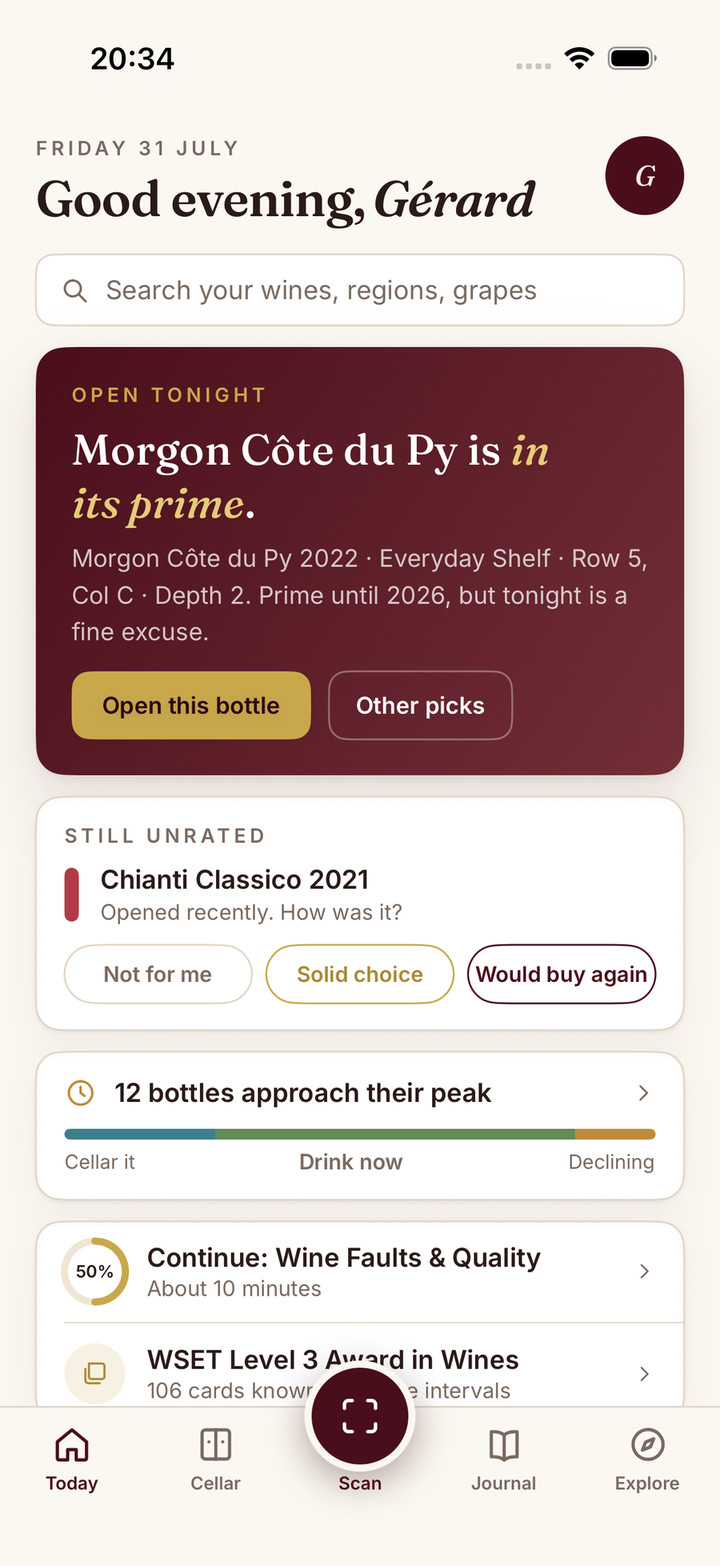
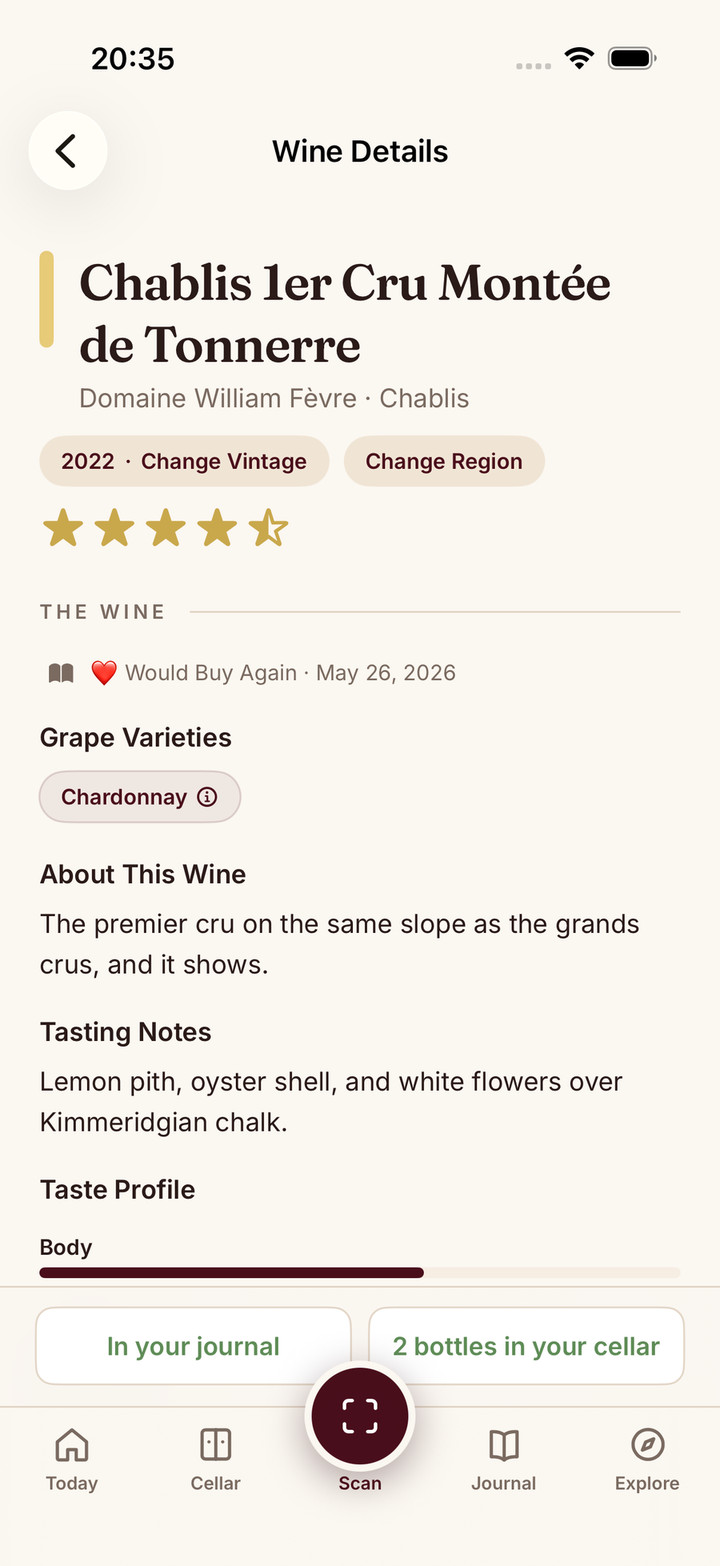
Sauvignon Blanc is one of the easiest grapes to map your palate against, because the regional styles are so distinct. After tasting wines from each of the three styles, you will quickly know which one you prefer, and the AI in Sommo will surface similar wines for you to try. The Wine Character Analysis also catches patterns most drinkers miss: that you prefer Sancerre’s mineral character over Marlborough’s tropical character, or that you like oaked whites in winter and crisp whites in summer. Patterns you cannot see in real time but become obvious with logged data.
Download Sommo free and start mapping a grape that rewards close attention.
If the place name still looks like a separate variety, Sancerre versus Sauvignon Blanc explains the label relationship, regional style, price and food decision directly.