Few grapes divide wine drinkers quite like Riesling. Mention it at a dinner party and someone will wrinkle their nose: “Isn’t that the sweet one?” The short answer is: sometimes, but often not at all. Riesling is actually one of the most versatile white grapes in the world, capable of producing everything from searingly dry, mineral wines to unctuous dessert classics. Once you understand the spectrum, it becomes one of the most exciting varieties to explore.
The “Riesling Is Too Sweet” Myth
This misconception has its origins in the 1970s and 80s, when cheap, sugary Liebfraumilch and Blue Nun flooded the UK and US markets. Many people formed their first impression of German white wine on these products, and the association stuck.
The reality is very different. Most quality Riesling produced today is dry or off-dry. Germany’s best estates produce Rieslings with as little residual sugar as a Chablis. Even when Riesling has sweetness, its naturally high acidity balances the sugar so effectively that the wine tastes refreshing rather than cloying.
The Dry-to-Sweet Spectrum
Riesling exists at every point on the sweetness scale:
- Completely dry: Common in Alsace, Austria, and Clare Valley Australia. Also produced by many top German estates.
- Off-dry: A whisper of sweetness balanced by high acidity. This is the style most associated with German Kabinett and Spätlese Rieslings.
- Medium-sweet: Rich, honeyed wines where sugar and acidity are in beautiful balance. Auslese and Beerenauslese from Germany.
- Lusciously sweet: Trockenbeerenauslese (TBA) and Eiswein represent the extreme end. Rare, expensive, and extraordinary.
For the wider world of dessert styles, the beginner’s guide to sweet wines maps the territory.
Key Regions
Germany
Germany is Riesling’s heartland. The Mosel, Rheingau, Pfalz, and Rheinhessen are the key regions. Mosel Rieslings are the most delicate: light, low in alcohol, with a breathtaking balance of fruit and acidity and a distinctive slate minerality. Rheingau tends toward more body and structure. Pfalz produces riper, more full-bodied expressions.
How to read the label: German Riesling labels use the Prädikat system, which ranks wines by the ripeness of the grapes at harvest. From driest to sweetest:
| Prädikat | Style |
|---|---|
| Kabinett | Lightest, usually off-dry, low alcohol |
| Spätlese | “Late harvest,” riper, slightly richer |
| Auslese | “Selected harvest,” noticeably sweet |
| Beerenauslese (BA) | Very sweet, rare, from individually selected berries |
| Trockenbeerenauslese (TBA) | Intensely sweet, extremely rare |
| Eiswein | Made from frozen grapes, concentrated sweetness |
Note: the words “Trocken” (dry) or “Halbtrocken” (off-dry) on a label indicate a dry style within a Prädikat level. These label terms come up constantly in the WSET Level 2 grape varieties quiz, if you fancy drilling them.
Alsace, France
Alsatian Riesling is almost always bone dry, full-bodied, and intensely aromatic. The wines are richer and more textured than German Mosel styles, with less acidity and more weight. If you want to convince a Riesling sceptic, Alsace is an excellent place to start.
Austria
Austrian Riesling, particularly from the Wachau and Kamptal regions, is dry, mineral, and age-worthy. The Wachau has its own classification system: Steinfeder (light), Federspiel (medium), and Smaragd (full-bodied, ripe). Austrian Riesling is underrated and often excellent value for its quality.
Clare Valley, Australia
Clare Valley in South Australia produces some of the most distinctive Rieslings outside Europe. Bone dry, with vibrant lime, green apple, and mineral notes, these wines develop remarkable complexity with age, taking on petrol and honeyed notes after ten or more years. They are some of the most age-worthy white wines Australia produces.
Food Pairings
Riesling’s high acidity and aromatic intensity make it one of the most food-friendly white wines available:
- Asian cuisine: Riesling’s off-dry styles are exceptional with Thai, Vietnamese, Chinese, and Japanese food. The sweetness balances chilli heat, and the acidity cuts through richness.
- Spicy dishes: Any spicy food benefits from the cushion of slight sweetness and the cooling effect of high acidity.
- Pork: A classic German combination: Riesling with pork schnitzel, roast pork with apple sauce, or slow-cooked pork belly.
- Charcuterie and cured meats: The acidity cuts through fat beautifully.
- Smoked fish: Smoked salmon, trout, or mackerel with a Mosel Kabinett is outstanding.
- Soft cheeses: Fresh goat’s cheese, brie, and mild camembert all pair well.
Explore with Sommo
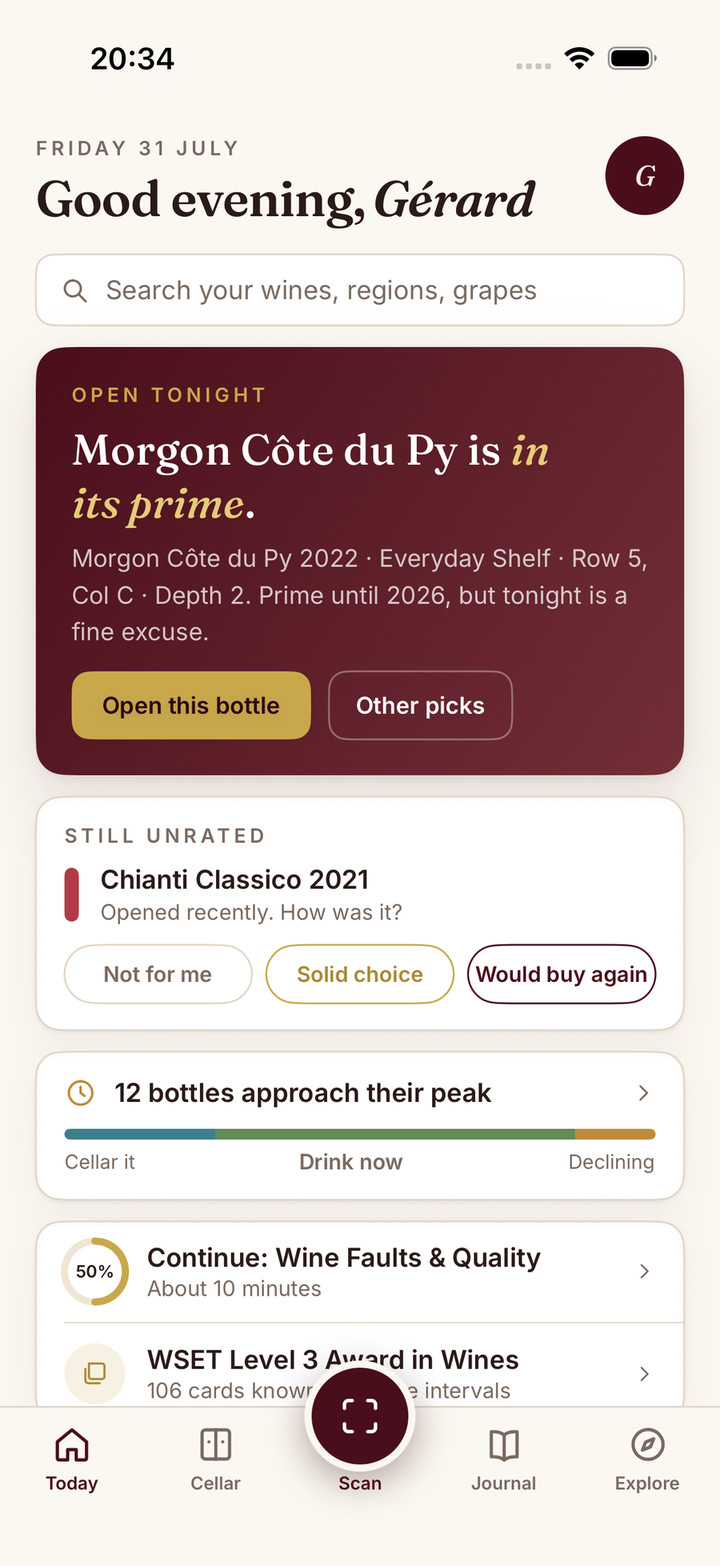
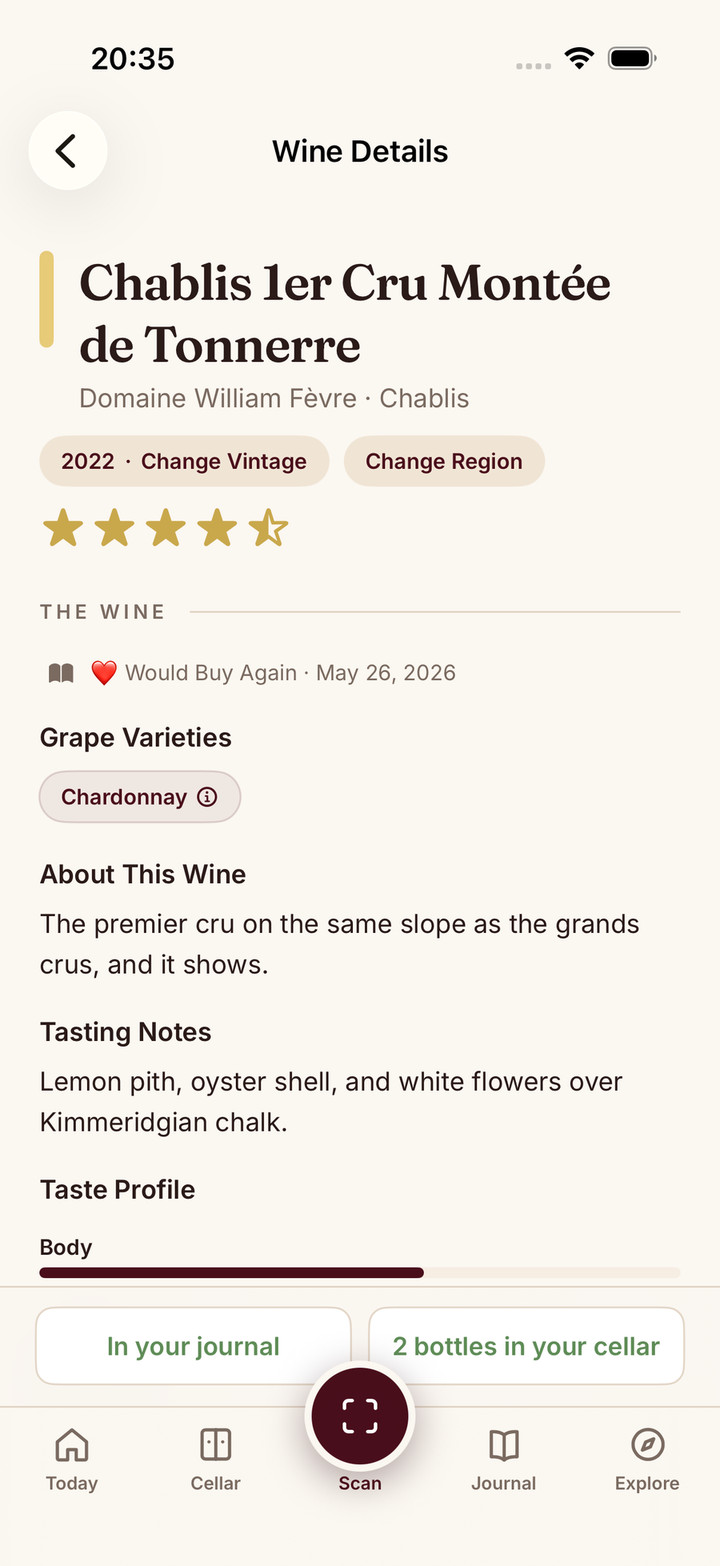
Riesling’s label can be genuinely confusing, even for experienced wine drinkers. Sommo scans the label and instantly tells you whether the bottle is dry, off-dry, or sweet, where it is from, and what to eat with it. No more guessing at the dinner table.