How to Remember Every Wine You've Loved
The average wine drinker forgets 94% of wines within 2 weeks. Here's the dead-simple system that captures every great bottle in 30 seconds or less.
You’re at a restaurant. The sommelier brings a bottle. One sip and you know: this is exceptional. You savor every glass.
Two weeks later, someone asks what you’ve been drinking lately.
You remember it was red. French, maybe? The label had something on it. Was it a 2019 or 2020?
Gone. Another great wine lost to the void.
Research from the Wine Market Council shows the average wine drinker forgets 94% of wines they’ve enjoyed within two weeks. Names blur together. Vintages evaporate. That perfect bottle becomes a vague, frustrating memory.
Here’s how to never lose a great wine again.
Why Wine Memory Specifically Fails
Wine has a unique combination of memory problems:
Complex names: Château Haut-Bailly vs. Château Haut-Bages-Libéral. Both start with “Château Haut-Ba…” Good luck.
Similar labels: Wine labels prioritize aesthetics over memorability. Many look virtually identical.
Context confusion: You remember the dinner, the company, the atmosphere. The wine details blur into the background.
Too many variables: Producer, vintage, region, grape, price, where you bought it. That’s 6+ data points per bottle.
Alcohol effect: Let’s be honest. You were drinking.
The solution isn’t a better memory. It’s a system that captures information while you still have it.
The 30-Second Rule
You have about 30 seconds while holding the bottle before details start fading. Use them.
Minimum viable capture:
- Take a photo of the front label
- Take a photo of the back label (often has more info)
That’s it. Even if you do nothing else, a photo library of labels lets you reconstruct what you drank and when.
Time investment: 15 seconds Success rate for finding the wine again: 80%+
The Three-Level System
Level 1: Photo Only (15 seconds)
What you do: Snap the label. Add to a dedicated album.
What you get: Visual record, searchable by date.
Best for: Casual drinkers who want minimal effort.
Find it later: Scroll photos, use image search, or show to a wine shop.
Level 2: Photo + Voice Note (45 seconds)
What you do: Snap the label. Record a 10-second voice memo:
“Really smooth, not too tannic. Would definitely buy again. Maybe $40?”
What you get: Personal reaction captured in the moment.
Best for: Regular wine drinkers building preference awareness.
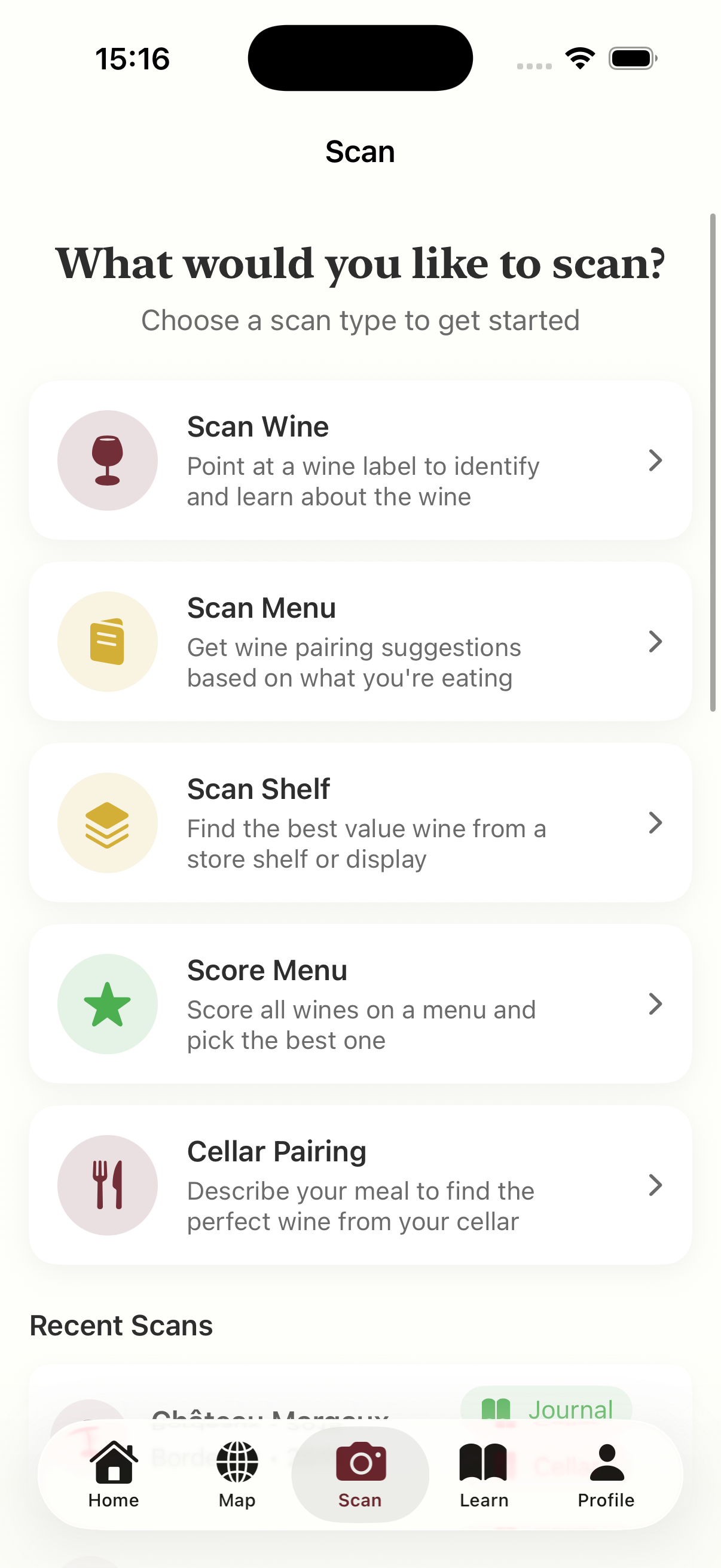
Level 3: Dedicated App Tracking (90 seconds)
What you do: Use Sommo or another wine tracking app to:
- Scan label for automatic information capture
- Rate on a consistent scale
- Add tasting notes with guided prompts
- Record price paid
- Note food pairing and occasion
What you get: Searchable database, pattern recognition, smart recommendations.
Best for: Enthusiasts who want data-driven wine discovery.
What Information Actually Matters
Not all wine data is equally useful for finding wines again. Focus on what helps future you:
Always Capture (Essential)
| Field | Why It Matters |
|---|---|
| Wine name + producer | You need this to find it again |
| Vintage year | Same wine tastes different by year |
| Your rating | Simple thumbs up/down works |
| Would you buy it again? | The only question that really matters |
Capture When You Can (Helpful)
| Field | Why It Matters |
|---|---|
| Price paid | Helps evaluate value |
| Where you bought/drank it | Aids repurchasing |
| What you ate with it | Improves future pairing decisions |
| Who you shared it with | Turns record into memory |
Optional (For Deep Divers)
- Detailed tasting notes (aromas, flavors, finish)
- Serving temperature
- Decanting time
- How wine evolved over the evening
Start with essentials. Add more as the habit forms.
The Quick Tasting Note Framework
“I don’t know how to describe wine” is the most common barrier to note-taking.
Use this 3-question framework instead:
Question 1: Did I like it? Rate 1 to 5, or simply: loved it / liked it / it was fine / didn’t like it
Question 2: What did it remind me of? Pick from: fruity / earthy / spicy / oaky / floral / mineral (You don’t need to identify “hints of cassis and graphite”)
Question 3: Would I buy it again, and at what price? Yes (at any price) / Yes (under $X) / Only if someone else is buying / No
That’s a useful tasting note. It takes 20 seconds to record.
Handling Social Situations
Taking out your phone at a dinner party feels awkward. Here are tested solutions:
The bathroom strategy: Snap a photo of the label on your way to the restroom. Takes 10 seconds. Nobody notices.
The “for my records” approach: At the end of dinner, say “I’m trying to track wines I like. Mind if I grab a quick photo?” No one minds. Most hosts are flattered.
The ask-the-host method: “This is delicious. What are we drinking?” Note it in your phone immediately.
The memory palace: Mentally link the wine to something unusual about the evening. Your brain stores stories better than data. (“The night Sarah announced her promotion, we drank that amazing Burgundy.”)
Building Patterns Over Time
After tracking for 3 to 6 months, patterns emerge that transform your buying decisions:
You might discover:
- You consistently rate Pinot Noir 4 to 5 stars, but Cabernet only 2 to 3
- Wines over $50 don’t score proportionally higher for you
- Italian reds from regions like Tuscany are your sweet spot
- You dislike heavily oaked whites
- Wines from one particular importer keep appearing in your favorites
These insights mean you stop gambling on random bottles and start buying with confidence.
The Digital vs. Analog Decision
Pure Digital (App-Based)
Tools: Sommo, Vivino, CellarTracker
Pros:
- Searchable database
- Automatic label recognition
- Pattern analysis and recommendations
- Always with you
- Backup to cloud
Cons:
- Phone at dinner
- Requires battery
- Learning curve
Best for: Data-oriented people who want insights
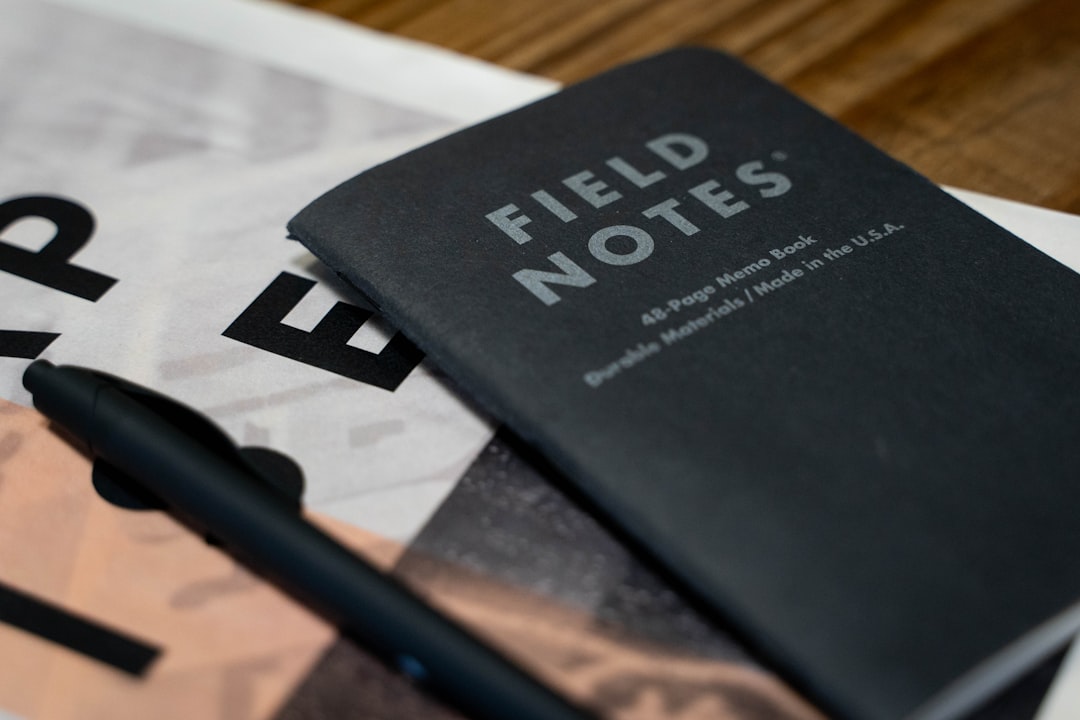
Pure Analog (Notebook)
Tools: Dedicated wine journal, pen
Pros:
- Tactile, meditative
- No screens during dinner
- Never runs out of battery
- Forces thoughtful engagement
Cons:
- Not searchable
- Easy to forget the notebook
- No backup
Best for: People who enjoy physical journaling
Hybrid (Recommended)
During dinner: Photo of label only (15 seconds, minimal disruption)
After dinner (same evening): Transfer to app or journal with notes while memory is fresh
Best for: People who want rich records without phones at the table
The Wine Journal ROI
Is tracking worth the effort?
The math:
- Average wine enthusiast buys 4 bottles per month = $80/month
- 30% of those purchases are disappointments = $24 wasted
- After 6 months of tracking, disappointment rate drops to 10% = $8 wasted
- Monthly savings: $16
- Annual savings: $192
Plus the intangible value of never losing another perfect-dinner wine to memory fog.
Starting Today
If you have 15 seconds: Create a “Wine Photos” album on your phone. Start snapping labels tonight.
If you have 2 minutes: Download Sommo. Scan one bottle you currently have at home.
If you have 10 minutes: Set up your system (app or notebook), record the last 3 to 5 wines you remember enjoying, and commit to tracking the next 10 bottles.
A year from now, scrolling through your wine history brings back dinners, trips, and celebrations. The bottle becomes a bookmark for the memory.
Start simple. A photo album is infinitely better than nothing. Grow the system as wine becomes more central to your life.
And the next time someone asks what you’ve been drinking? You’ll have an answer.
Liked this read? Try the app.
Scan any wine label with AI, build your tasting journal, and learn wine your way.