Why Red Wine Gives You Headaches
Why does red wine give me a headache but white wine doesn't? Science reveals the true culprits behind red wine headaches, and sulfites aren't one of them.
Two glasses of Cabernet and you wake up feeling like someone’s drilling into your skull. Meanwhile, your friend polishes off half a bottle with zero consequences. What gives?
If you’ve ever Googled “why does red wine give me a headache,” you’ve probably read that sulfites are the villain. It’s the most repeated wine myth on the internet. And it’s almost certainly wrong.
Here’s what the science actually says about red wine headaches, why they happen to some people and not others, and what you can do about it tonight.
Wait, It’s Really Not Sulfites?
Here’s the fact that destroys the sulfite theory: white wine contains more sulfites than red wine. So does dried fruit. A handful of dried apricots packs more sulfites than a glass of Merlot.
If sulfites caused your headaches, you’d be clutching your temples after eating a salad with dried cranberries. But that doesn’t happen.
True sulfite sensitivity exists, but it’s rare (affecting about 1% of the population) and primarily triggers respiratory symptoms in people with severe asthma. Headaches aren’t a typical sulfite reaction.
So what IS causing your pain?
The 4 Real Culprits Behind Red Wine Headaches
1. Histamines (The Most Likely Suspect)
Red wine contains 20 to 200% more histamines than white wine. These compounds form during fermentation and grape skin contact, which is why darker wines have higher levels.
If aged cheese, cured meats, sauerkraut, or smoked fish also trigger headaches for you, histamine sensitivity is likely your issue. Your body might not produce enough diamine oxidase (DAO), the enzyme that breaks down histamines.
The tell: You also react to other fermented or aged foods.
2. Tannins (The Serotonin Connection)
Those mouth drying compounds that make your lips pucker? They trigger serotonin release in your brain. For some people, elevated serotonin levels cause blood vessel changes that lead to throbbing headaches.
Thick skinned grapes like Cabernet Sauvignon, Syrah, and Nebbiolo have the highest tannin levels. Thin skinned varieties like Pinot Noir and Gamay have significantly less.
The tell: Bold, structured reds cause more problems than lighter styles.
3. Tyramine (The Blood Pressure Factor)
This amino acid, found in fermented foods, can cause blood vessels to first narrow, then expand, creating that classic pounding headache sensation. Red wine, aged cheese, and cured meats all contain tyramine.
This might explain why wine and cheese nights sometimes end badly.
The tell: Your headache comes with a flushed face or racing heart.
4. Congeners (The Hangover Amplifiers)
These byproducts of fermentation are more concentrated in darker alcoholic drinks. Research shows that darker spirits cause worse hangovers than clear ones, and the same principle applies to wine. Red wines have more congeners than whites.
The tell: Darker wines consistently cause more severe morning after effects.
The Dehydration Multiplier
Here’s what makes everything worse: alcohol is a diuretic. Every glass of wine pulls water from your body. Dehydration amplifies the effects of histamines, tannins, and congeners.
Many “red wine headaches” are actually just dehydration wearing a disguise.
7 Ways to Drink Red Wine Without the Headache
1. The water rule. One full glass of water between each glass of wine. Not negotiable if you’re headache prone.
2. Choose lighter reds. Pinot Noir, Gamay (Beaujolais), and Valpolicella have lower histamine and tannin levels than Cabernet or Syrah.
3. Eat first and while drinking. Food slows alcohol absorption and gives your body time to process wine compounds. Never drink on an empty stomach.
4. Try an antihistamine. Some people find that taking a non drowsy antihistamine 30 minutes before drinking prevents headaches. Talk to your doctor before trying this.
5. Drink quality, not quantity. Cheap wines often contain more additives and residual sugars that can contribute to headaches. Mid range wines from reputable producers tend to be cleaner.
6. Watch your pace. Slow down. Your body needs time to process each glass. Rushing through a bottle guarantees problems.
7. Track your triggers. Not all reds are equal. Keep notes on which wines cause issues. You might find that Willamette Valley Pinot Noir is fine while Argentine Malbec is a problem.
Red Flags: When to See a Doctor
See a healthcare professional if:
- Headaches occur with any alcohol, not just red wine
- The pain is severe or different from your usual headaches
- You experience neurological symptoms like vision changes
- Headaches started suddenly after years of drinking wine without issues
These could signal something beyond simple wine sensitivity.
Your Red Wine Headache Cheat Sheet
| If This Happens… | The Likely Cause | Try This |
|---|---|---|
| All dark reds cause problems | Histamines or tannins | Switch to lighter reds |
| Aged cheese triggers headaches too | Histamine sensitivity | Consider antihistamines |
| Cheap wine is worse than quality wine | Congeners or additives | Upgrade your selections |
| Headache hits next morning | Dehydration + congeners | More water, slower pace |
Find What Works for You
Everyone’s chemistry is different. Your friend might drink Barolo without issues while you need to stick to rosé. That’s not a failure; it’s biology.
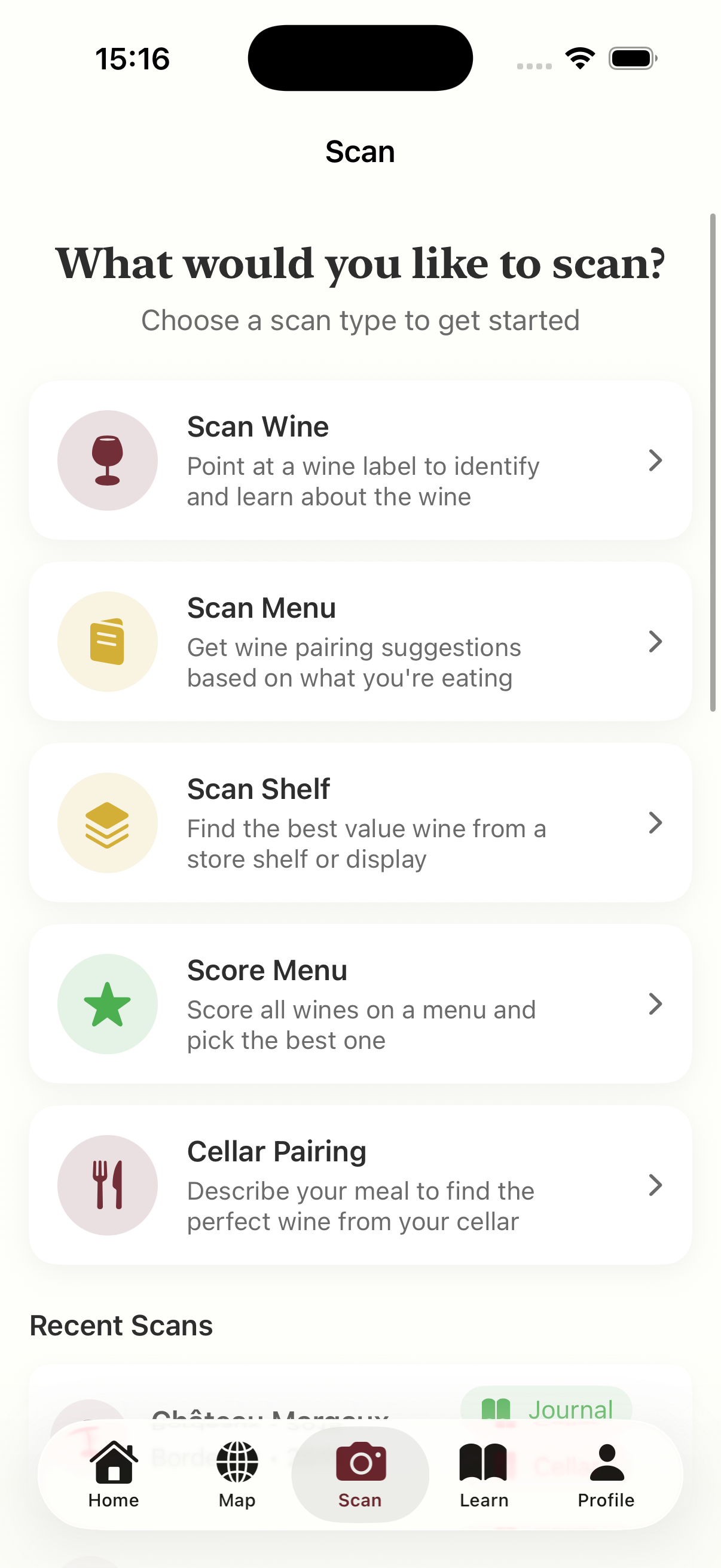
The Sommo wine journal lets you track exactly which wines trigger reactions and which ones don’t. After a few weeks of logging, patterns emerge. Maybe you discover that Willamette Valley Pinot Noir is your sweet spot. Maybe you find that Italian reds work better than French ones.
Knowledge replaces guesswork.
The Bottom Line
Red wine headaches are real, and they’re not your imagination or weakness. But sulfites aren’t the cause. Histamines, tannins, tyramine, and congeners are the actual culprits, usually amplified by dehydration.
With a few adjustments to what you drink and how you drink it, you can enjoy red wine without paying for it the next morning.
Life’s too short to give up great wine. It’s also too short for unnecessary headaches. Find your balance.
Liked this read? Try the app.
Scan any wine label with AI, build your tasting journal, and learn wine your way.