Portugal is one of the most exciting and underrated wine countries in the world. While most people know Port, the country’s still wines are a revelation: diverse, characterful, and offering some of the best value anywhere. From the breezy whites of Vinho Verde to the powerful reds of the Douro, Portuguese wine rewards exploration at every price point.
Why Portugal Deserves Your Attention
Portugal has over two hundred and fifty indigenous grape varieties, more than almost any other country. This means Portuguese wines taste unlike anything else. You will not find these grapes in California or Australia. This uniqueness, combined with a winemaking tradition stretching back thousands of years, produces wines with genuine identity and sense of place.
Even better, Portugal remains remarkably affordable. Excellent wines are available at price points that would be impossible in France, Italy, or Spain for comparable quality.
Key Wine Regions
Douro Valley
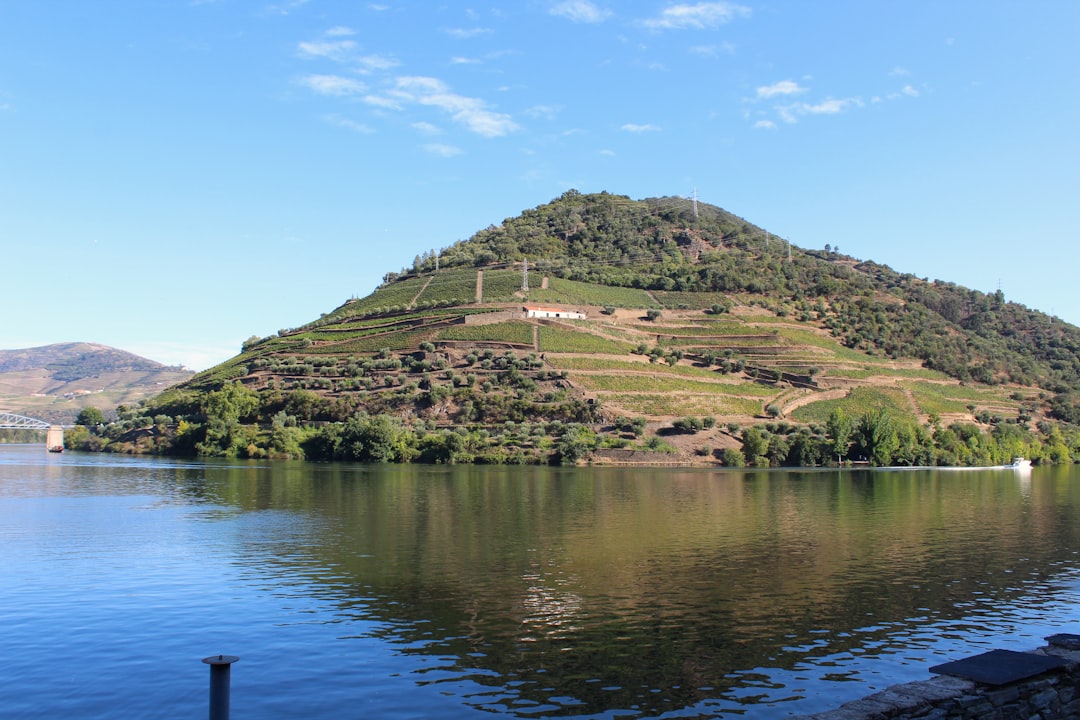
The Douro Valley is Portugal’s most prestigious wine region, dramatically terraced along the Douro River. While it remains the home of Port wine, the Douro has transformed into one of Europe’s most exciting regions for dry red wines. Douro reds are powerful, complex, and age-worthy, built from blends of indigenous grapes including Touriga Nacional, Touriga Franca, Tinta Roriz, and Tinta Barroca.
Vinho Verde
The Vinho Verde region in the northwest produces Portugal’s most refreshing whites. Light, slightly effervescent, and low in alcohol, Vinho Verde is perfect for warm-weather drinking. The best examples, made from Alvarinho (Albarino in Spain), offer peach, citrus, and a saline minerality that pairs beautifully with seafood.
Alentejo
The vast Alentejo region in southern Portugal produces generous, fruit-forward reds and increasingly impressive whites. The warm, dry climate delivers ripe, approachable wines that are easy to enjoy young. Think of Alentejo as Portugal’s answer to the south of France: sunny, affordable, and crowd-pleasing.
Dao
Dao, in central Portugal, is a cooler, more elegant counterpart to the Douro. Its granitic soils and higher altitude produce reds with bright acidity, fine tannins, and floral aromatics. Dao Touriga Nacional is often compared to fine Burgundy for its elegance and subtlety. This is a region to watch.
Key Grapes to Know
- Touriga Nacional: Portugal’s finest red grape. Dark, concentrated, and aromatic with violet, blackberry, and spice. Produces the backbone of top Douro reds and vintage Port.
- Alvarinho: A white grape producing aromatic, textured wines with peach, citrus, and mineral character. At its best in Vinho Verde’s Moncao and Melgaco sub-regions.
- Trincadeira: A widely planted red grape offering plum, floral, and herbal notes. It thrives in the Alentejo’s warmth and contributes generosity to blends.
- Touriga Franca: The Douro’s most planted grape, adding floral aromatics and supple fruit to blends.
- Encruzado: A white grape from Dao with exceptional potential. Rich, complex, and capable of ageing, it is sometimes called Portugal’s answer to fine white Burgundy.
A Note on Port
No Portuguese wine guide would be complete without mentioning Port. This fortified wine from the Douro Valley ranges from youthful, fruit-forward Ruby styles to complex, oxidative Tawnies aged for decades in barrel. Vintage Port, from a single exceptional year, is one of the longest-lived wines in the world. Even if you are focused on still wines, a good Tawny Port is worth having in your collection. If you are studying, the WSET Level 2 fortified wines quiz drills Port styles specifically.
Food Pairings
Portuguese wines are built for the table, and the wine pairing finder can match a bottle to whatever is cooking. Here are some natural partnerships:
- Douro reds: Grilled lamb, cured meats, hearty stews.
- Vinho Verde: Grilled sardines, shellfish, salads, sushi.
- Alentejo reds: Roast pork, chorizo, bean casseroles.
- Dao reds: Roast chicken, duck, mushroom risotto.
- Tawny Port: Almond tart, blue cheese, dried fruit and nuts.
Tips for Getting Started
Start with Vinho Verde. It is inexpensive, widely available, and instantly appealing. Look for the Alvarinho grape on the label for the best quality.
Try a Douro red under fifteen pounds. The quality-to-price ratio is extraordinary. These wines compete with reds costing two to three times more from better-known regions.
Do not ignore the whites. Portuguese white wines, especially from Vinho Verde and Dao, are among Europe’s most interesting and affordable.
Embrace unfamiliar grape names. Part of the joy of Portuguese wine is discovering varieties you will not find anywhere else.
Explore with Sommo
Ready to explore Portuguese wine? Scan any Portuguese label with Sommo to instantly identify the region, grapes, and style. Track your favourites in your wine journal and discover the Douro Valley on the interactive wine region map. Download Sommo and start your Portuguese wine journey.